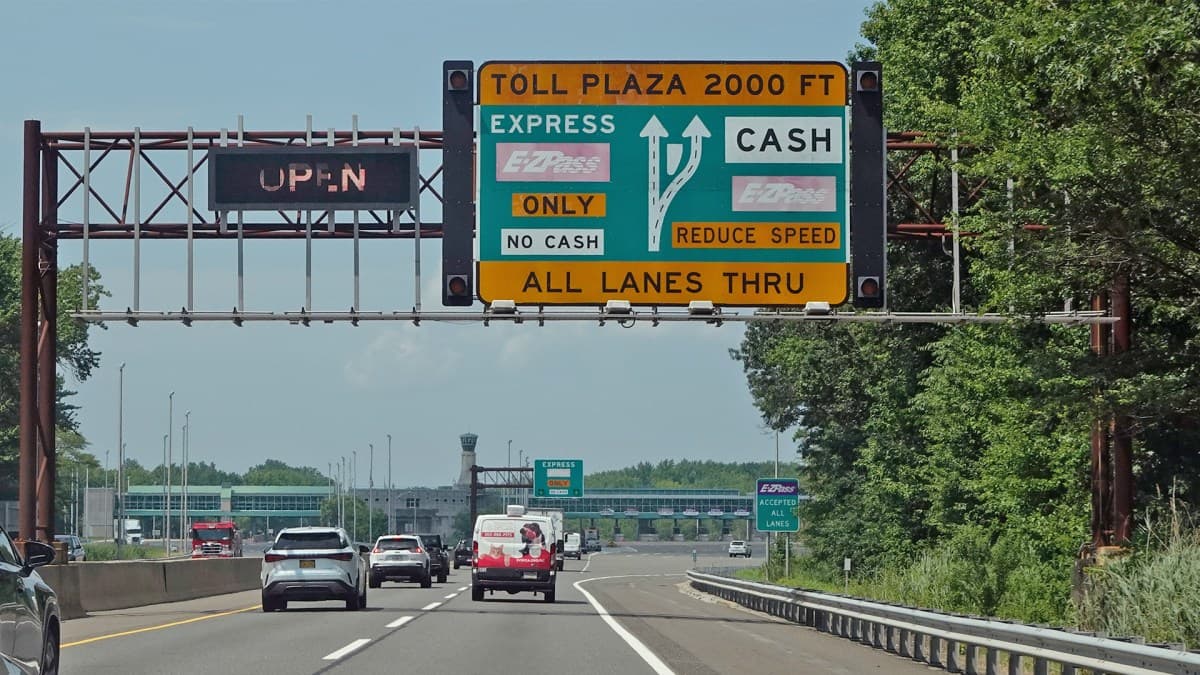
Trucker Finds Out Evading $22,000 in Tolls Is Enough to Catch a Grand Theft Charge
Why It Matters
The case signals that repeated toll evasion can trigger serious criminal charges, raising compliance costs for the trucking industry and reinforcing state efforts to protect infrastructure revenue. It also underscores the growing use of coordinated law‑enforcement and toll‑authority partnerships to deter fraud.
Key Takeaways
- •Truck driver indicted for $22K unpaid tolls, faces grand theft
- •Ohio Turnpike reports $5.2M in overdue tolls from 300 carriers
- •OSHP and OTIC partnership targets license‑plate fraud and toll evasion
- •Maximum Ohio grand‑theft penalty: 18 months prison, $10,000 fine
- •Full‑length Ohio Turnpike trip costs $156 without EZ‑Pass
Pulse Analysis
Toll evasion has long been a nuisance for highway operators, but the recent grand‑theft indictment in Ohio marks a turning point. By leveraging data‑sharing agreements and joint patrols, the Ohio State Highway Patrol and the Ohio Turnpike and Infrastructure Commission have moved from civil penalties to criminal prosecution for serial offenders. This escalation reflects the high stakes of lost revenue—over $5 million in unpaid tolls from just 300 trucking companies since April 2024— and the need to protect the financial foundation that funds road maintenance and upgrades.
For trucking firms, the message is clear: compliance is no longer optional. The $156 cost of a full‑length Ohio Turnpike trip without an EZ‑Pass may seem modest, yet repeated avoidance quickly balloons into tens of thousands of dollars, as illustrated by the driver who amassed nearly $22 K in unpaid tolls. Modern tolling technology, including transponder systems and automated license‑plate readers, makes evasion increasingly detectable. Companies that fail to equip fleets with proper electronic toll collection risk not only civil fines but also criminal charges that can lead to imprisonment and asset seizure.
The broader industry impact extends beyond Ohio. As more states adopt integrated enforcement models, the risk of criminal prosecution for toll fraud could become a national norm. This shift incentivizes investment in compliance infrastructure, such as fleet‑wide EZ‑Pass enrollment and rigorous driver training on toll policies. Ultimately, stronger deterrence protects infrastructure funding, improves road safety, and levels the playing field for carriers that adhere to the rules. Stakeholders should monitor legislative developments and consider proactive compliance strategies to avoid costly legal entanglements.
Trucker Finds Out Evading $22,000 in Tolls Is Enough to Catch a Grand Theft Charge
Comments
Want to join the conversation?
Loading comments...