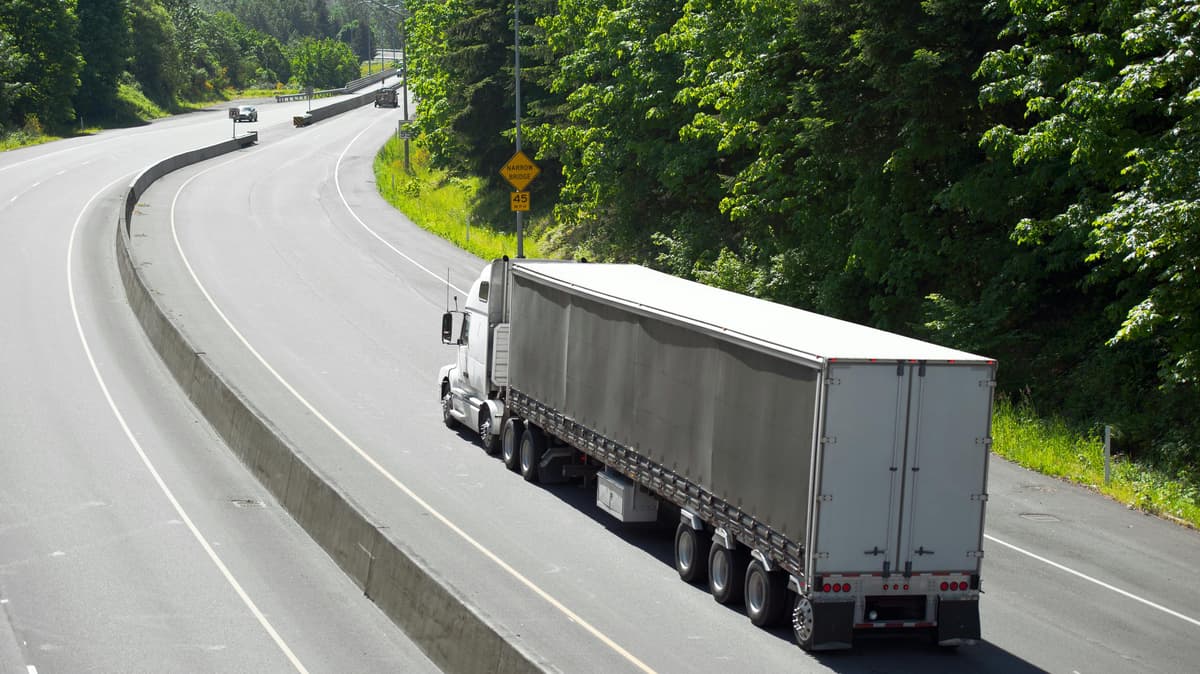
Trucking Profitability in 2026: Why Operational Discipline Drives Growth
Why It Matters
In a margin‑compressed environment, carriers that embed operational rigor into every decision can protect earnings and win long‑term shipper trust, reshaping competitive dynamics across the trucking industry.
Key Takeaways
- •Bid spreads tightened to 5‑10%, prompting fleets to reject low‑margin freight.
- •Lane‑level analytics enable pricing defense and smarter RFP negotiations.
- •Automation shifts dispatch tasks to machines, freeing staff for strategic decisions.
- •Workforce roles re‑engineered around task‑time measurement and exception handling.
- •Reliability, not price, becomes the primary differentiator for shipper trust.
Pulse Analysis
The trucking sector is confronting a prolonged period of margin pressure, forcing carriers to abandon the old playbook of chasing volume in a favorable market. Executives now treat profitability as an operational decision, scrutinizing each lane’s contribution to the profit and loss statement. By rightsizing fleets and rejecting low‑margin tenders, carriers are building a buffer against price volatility that has eroded traditional bid spreads, which have fallen from 15‑20% to roughly 5‑10%.
Data analytics and automation have become the linchpin of this new discipline. Advanced network models feed directly into request‑for‑proposal discussions, allowing carriers to demonstrate the economic logic behind their pricing and to showcase how specific lanes align with their optimized routes. Automation handles repetitive dispatch functions—tender acceptance, commitment entry, and routine reporting—freeing managers to focus on strategic judgment and exception handling. This human‑AI collaboration not only improves efficiency but also creates a quantifiable, defensible pricing narrative that resonates with shippers seeking reliability over short‑term rate cuts.
The ripple effect extends to the workforce and customer relationships. By measuring task‑level effort, firms can redesign roles such as dispatchers and customer service reps, aligning incentives with high‑value activities. Simultaneously, carriers that consistently deliver on time, maintain temperature controls, and honor capacity commitments build deeper trust, turning reliability into a competitive moat. As the market remains subdued, carriers that embed operational discipline into their DNA will capture the most profitable freight and set the standard for the next decade of trucking performance.
Trucking profitability in 2026: Why operational discipline drives growth
Comments
Want to join the conversation?
Loading comments...