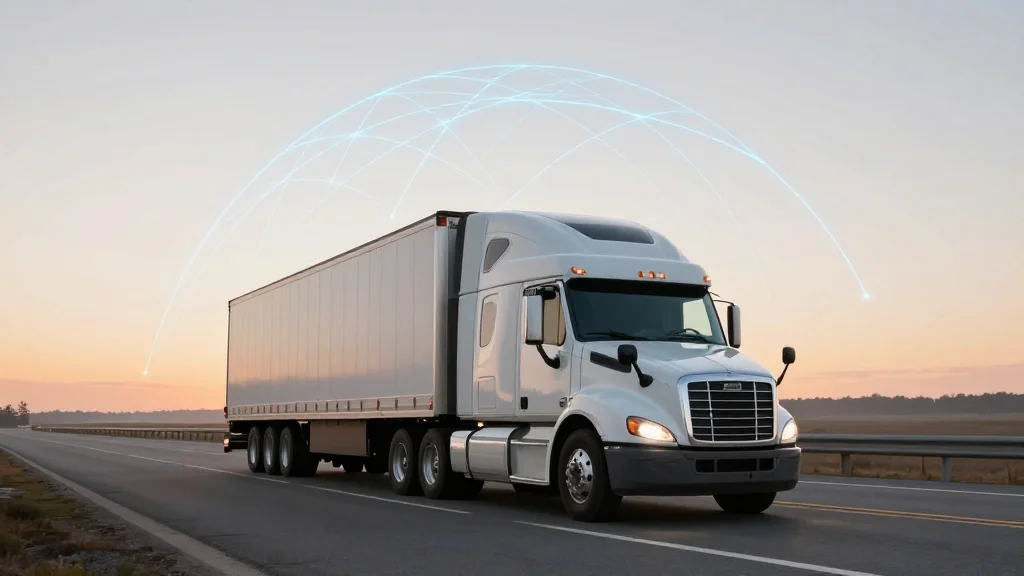
Trucks Are Empty One-Third of the Time. AI Can Fix That
Why It Matters
Reducing deadhead miles directly lowers freight expenses and delivery times, strengthening retailers' competitiveness in a fast‑moving e‑commerce environment while supporting ESG objectives.
Key Takeaways
- •One‑third of U.S. truck miles run empty, costing $1 trillion annually
- •AI‑driven orchestration layers eliminate contract negotiations, enabling real‑time load matching
- •Pilot programs in India cut empty‑mile rates from 30% to 10%
- •Reduced empty miles lower freight rates, speed up returns, improve inventory reliability
- •Retailers gain competitive edge as e‑commerce demand and returns surge
Pulse Analysis
The logistics network that moves retail goods across the United States has long suffered from a structural inefficiency known as the empty‑mile problem. Roughly one in three truck miles are traveled without cargo, translating into about $1 trillion of wasted freight expenses each year and a comparable carbon footprint. The issue is amplified by fragmented carrier relationships, regional silos, and a legacy focus on local optimization rather than system‑wide coordination. As e‑commerce volumes and return rates climb, the cost of idle mileage becomes a strategic liability for retailers.
Artificial intelligence is reshaping that landscape by introducing a neutral orchestration layer that aggregates real‑time capacity, demand signals, and route data from multiple shippers. Machine‑learning algorithms can predict load gaps, dynamically reassign trucks, and schedule round‑trips that serve both outbound deliveries and inbound returns, all without renegotiating contracts. Early deployments in India demonstrated a drop in empty‑mile ratios from roughly 30 percent to 10 percent, delivering immediate savings and freeing assets for additional shipments. The technology scales because it replaces manual negotiations with automated, data‑driven decision making.
For retailers, the ripple effects are profound. Lower freight costs improve margin elasticity, while faster, more reliable delivery and return cycles strengthen customer satisfaction in a market where brand loyalty is fleeting. Moreover, reducing deadhead miles cuts emissions, aligning supply‑chain strategies with ESG goals that investors increasingly demand. As AI‑powered platforms mature, we can expect broader industry adoption, tighter integration with warehouse management systems, and a shift toward a truly collaborative freight ecosystem that turns empty miles into revenue‑generating opportunities.
Trucks Are Empty One-Third of the Time. AI Can Fix That
Comments
Want to join the conversation?
Loading comments...