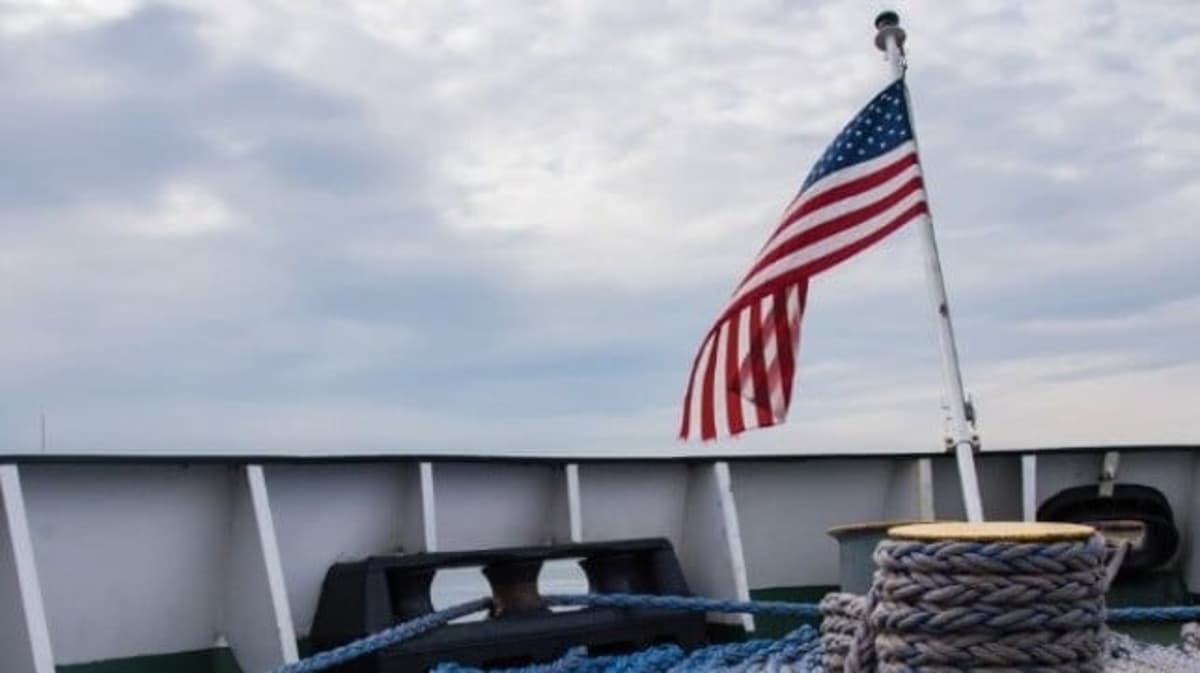
Trump Administration Extends Jones Act Waiver for Another 90 Days
Companies Mentioned
Why It Matters
Extending the waiver could reshape U.S. maritime logistics, reducing costs for energy markets while undermining the domestic shipbuilding sector and related employment. The decision reflects a trade‑off between short‑term energy security and long‑term maritime policy goals.
Key Takeaways
- •40 foreign‑flagged vessels have operated in U.S. coastwise trade
- •Waiver helps California receive gasoline and Alaska jet fuel via foreign tankers
- •Shipowners warn waiver threatens U.S. maritime jobs and domestic fleet
- •Phillips 66 used foreign tanker for crude transport to Pennsylvania refinery
- •Extension could become permanent if Iranian threat persists
Pulse Analysis
The Jones Act, enacted in 1920, mandates that goods shipped between U.S. ports travel on U.S.-built, U.S.-owned, and U.S.-crewed vessels. Historically, the law has protected a niche domestic fleet but also added cost layers to coastal trade. In early 2024, the Trump administration granted a 60‑day waiver to alleviate supply‑chain strain in the petroleum market, citing tight foreign tanker availability and rising fuel prices driven by geopolitical tensions with Iran. By allowing foreign‑flagged ships to operate coastwise, the waiver opened a temporary conduit for cheaper, readily available tonnage, a move that quickly attracted interest from energy firms seeking to sidestep the higher rates of U.S.-registered vessels.
Since the waiver’s rollout, roughly 40 foreign‑flagged tankers have delivered refined products to California and jet fuel to Alaska, demonstrating immediate market benefits. Notably, Phillips 66 chartered a Malta‑flagged crude tanker to move oil from the Gulf Coast to a Pennsylvania refinery—an unprecedented use of foreign tonnage for inland crude transport. These activities have helped stabilize regional fuel supplies amid volatile global oil prices, offering a pragmatic solution for distributors facing a constrained domestic fleet. However, the reliance on foreign operators also raises concerns about long‑term competitiveness of U.S. shipyards and the labor base that underpins the maritime sector.
Industry stakeholders, led by the American Maritime Partnership, argue that extending the waiver threatens thousands of U.S. maritime jobs and erodes the strategic intent of the Jones Act to preserve American shipbuilding capabilities. Politically, the waiver’s continuation is tied to the perceived Iranian threat; as long as that risk persists, the administration may justify further exemptions. The debate now centers on balancing short‑term energy security against the broader goal of restoring American maritime dominance, a tension that will shape policy decisions in the coming months.
Trump Administration Extends Jones Act Waiver for Another 90 Days
Comments
Want to join the conversation?
Loading comments...