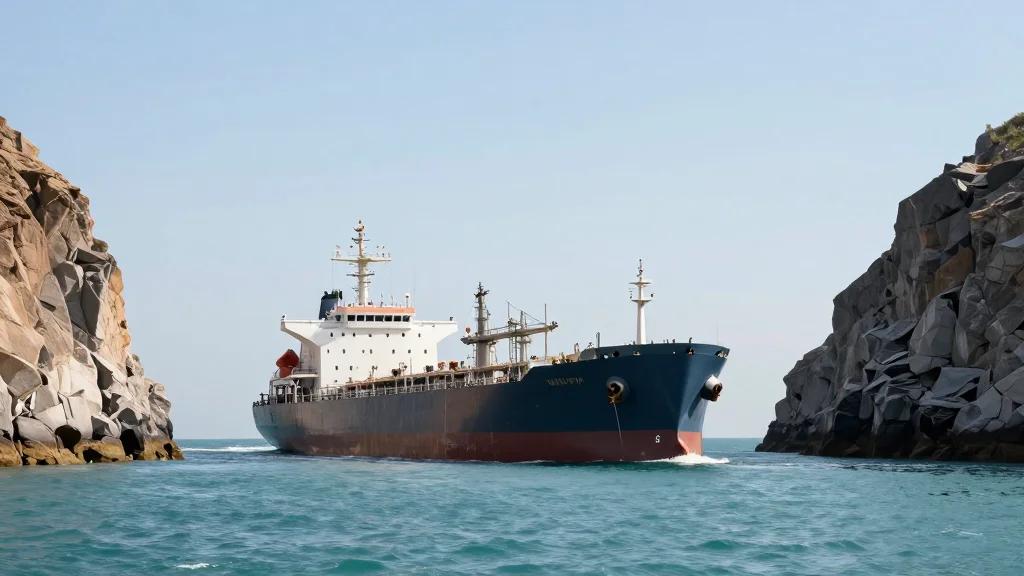
Trump Halts ‘Project Freedom’ Shipping Aid in Strait of Hormuz Amid Iran Talks

Why It Matters
The Strait of Hormuz is a linchpin of global energy logistics; a pause in U.S. efforts to restore commercial navigation heightens uncertainty for oil‑dependent economies and could trigger price spikes. Moreover, the decision illustrates how geopolitical bargaining—here, a potential Iran peace deal—directly shapes maritime security operations, setting a precedent for future conflict‑resolution strategies in contested waterways. For the shipping industry, the pause underscores the fragility of insurance coverage and the importance of state‑backed escort services in high‑risk zones. A prolonged disruption would force carriers to seek longer, costlier routes, reshaping trade patterns and potentially accelerating investments in alternative energy transport methods.
Key Takeaways
- •Trump pauses "Project Freedom" after only two transits, keeping the naval blockade active
- •Operation aimed to guide >1,500 vessels and 22,500 mariners out of the Gulf
- •Decision follows diplomatic progress with Iran and a request from Pakistan
- •Strait of Hormuz carries ~20% of global oil shipments; disruption could add $1‑$2 per barrel to Brent
- •Insurance war‑risk premiums have risen, and many carriers have already withdrawn service
Pulse Analysis
The Trump administration’s abrupt halt to Project Freedom reflects a classic trade‑off between diplomatic leverage and operational risk. By keeping the blockade while suspending the escort mission, Washington signals that it will not relinquish strategic pressure on Tehran, yet it is willing to de‑escalate visible military involvement when a diplomatic opening appears. This calibrated approach mirrors Cold War‑era practices where superpowers used selective force to shape negotiations without fully committing to open conflict.
From a market perspective, the pause injects volatility into an already jittery oil market. Traders will likely price in a risk premium for any further delays in restoring free flow, especially as OPEC+ production decisions remain sensitive to Gulf tensions. The ripple effect extends to freight indices; container and tanker rates could see a short‑term surge as shippers scramble for alternative routes or secure scarce capacity on the few vessels still permitted to transit.
Looking ahead, the durability of the pause hinges on the pace and substance of the Iran talks. A swift, verifiable agreement could allow the U.S. to re‑launch a scaled‑down escort program under a multilateral framework, potentially involving regional navies and commercial insurers. Conversely, a stalled negotiation may push the United States to consider a more permanent naval presence, which would further entrench the strait as a geopolitical flashpoint. Stakeholders across the energy value chain should therefore monitor diplomatic signals as closely as military movements.
Trump Halts ‘Project Freedom’ Shipping Aid in Strait of Hormuz Amid Iran Talks
Comments
Want to join the conversation?
Loading comments...