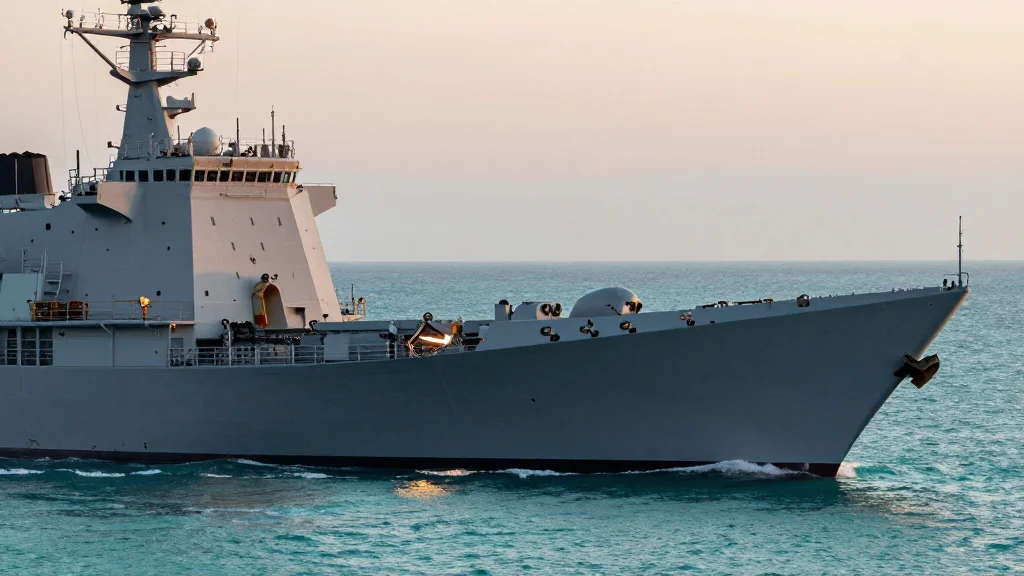
Trump Orders US Navy to Seize Iranian Cargo Ship, Escalating Strait of Hormuz Tensions

Why It Matters
The Strait of Hormuz is a linchpin of global energy logistics; any disruption reverberates through oil markets, freight rates, and the cost of goods worldwide. By seizing an Iranian cargo ship, the United States has not only intensified a geopolitical standoff but also introduced a tangible risk to the free flow of petroleum and LNG. Shipping companies must now factor heightened security costs and potential rerouting into their operational budgets, while governments grapple with the legal and humanitarian implications of targeting civilian‑laden vessels. Beyond immediate trade effects, the incident could reshape naval doctrine in contested waterways. A precedent of direct ship interdiction may embolden other powers to assert control over strategic chokepoints, potentially fragmenting the rules‑based order that underpins international maritime commerce. The outcome of upcoming talks in Islamabad will therefore influence not just US‑Iran relations but also the broader stability of global supply chains.
Key Takeaways
- •US Navy seized Iranian‑flagged cargo ship Touska, disabling its engine room
- •Trump warned the US would "knock out" Iranian bridges and power plants if a deal isn’t reached
- •Strait of Hormuz carries roughly 20% of world oil and LNG, making the blockade a major trade risk
- •Iran’s Revolutionary Guard dispatched drones in retaliation; diplomatic talks in Islamabad remain stalled
- •Shipping insurers have raised premiums for vessels transiting the Gulf, adding cost pressures to global freight
Pulse Analysis
The seizure of Touska marks a decisive shift from diplomatic pressure to kinetic enforcement in the US‑Iran standoff. Historically, the United States has relied on sanctions and diplomatic isolation to curb Tehran’s nuclear ambitions; now it is leveraging naval power to directly disrupt Iran’s commercial lifelines. This escalation mirrors Cold War‑era brinkmanship, where control of strategic waterways was used as leverage. The move also reflects President Trump’s broader strategy of coupling high‑stakes threats with offers of ‘reasonable deals,’ a pattern that has repeatedly destabilized markets.
From a market perspective, the immediate impact is a spike in oil futures and a widening of the spread between Brent and U.S. crude, as traders price in the risk of a prolonged Hormuz shutdown. Shipping firms are scrambling to adjust itineraries, with some opting for the longer Cape route despite higher fuel consumption. In the longer term, sustained US interdiction could accelerate the diversification of energy supply chains, prompting buyers to lock in longer‑term contracts with non‑Middle‑East producers or to invest in strategic petroleum reserves.
Strategically, the incident forces regional actors to reassess their naval postures. Saudi Arabia and the United Arab Emirates have already signaled readiness to support US operations, while Iran may look to bolster its own asymmetric capabilities, such as fast‑attack craft and anti‑ship missiles, to deter future seizures. The interplay between hard power and diplomatic outreach in the coming weeks will determine whether the Strait remains a contested flashpoint or reverts to a more predictable conduit for global trade.
Trump Orders US Navy to Seize Iranian Cargo Ship, Escalating Strait of Hormuz Tensions
Comments
Want to join the conversation?
Loading comments...