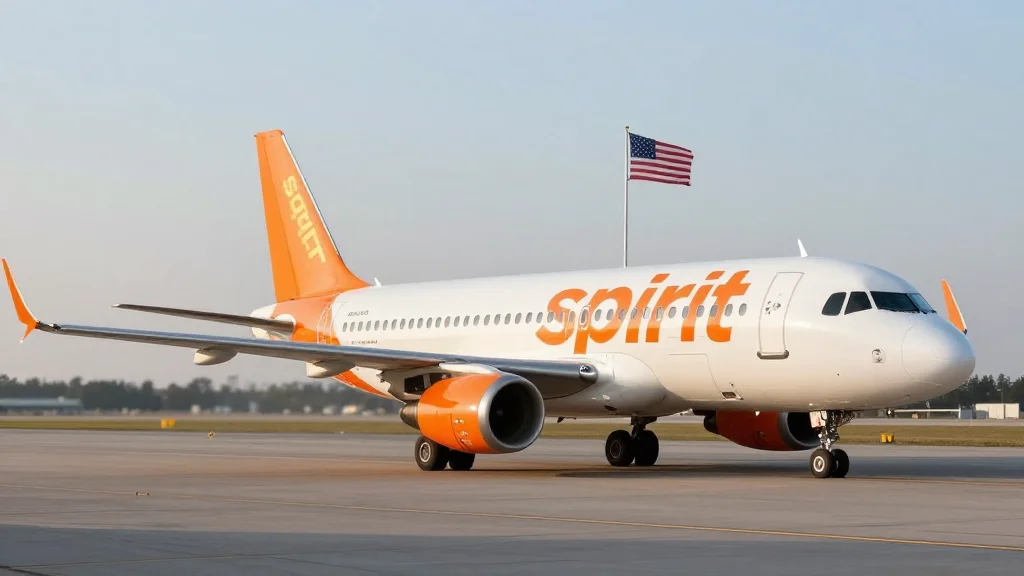
Trump Says He's Still Considering Deal for Spirit Airlines
Companies Mentioned
Why It Matters
A potential $500 million bailout could keep Spirit afloat, preserving jobs and preventing further disruption in the U.S. airline market, while also setting a precedent for government intervention in private carrier distress.
Key Takeaways
- •Trump signals possible $500M rescue for Spirit Airlines
- •Spirit faces shutdown as cash dwindles amid soaring fuel costs
- •Deal would grant government up to 90% equity via warrants
- •Creditors oppose plan, fearing lower recovery than liquidation
- •Republican lawmakers resist taxpayer-funded bailout of struggling carrier
Pulse Analysis
Spirit Airlines, once a low‑cost staple, is now teetering on the edge of collapse as fuel prices surge and cash reserves evaporate. The carrier’s liquidity strain reflects broader industry pressures, where volatile jet fuel costs and thin margins have forced several airlines to renegotiate financing or cut routes. For Spirit, the situation is acute: without an infusion of capital, the airline risks grounding flights, triggering a cascade of job losses and disrupting travel options for price‑sensitive consumers.
The White House’s tentative rescue package centers on a $500 million federal loan tied to warrants that could translate into roughly 90% ownership of Spirit. Such a structure mirrors past bailouts where the government trades cash for equity stakes, aiming to protect taxpayers while giving the agency a say in restructuring. However, creditors argue the deal would subordinate their claims, potentially delivering less than a straight liquidation. Meanwhile, Republican lawmakers caution against using public funds to prop up a private carrier, citing fiscal responsibility and moral hazard concerns.
If approved, the bailout would have ripple effects across the airline sector. It could stabilize a key player in the ultra‑low‑cost niche, preserving competitive pricing for travelers and safeguarding thousands of jobs. Conversely, it may embolden other distressed carriers to seek similar aid, prompting debates over the appropriate scope of government involvement in commercial aviation. Market observers will watch closely for the final terms, as the outcome will shape both Spirit’s fate and the broader narrative on public‑private rescue mechanisms in the transportation industry.
Trump Says He's Still Considering Deal for Spirit Airlines
Comments
Want to join the conversation?
Loading comments...