Trump Tariffs Steer Brazilian Timber From the US to Mexico
Why It Matters
The tariff‑driven shift reshapes Brazil’s lumber supply chain, boosting Mexico’s role and diversifying North American sourcing. It signals how trade policy can rapidly rewire commodity flows and affect regional logistics hubs.
Key Takeaways
- •Timber exports to Mexico rose 33% Q1 2026, overtaking US.
- •Total North American shipments hit 231,900 tonnes, timber largest commodity.
- •US tariffs on Brazilian timber prompted exporters to reroute volumes to Mexico.
- •Beef and paper shipments grew; Canada showed fastest export increase.
Pulse Analysis
The United States’ recent 25% tariff on Brazilian timber, a legacy of the Trump administration’s trade agenda, has forced Brazilian exporters to seek alternative markets. By targeting a sector that traditionally fed U.S. construction and furniture manufacturers, the duty created an immediate cost gap that Mexican importers could fill, especially given their proximity and existing trade agreements. This policy shock illustrates how abrupt tariff measures can redirect global commodity streams within a single quarter, reshaping competitive dynamics across North America.
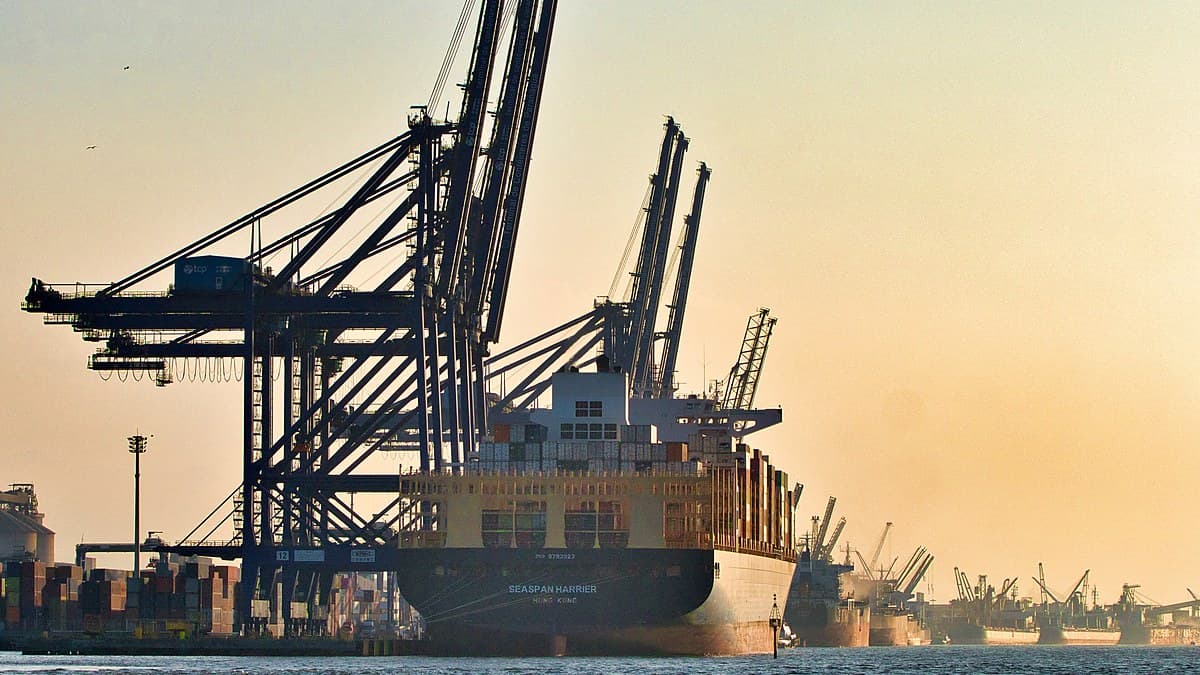
Paranaguá’s container terminal, Brazil’s largest gateway for southern and southeastern cargo, proved resilient amid the turbulence. Handling over 1.1 million tonnes of North American trade in 2025, the facility leveraged its six regular sailings and extensive reefer capacity to keep Brazilian products price‑competitive. Timber remained the dominant export, but the terminal also recorded notable increases in beef, paper, and even pork shipments. Canada’s near‑doubling of timber volumes, though still modest in absolute terms, underscores the terminal’s ability to capture emerging demand across the continent.
For industry observers, the rapid reallocation highlights a broader lesson: supply chains anchored to a single large market are vulnerable to policy swings. Mexican buyers now enjoy a steadier flow of Brazilian timber, potentially lowering local prices and stimulating downstream manufacturing. Meanwhile, U.S. importers may need to diversify sources or absorb higher costs, prompting a reassessment of long‑term procurement strategies. As trade tensions ease or intensify, the Paranaguá hub will likely continue to serve as a barometer for Brazil’s export adaptability in a shifting geopolitical landscape.
Trump Tariffs Steer Brazilian Timber From the US to Mexico
Comments
Want to join the conversation?
Loading comments...