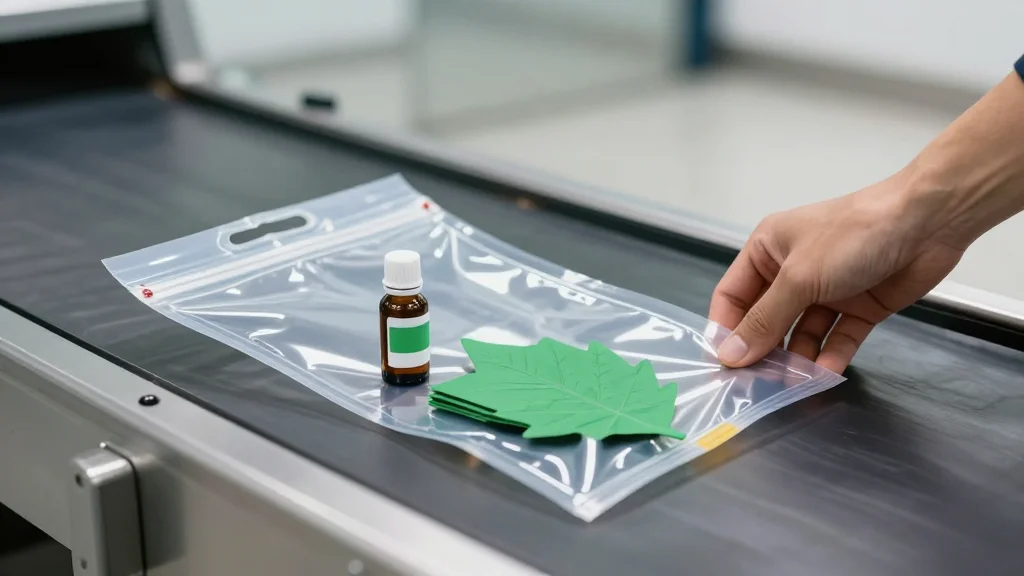
TSA Updates Medical Marijuana Rules, Warns Passengers of Health Risks

Why It Matters
The TSA’s rule change directly affects millions of U.S. air travelers who rely on medical cannabis, creating a clearer path for transporting medication while reinforcing safety protocols. By highlighting cardiovascular risks at altitude, the agency signals a public‑health dimension that airlines and health providers must address. The guidance also underscores the fragmented legal landscape, where federal security screening coexists with state‑level medical‑marijuana regimes, potentially prompting future harmonization efforts. For the aviation sector, the update forces carriers to balance strict in‑flight prohibitions with the growing expectation of passenger accommodation. Airlines may need to train staff on the nuances of the new TSA language, adjust signage, and coordinate with law‑enforcement partners to avoid costly disruptions. The policy could set a precedent for how other federally regulated transport modes handle emerging therapeutic substances.
Key Takeaways
- •TSA now permits medical marijuana in carry‑on and checked bags, but bans in‑flight use.
- •Professor Rob Mejia warns that altitude can exacerbate cannabis‑induced heart strain.
- •Airlines maintain strict no‑use policies; agents can refer suspicious items to law enforcement.
- •Travelers must ensure medication is labeled, professionally packaged, and compliant with state laws.
- •International travel with cannabis remains prohibited, regardless of U.S. state regulations.
Pulse Analysis
The TSA’s decision reflects a pragmatic shift toward accommodating a growing patient demographic while preserving its core security mission. Historically, federal agencies have taken a hard‑line stance on any substance that could be construed as a security threat. By separating the act of transport from consumption, the TSA acknowledges the medical legitimacy of cannabis without compromising its screening responsibilities.
From a market perspective, the clarification could reduce friction for airlines that have faced passenger complaints over confiscated medication. However, the health warning introduces a new liability angle; airlines may need to update passenger briefings and crew training to mitigate potential cardiac events linked to in‑flight cannabis use. This dual focus on access and safety may spur industry groups to lobby for standardized, evidence‑based guidelines that reconcile medical needs with operational risk.
Looking forward, the pilot nature of the guidance suggests the TSA will collect data on incident rates and health outcomes. If the data show minimal adverse events, we could see a gradual easing of restrictions, perhaps extending to limited in‑flight consumption under controlled conditions. Conversely, any high‑profile medical incidents could trigger a rollback, reinforcing a zero‑tolerance stance. Stakeholders should monitor TSA reports and airline policy updates closely, as the balance between patient rights and flight safety will shape the next chapter of cannabis travel regulation.
TSA Updates Medical Marijuana Rules, Warns Passengers of Health Risks
Comments
Want to join the conversation?
Loading comments...