Tsars and Their Cars: When World Leaders First Took the Wheel
Companies Mentioned

Why It Matters
By publicly adopting cars, world leaders turned automobiles into symbols of power and progress, accelerating demand and brand prestige for early manufacturers.
Key Takeaways
- •1907 US president's first official car was a steam‑powered Pullman.
- •Sultan Abdulhamid II of Turkey chose a British electric dogcart in 1890s.
- •Afghan emir Habibullah Khan ordered £30,000 (≈$3.1 million) of British cars in 1907.
- •Tsar Nicholas II owned a Rolls‑Royce with tracks and skis before 1917.
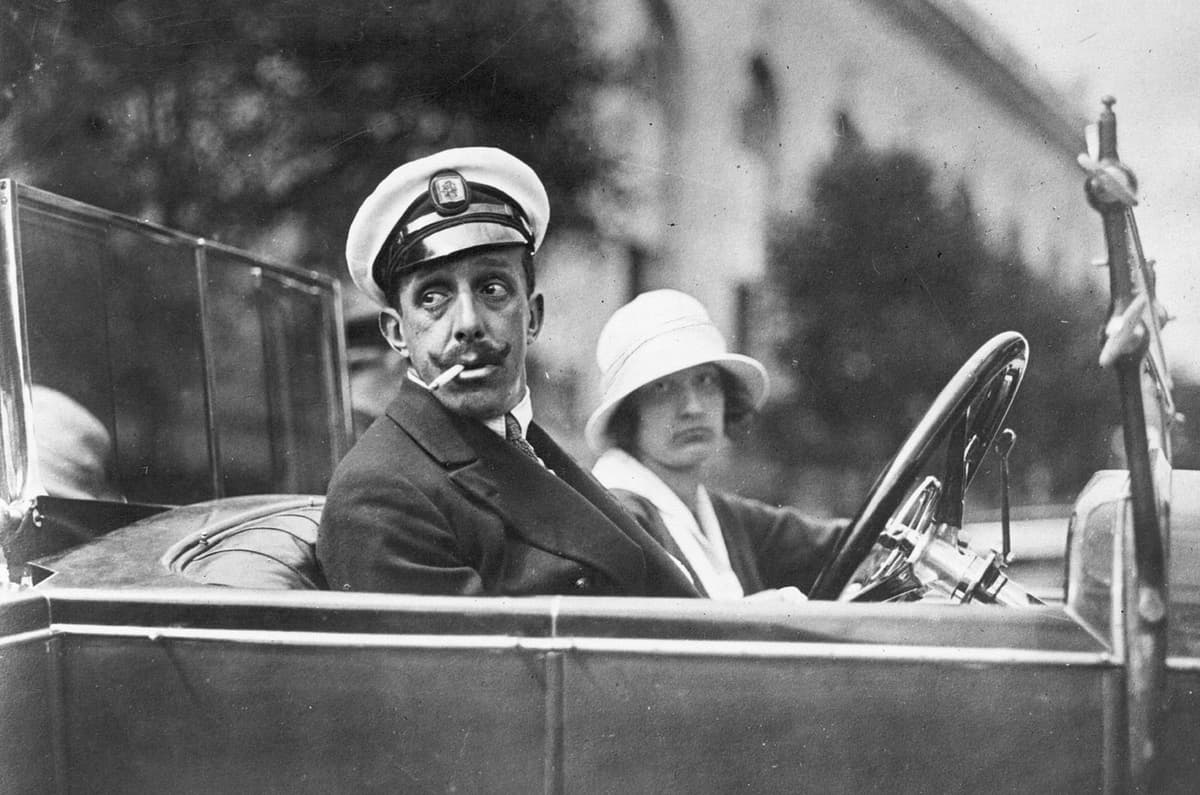
- •King Alfonso XIII of Spain drove cars and raced at Brooklands.
Pulse Analysis
Early 20th‑century leaders were among the first to treat the automobile as a status instrument. In the United States, William Taft’s 1907 purchase of steam‑powered Pullman tourers marked the federal government’s entry into motor transport, while the Ottoman sultan’s British electric dogcart and the Afghan emir’s £30,000 order (about $3.1 million today) demonstrated how royalty used cutting‑edge vehicles to signal modernity and geopolitical alignment.
These high‑profile adoptions gave fledgling carmakers powerful validation. Manufacturers such as Wolseley, Rolls‑Royce, and Mercedes leveraged royal patronage in advertising, positioning their products as the choice of emperors and kings. The Tsar’s tracked Rolls‑Royce and King Alfonso XIII’s participation in Brooklands races illustrated how bespoke engineering and motorsport involvement were used to showcase technical prowess, driving consumer demand across Europe and beyond.
The legacy of these early endorsements persists in today’s state limousines and official electric fleets. Modern leaders continue the tradition, opting for armored, hybrid, or fully electric vehicles that blend security with sustainability, reinforcing national branding while shaping automotive market trends. The historical link between political power and automotive innovation underscores how government procurement can accelerate technology adoption and cement a manufacturer’s prestige for generations.
Tsars and their cars: When world leaders first took the wheel
Comments
Want to join the conversation?
Loading comments...