Tube Strikes: How Disruptive Will Action by London Underground Drivers Be?
Why It Matters
The strike disrupts millions of daily commuters, eroding productivity and pressuring TfL’s finances while highlighting broader tensions over flexible work schedules in the UK transport sector.
Key Takeaways
- •Half of tube drivers belong to RMT, joining strike
- •Piccadilly, Waterloo & City, Circle lines face full shutdown
- •Overground, Elizabeth line, DLR, buses remain operational but crowded
- •TfL proposes voluntary four‑day week, RMT demands 32‑hour week
- •Potential May and June strikes loom if dispute persists
Pulse Analysis
The London Underground strike, scheduled for two 24‑hour blocks on Tuesday and Thursday, will cripple the city’s core transit network. With nearly half of the driver workforce walking out, key central lines such as Piccadilly, Waterloo & City, and Circle are expected to run no trains at all, while remaining services will truncate after 8 pm. Commuters are being redirected to the Overground, national rail, the Elizabeth line, DLR and bus routes, all of which will operate at capacity, prompting a surge in walking, cycling and e‑bike hires that mirrored the September 2025 strike pattern.
At the heart of the industrial action is a clash over working patterns. TfL’s proposal for a voluntary four‑day week aims to align tube drivers with other UK rail operators, offering flexibility without cutting contractual hours. The RMT, however, insists on a 32‑hour week—essentially a 32‑hour reduction—arguing that the current offer fails to address wage and workload concerns. The Aslef union backs the voluntary model, highlighting a broader split among transport unions that could reshape future labor negotiations across the public sector.
Beyond commuter inconvenience, the strike threatens significant economic fallout. Prolonged delays can cost London businesses billions in lost productivity, while the strain on alternative services may accelerate a shift toward sustainable travel modes. TfL faces a delicate balancing act: maintaining service reliability, managing fiscal pressures, and navigating union demands. If negotiations stall, the looming May and June strikes could compound the disruption, underscoring the urgency for a negotiated settlement that reconciles operational needs with workforce expectations.
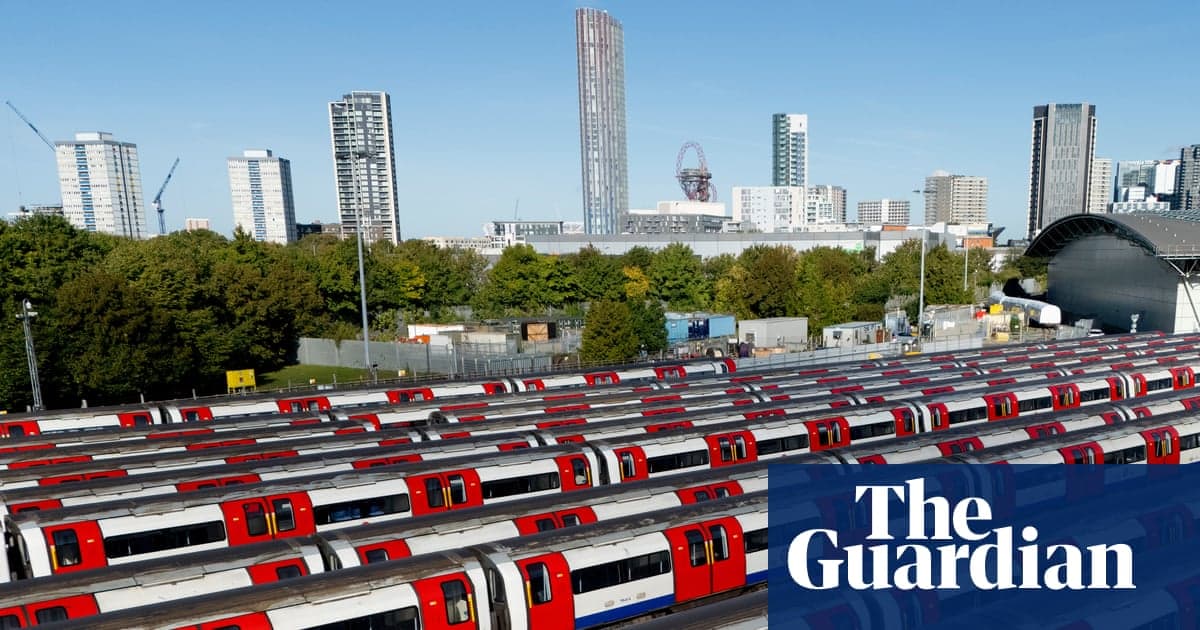
Tube strikes: how disruptive will action by London Underground drivers be?
Comments
Want to join the conversation?
Loading comments...