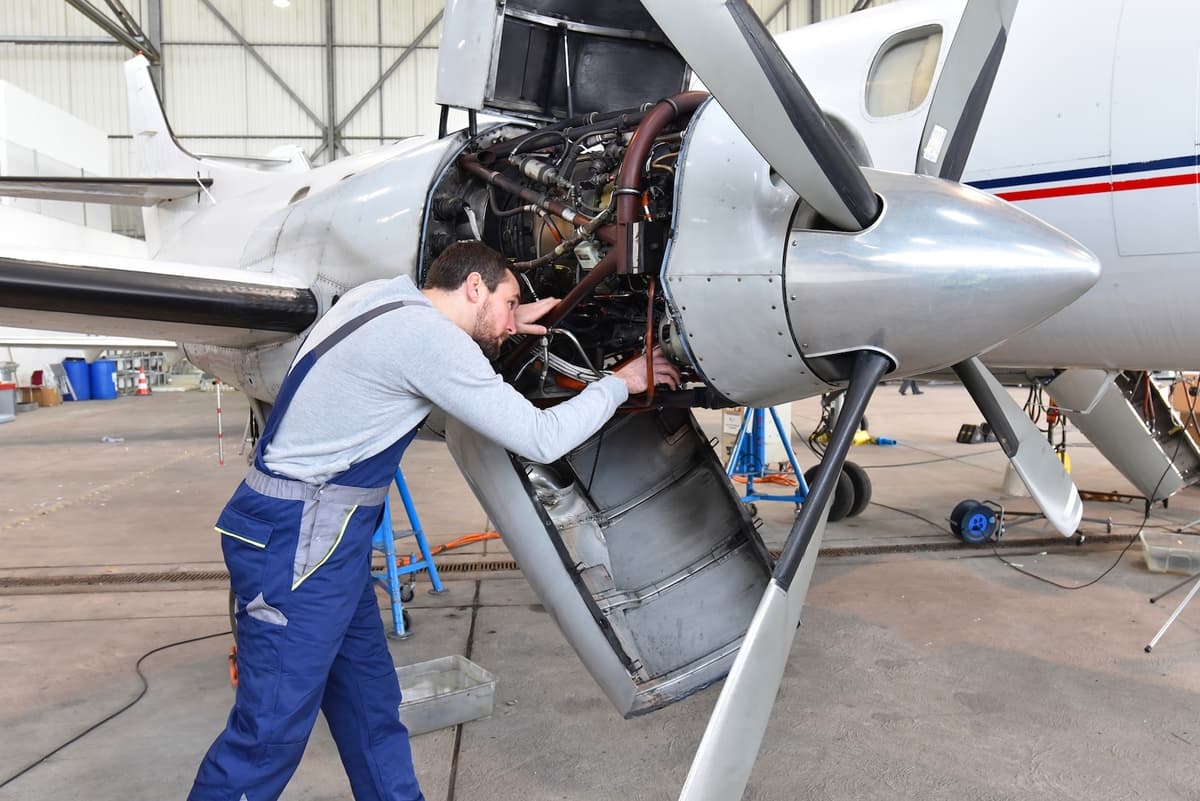
Tuition-Free A&P Program For High School Students Coming to Michigan
•March 3, 2026
0
Companies Mentioned

Why It Matters
The initiative directly addresses the national aviation mechanic shortage while providing low‑income Michigan youth a cost‑free pathway to a high‑paying trade, strengthening both local economies and the broader aviation supply chain.
Key Takeaways
- •Tuition‑free A&P program for 30 high school students.
- •$300k state aid sought; $500k federal grant secured.
- •Program starts September 2027, 13‑month curriculum.
- •Adult tuition $30k funds nonprofit sustainability.
- •Addresses projected 10% aviation mechanic shortage.
Pulse Analysis
The United States faces a looming shortage of certified aircraft mechanics, with industry analysts estimating a shortfall equivalent to roughly ten percent of commercial aviation demand. Fleet expansion, accelerated retirements, and tighter regulatory standards have intensified competition for qualified technicians. This gap threatens airline schedules, maintenance reliability, and overall safety margins. As a result, policymakers and aviation groups are prioritizing education pipelines that can quickly scale skilled labor. The shortage also creates a premium on wages, making the trade an attractive, high‑paying option for new entrants.
Jackson County Airport‑Reynolds Field in southern Michigan is responding with a 13‑month, tuition‑free Airframe and Powerplant (A&P) program aimed at local high‑school juniors and seniors. Backed by a $500,000 federal award and a $300,000 request for state funds, the school will launch in September 2027 with an inaugural cohort of 30 students. While high‑school participants incur no cost, adult learners will pay $30,000, generating revenue to sustain the nonprofit’s operations. The curriculum blends classroom theory with hands‑on maintenance projects, positioning graduates for immediate employment at regional airlines and MRO facilities.
The initiative promises a dual benefit: it equips low‑income Michigan youth with a pathway to a well‑compensated technical career, and it supplies the broader aviation sector with a steady stream of certified mechanics. By anchoring the program in a community airport, the model leverages existing infrastructure and fosters local economic development. If successful, the tuition‑free framework could be replicated in other underserved regions, helping to alleviate the national mechanic deficit. Stakeholders—from airlines to aircraft manufacturers—stand to gain from a more resilient, home‑grown maintenance workforce.
Tuition-Free A&P Program For High School Students Coming to Michigan
0
Comments
Want to join the conversation?
Loading comments...