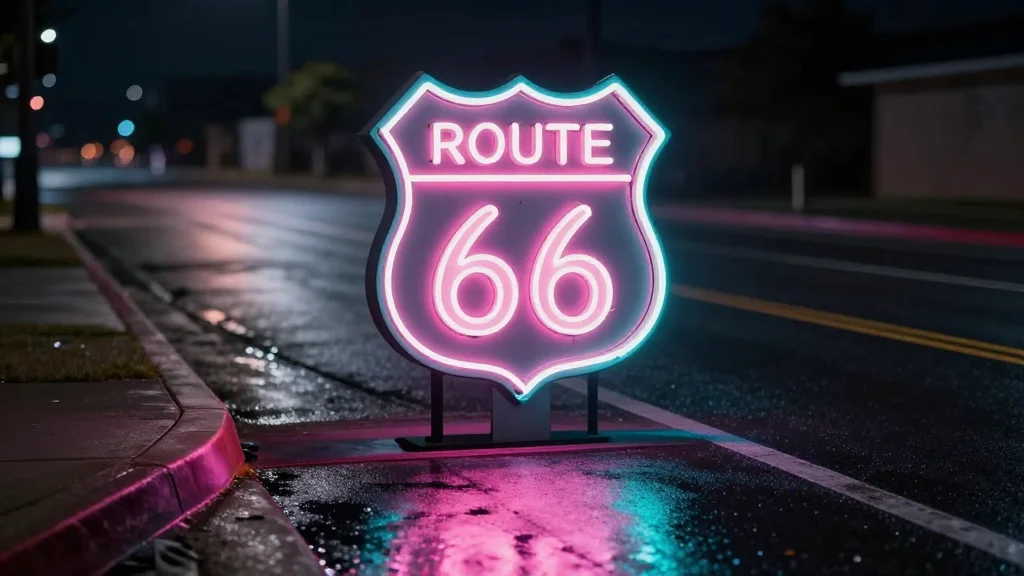
Tulsa Lights Up Route 66 with 84 Neon Signs for Centennial Celebration

Companies Mentioned
Why It Matters
The neon‑sign grant transforms a decaying segment of Route 66 into a vibrant, marketable attraction, directly linking heritage preservation with economic development. By leveraging nostalgia and visual appeal, Tulsa demonstrates how targeted public‑private incentives can revitalize historic corridors, attract tourism dollars, and foster community pride. The initiative also offers a replicable model for other towns along decommissioned highways seeking to turn cultural assets into growth engines. Beyond immediate tourism gains, the project underscores a broader shift in transportation‑related urban planning: the recognition that legacy routes can serve as cultural corridors, not just relics. As cities grapple with aging infrastructure, Tulsa’s neon strategy illustrates how aesthetic upgrades and grant‑based incentives can re‑energize underutilized assets, creating new revenue streams while preserving historical identity.
Key Takeaways
- •84 neon signs installed along Tulsa’s 28‑mile Route 66 stretch
- •More than 85% of the original pavement remains drivable
- •Matching‑grant program funded by Tulsa Route 66 Commission
- •Local businesses report increased foot traffic and social‑media buzz
- •Next phase includes a grant to restore building facades
Pulse Analysis
Tulsa’s neon‑sign grant is a textbook case of place‑based branding intersecting with infrastructure legacy. By converting a functional roadway into a visual spectacle, the city taps into the growing heritage‑tourism market, which has outpaced traditional leisure travel in recent years. The grant’s matching structure lowers the financial barrier for small businesses, ensuring that the aesthetic upgrade is widely distributed rather than concentrated in a few flagship locations. This democratization of investment can create a network effect: each new sign not only draws drivers but also amplifies the visibility of neighboring establishments, fostering a cumulative increase in dwell time and spend.
Historically, decommissioned highways have struggled to find new relevance, often becoming economic dead zones. Tulsa’s approach flips that narrative by treating the corridor as a cultural asset, leveraging nostalgia to generate contemporary economic value. The 84‑sign milestone provides a tangible metric for success, but the real test will be the sustainability of visitor numbers once the centennial hype fades. If the forthcoming façade‑restoration grant can maintain the visual cohesion and improve the pedestrian experience, the corridor could evolve into a permanent tourism loop rather than a one‑off celebration.
From a policy perspective, the initiative illustrates how modest public funding—paired with clear branding objectives—can catalyze private sector participation. Other municipalities along the former Route 66, and indeed across the nation’s aging road network, may look to Tulsa’s model as a template for turning historic transportation corridors into economic engines, blending preservation with modern marketing tactics to attract the next generation of travelers.
Tulsa Lights Up Route 66 with 84 Neon Signs for Centennial Celebration
Comments
Want to join the conversation?
Loading comments...