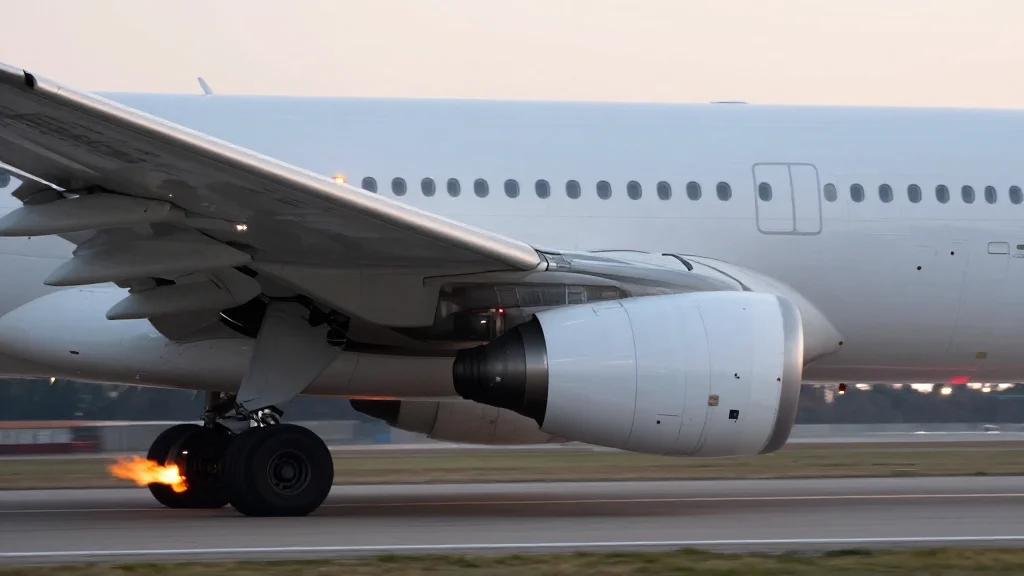
Turkish Airlines Plane Evacuated Due to Tyre Fire After Landing in Kathmandu
Why It Matters
The event highlights the importance of rapid emergency response at high‑altitude airports and may trigger regulatory reviews that affect Turkish Airlines’ operational reliability in the region.
Key Takeaways
- •277 passengers and 11 crew evacuated safely after tyre fire.
- •Fire originated in right rear tyre of Airbus A330 on landing.
- •Kathmandu airport closed for about one hour for emergency response.
- •Aircraft was towed, fire extinguished, and remains grounded pending inspection.
- •No injuries reported; Turkish Airlines yet to comment.
Pulse Analysis
The tyre fire on the Turkish Airlines A330 underscores how quickly a routine landing can become a safety incident, especially at high‑altitude airports like Kathmandu’s Tribhuvan International. Airport emergency crews activated fire‑suppression systems within minutes, evacuating all occupants through the aircraft’s emergency exits. The rapid containment prevented the blaze from spreading to the fuselage or fuel tanks, allowing the runway to reopen after roughly an hour of clearance work. Such swift action reflects well‑drilled protocols that are essential in regions where terrain and weather can complicate rescue operations.
For Turkish Airlines, the grounding of the aircraft adds a short‑term capacity strain on its Istanbul‑Kathmandu route, a key long‑haul service linking Europe and South Asia. While the airline has not publicly responded, regulators in Nepal and Turkey are likely to launch investigations into tyre maintenance records and landing procedures. Any findings of procedural lapses could lead to mandatory inspections of similar fleet types, potentially affecting scheduling and revenue. The incident also serves as a reminder for airlines to review tyre pressure monitoring and replacement cycles, especially when operating in airports with limited runway length and challenging surface conditions.
Tyre fires, though relatively rare, have prompted industry-wide safety reviews after high‑profile cases in the past decade. Modern aircraft are equipped with fire‑resistant wheel assemblies and onboard extinguishing agents, yet factors such as foreign object debris, over‑inflation, or brake overheating can ignite a tyre on touchdown. Aviation authorities worldwide encourage operators to adopt predictive maintenance analytics that flag abnormal tyre wear patterns before they become hazardous. By integrating these technologies, carriers can reduce the likelihood of similar events, safeguarding passengers and preserving operational continuity across global networks.
Turkish Airlines plane evacuated due to tyre fire after landing in Kathmandu
Comments
Want to join the conversation?
Loading comments...