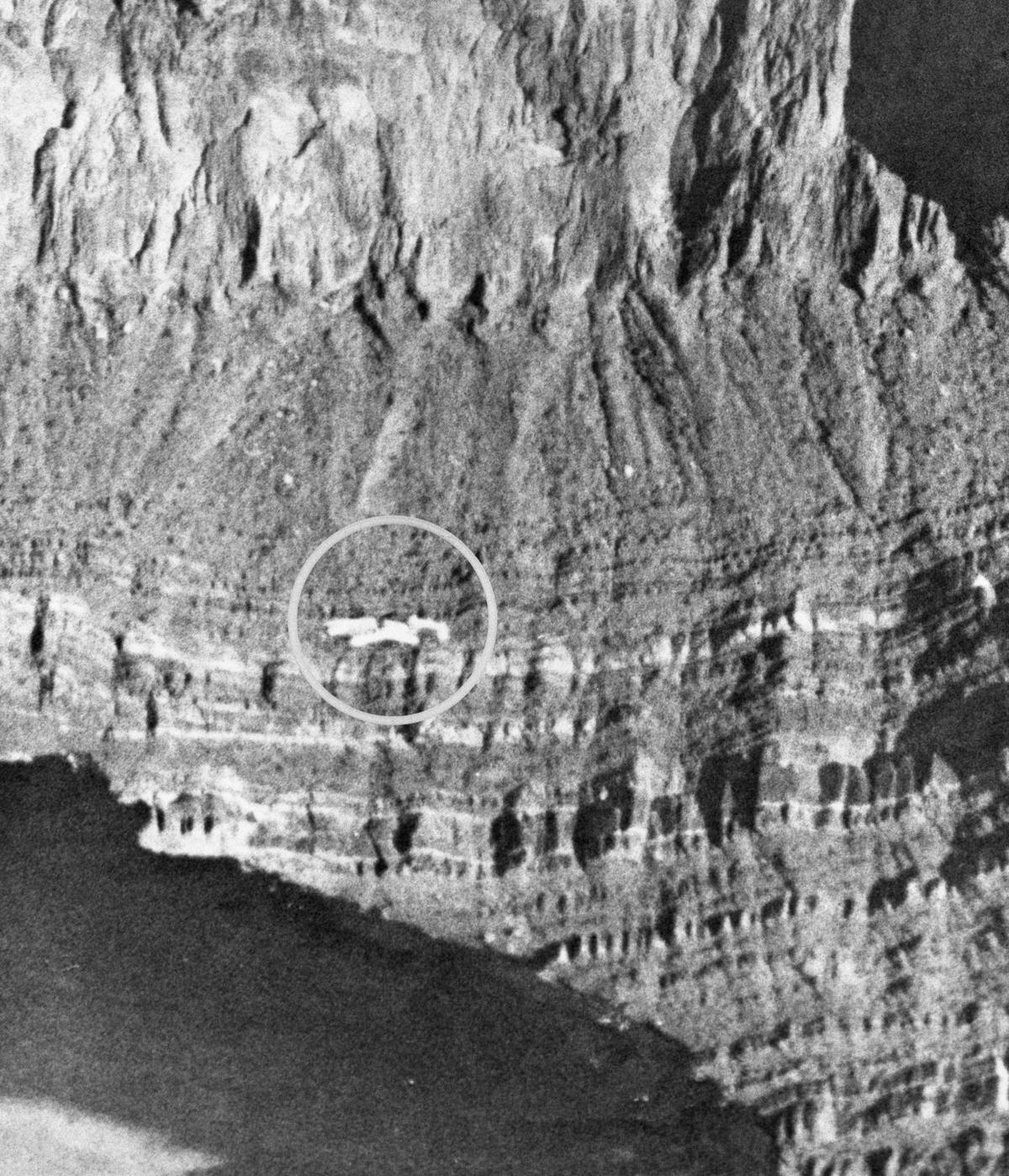
Two Airliners Collided Over the Grand Canyon—In Broad Daylight. How Could They Not See Each Other?
Companies Mentioned
Why It Matters
The crash demonstrated that visual separation alone cannot guarantee safety, accelerating the adoption of radar, mandatory ATC coverage, and onboard collision‑avoidance systems that protect modern air travel.
Key Takeaways
- •1956 Grand Canyon crash killed 128 passengers and crew.
- •Collision resulted from constant bearing, decreasing range visual illusion.
- •Pilots relied on “see and avoid” in uncontrolled airspace.
- •Lack of radar and ATC oversight prevented early conflict detection.
- •Disaster spurred development of radar surveillance and TCAS systems.
Pulse Analysis
The Grand Canyon collision remains a watershed moment in aviation history. At 21,000 feet, two airliners converged on a direct path, each appearing almost stationary against the sky because their bearing remained constant while distance shrank. Human vision is tuned to detect lateral motion, not objects that seem fixed, leaving pilots with only seconds to react. Add to that cockpit window frames, glare, and the multitasking demands of flight, and the “see and avoid” doctrine proved woefully inadequate.
Technical analyses of the accident highlighted the phenomenon of constant‑bearing, decreasing‑range (CBDR). When two aircraft share a heading toward a common point, their relative motion is minimal until the final moments, making visual detection extremely difficult. Studies by the Transportation Safety Board of Canada and the FAA later quantified the visual processing window at roughly 12.5 seconds—insufficient for high‑speed jets to maneuver safely. This insight reshaped pilot training, emphasizing proactive scanning patterns and the limits of human perception.
In response, regulators overhauled airspace management. Radar coverage expanded across previously uncontrolled corridors, and the Federal Aviation Administration mandated that aircraft operating at higher altitudes remain under ATC surveillance. The tragedy also accelerated the development of the Traffic Collision Avoidance System (TCAS), an onboard radar that provides real‑time alerts and resolution advisories. Today, the combination of ground‑based radar, satellite tracking, and TCAS ensures that the visual blind spots that doomed the 1956 flights are virtually eliminated, safeguarding millions of passengers each year.
Two Airliners Collided Over the Grand Canyon—in Broad Daylight. How Could They Not See Each Other?
Comments
Want to join the conversation?
Loading comments...