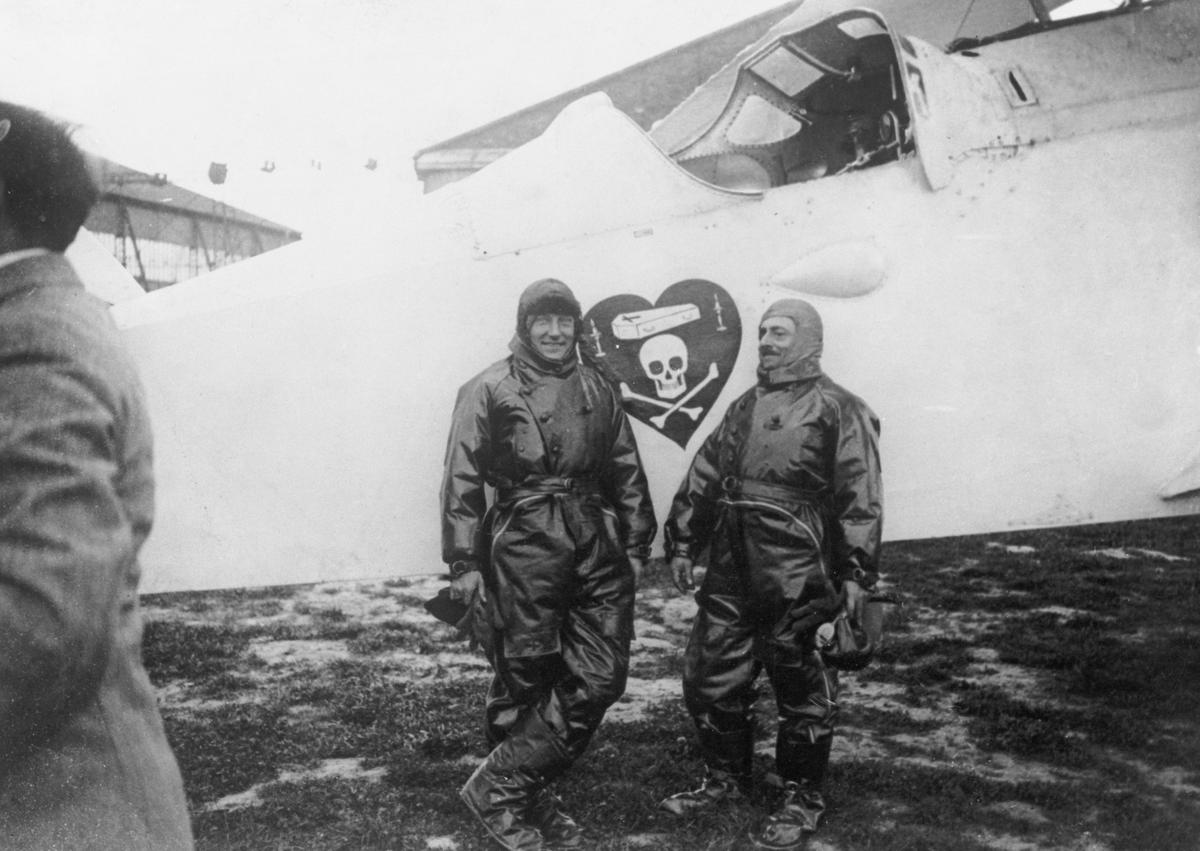
Two French Pilots Almost Beat Lindberg Across the Atlantic—Until They Disappeared
Why It Matters
The White Bird’s disappearance highlights the perilous race for early transatlantic flight and underscores the challenges of historic aircraft recovery, informing both aviation heritage and modern search‑and‑rescue techniques.
Key Takeaways
- •White Bird aimed to beat Lindbergh’s Atlantic crossing in 1927
- •Pilots Charles Nungesser and François Coli vanished after takeoff from Paris
- •The $25,000 Orteig Prize would have been awarded to the duo
- •TIGHAR shifted search from Maine to Newfoundland, uncovering new leads
- •Only surviving artifact: landing gear displayed at Paris’s Air Museum
Pulse Analysis
The early 1920s marked a feverish scramble for the first nonstop New York‑Paris flight, spurred by Raymond Orteig’s lucrative prize. While Charles Lindbergh’s Spirit of St. Louis ultimately secured the prize, the French duo’s White Bird was poised to claim it weeks earlier. Their ambitious attempt reflected a broader era of daring aviation feats, where national pride and private sponsorship converged to push the limits of technology and human endurance.
When the White Bird vanished, the mystery deepened amid sparse radio coverage and limited navigation aids. Eyewitnesses in Newfoundland reported a flaming biplane, likely steam from its liquid‑cooled engine, adding a dramatic layer to the folklore. Constructed mainly of plywood and canvas, the aircraft left little trace for conventional wreck‑search methods. Over the decades, TIGHAR’s exhaustive expeditions—first through Maine’s dense forests, then the rugged coasts of Newfoundland—have yielded fragments like a blue‑painted steel cylinder, yet none conclusively link to the missing plane. Parallel efforts by NUMA’s “Midnight Ghost” project similarly returned empty‑handed, illustrating the formidable preservation challenges posed by wood‑and‑fabric structures exposed to harsh Atlantic weather.
The ongoing intrigue surrounding the White Bird fuels both academic research and popular imagination, reinforcing the importance of preserving aviation history. Modern techniques such as high‑resolution sonar mapping and drone‑based photogrammetry are now being applied to historic crash sites, promising breakthroughs that were impossible in the mid‑20th century. Moreover, the lone surviving landing gear, housed at Paris’s Musée de l’Air et de l’Espace, serves as a tangible reminder of the era’s bold ambition and the enduring quest to solve one of aviation’s greatest mysteries.
Two French Pilots Almost Beat Lindberg Across the Atlantic—Until They Disappeared
Comments
Want to join the conversation?
Loading comments...