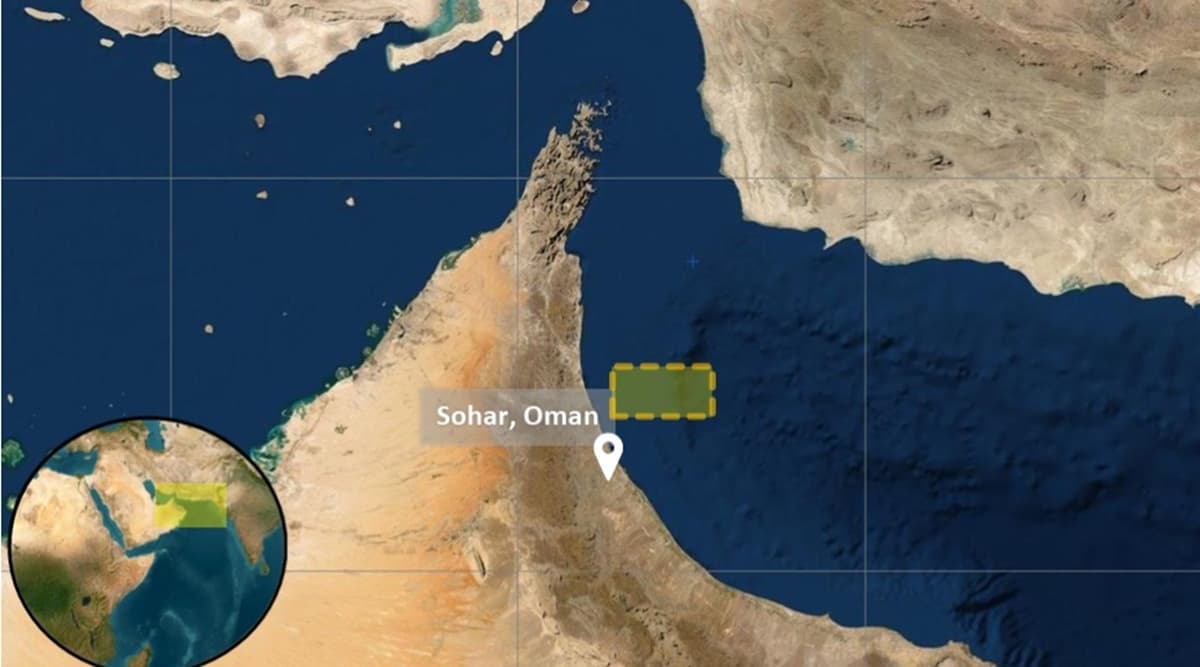
Two Missing, One Injured in Tanker Strike and Fire Off Oman
Why It Matters
The strike highlights escalating risks to global oil transport routes, potentially driving up freight costs and insurance premiums. It also signals deepening geopolitical friction that could disrupt energy markets worldwide.
Key Takeaways
- •Settebello struck by missile 20 nm off Oman, fire erupted.
- •Two Indian crew missing, one seriously injured.
- •Incident follows US strikes on Marivex and regional tensions.
- •Oman Navy intervened; threat level remains severe.
- •Potential disruptions to oil transit through Strait of Hormuz.
Pulse Analysis
The missile strike on the Palau‑flagged tanker Settebello underscores a volatile security environment in the Gulf of Oman. At roughly 09:30 UTC, the vessel transmitted a distress call after being hit, prompting an immediate response from the Oman Navy and nearby ships. The incident adds to a string of recent confrontations, including the U.S. disabling the empty Marivex tanker and downing a helicopter in the Strait of Hormuz, illustrating how quickly maritime threats can materialize into life‑threatening emergencies for crews and cargoes alike.
For the shipping industry, the fallout is immediate and multifaceted. Operators may reroute vessels farther from the Strait, incurring higher fuel costs and longer transit times, while insurers reassess premiums for vessels transiting the region. The loss of crew members and the potential for cargo damage also raise concerns about liability and compensation. Given that a significant share of the world’s oil supply passes through these chokepoints, any disruption can ripple through global energy prices, prompting traders to factor heightened risk premiums into forward contracts and spot markets.
Geopolitically, the event reflects the broader U.S.–Iran standoff that has spilled over into commercial navigation. While the Joint Maritime Information Centre recently lowered the threat level from Critical to Severe, the persistence of missile attacks suggests that the risk remains elevated. Stakeholders—from ship owners to policymakers—must monitor diplomatic developments closely and consider collaborative security measures, such as escort vessels or real‑time threat monitoring, to safeguard vital trade arteries and prevent further escalation that could jeopardize global supply chains.
Two missing, one injured in tanker strike and fire off Oman
Comments
Want to join the conversation?
Loading comments...