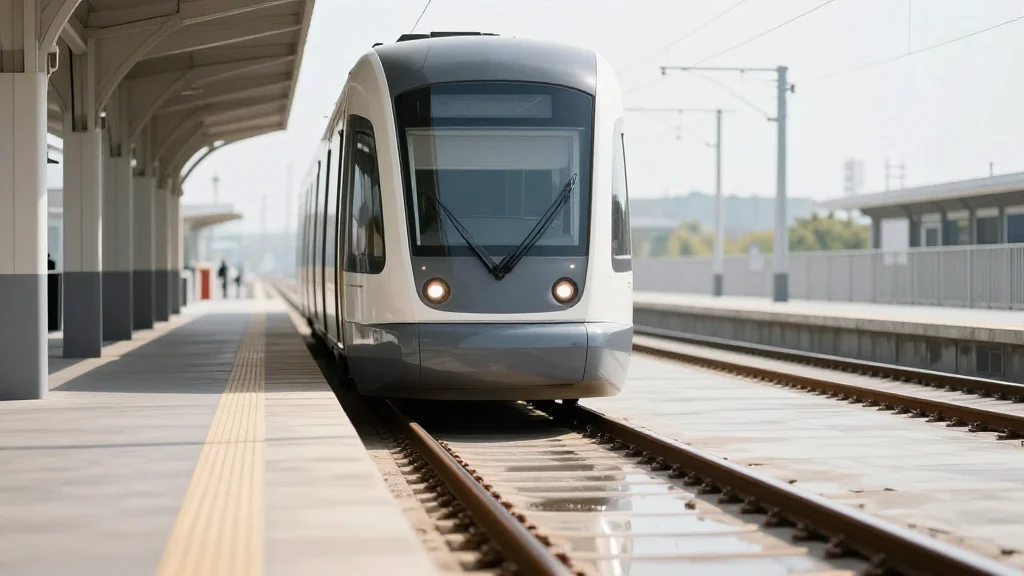
TX: Who Maintains, Decides Where DART Stations Go? Curious Texas Investigates
Why It Matters
DART’s governance and funding model directly shape regional mobility and tax burdens; any city exits could fragment service and hinder growth across the Dallas metro area.
Key Takeaways
- •DART funded by 1¢ sales tax since 1983.
- •Station sites chosen via corridor studies and city collaboration.
- •Silver Line opened Oct 2025 after 17‑year development.
- •Cities maintain roads; DART maintains station structures only.
- •May 2 vote could remove three cities from DART network.
Pulse Analysis
Dallas Area Rapid Transit remains a cornerstone of North Texas mobility, having evolved from a city‑run bus system into a regional agency financed by a modest one‑cent sales tax. Its 93‑mile light‑rail network, the longest in the United States, connects downtown Dallas to sprawling suburbs, while the newer Silver Line extends east‑west across the corridor. This scale of service underscores DART’s role as both a commuter conduit and a catalyst for transit‑oriented development, influencing land‑use patterns and economic activity throughout the 700‑square‑mile service area.
The placement of DART stations follows a data‑driven, multi‑year process. Corridor‑based studies assess traffic flow, demographic trends, and real‑estate availability, feeding into a capital‑planning team that balances regional goals with local city priorities. The Silver Line’s 17‑year gestation illustrates the depth of analysis and community outreach required before a single station is approved. Such rigor aims to ensure that each addition enhances connectivity, supports sustainable growth, and justifies the continued sales‑tax funding that underpins the system.
Maintenance responsibilities are clearly divided: municipalities handle roadways, sidewalks and litter, while DART maintains the station structures themselves. Riders can flag issues via the Say Something Safety and Security app or the Bus Stop Improvement Request form, with a two‑week response window. The upcoming May 2 special election in Addison, University Park and Highland Park could reshape the agency’s footprint; a withdrawal would not only affect tax revenue but also risk fragmenting the integrated network, potentially reducing service frequency and undermining regional transit cohesion.
TX: Who maintains, decides where DART stations go? Curious Texas investigates
Comments
Want to join the conversation?
Loading comments...