TxDOT Looks Back On March, April Progress
Why It Matters
By expanding capacity and bolstering safety, TxDOT’s projects address chronic congestion and flood risks, directly supporting Texas’s economic competitiveness and quality of life.
Key Takeaways
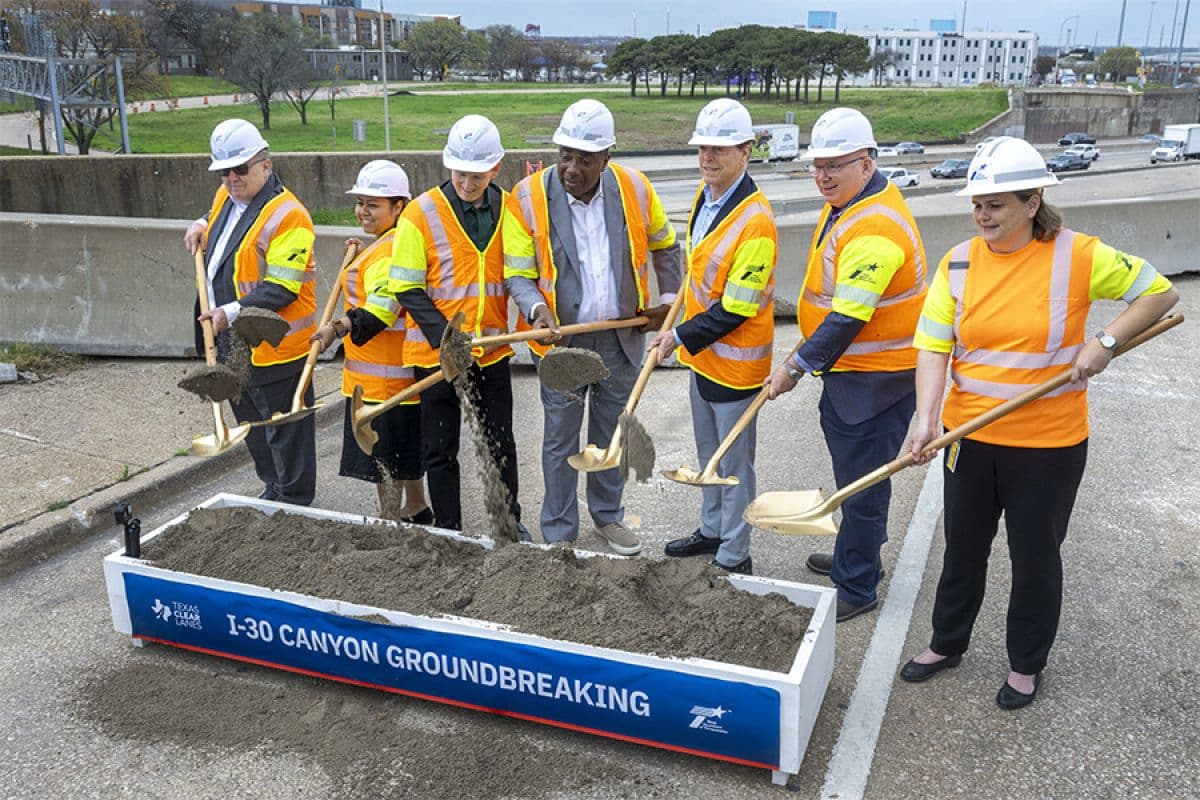
- •TxDOT broke ground on $888M I‑30 Canyon expansion in Dallas.
- •$312M I‑27 six‑lane expansion moves forward near Amarillo.
- •Loop 88 segments open, creating six‑lane freeway around Lubbock.
- •$68M Loop 360 underpass and diverging diamond interchange begins in Austin.
- •Safety upgrades launched statewide, targeting flood‑prone corridors and pedestrian paths.
Pulse Analysis
Texas’s population is projected to exceed 40 million by 2030, putting unprecedented pressure on its transportation network. To keep pace, TxDOT has leveraged a mix of federal grants, state bonds, and private‑sector partnerships to fund multi‑billion‑dollar projects. The recent $888 million I‑30 Canyon Improvement, for example, not only doubles lane capacity but also integrates pedestrian pathways, reflecting a broader shift toward multimodal corridors that support both freight efficiency and community mobility.
The March‑April rollout showcases a strategic focus on bottleneck relief and safety enhancements. Expansions like the $312 million six‑lane I‑27 stretch between Amarillo and Canyon aim to streamline cross‑state freight routes, while the opening of Loop 88 in Lubbock provides a high‑capacity outer ring road that eases urban congestion. In Austin, the $68 million Loop 360 project replaces signal‑controlled intersections with an underpass and a diverging‑diamond interchange, cutting travel times and reducing collision points. Parallel safety upgrades in the Rio Grande Valley and San Antonio address flood‑prone roadways, underscoring TxDOT’s commitment to resilient infrastructure.
Beyond immediate traffic benefits, these investments are catalysts for economic growth. Construction activity alone generates thousands of jobs, and the enhanced corridors improve access to industrial parks, ports, and regional markets, attracting new businesses. Moreover, modernized highways bolster emergency evacuation routes, a critical factor for a state vulnerable to hurricanes and severe weather. As Texas continues to attract businesses and residents, the sustained infrastructure spending positions the state to maintain its competitive edge while delivering safer, more reliable travel for its citizens.
TxDOT Looks Back On March, April Progress
Comments
Want to join the conversation?
Loading comments...