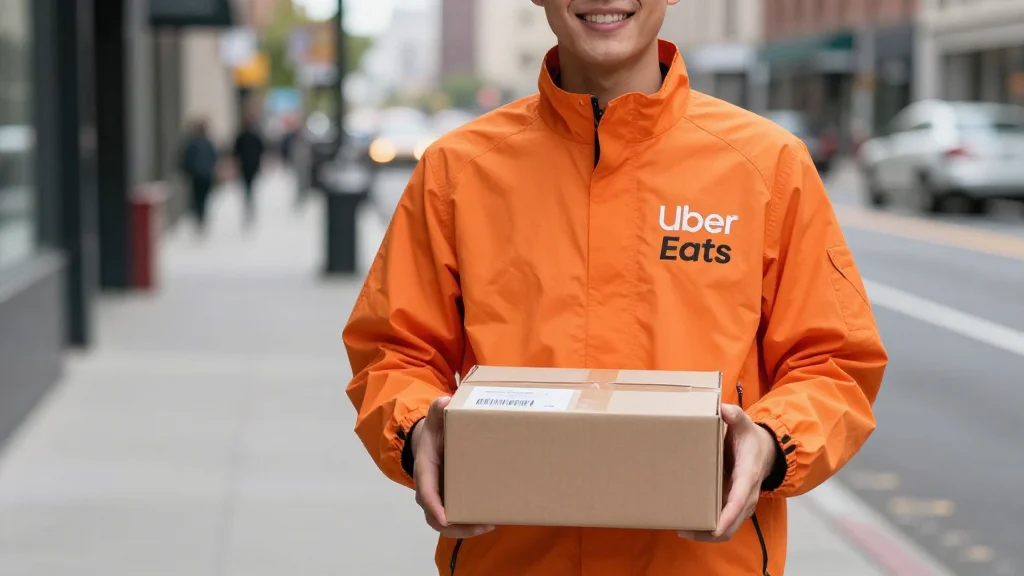
Uber Eats App to Start Picking Up Customers’ Returns for Thousands of Retail Locations
Companies Mentioned

Why It Matters
The move tackles a major retail friction point, potentially boosting shopper confidence on Uber Eats and deepening the platform’s role in the broader e‑commerce ecosystem. It also opens a new revenue stream for Uber through logistics fees while strengthening retailer partnerships.
Key Takeaways
- •Uber Eats adds in-app returns for thousands of U.S. retailers.
- •Customers can schedule courier pickup or drop off items themselves.
- •Return fees based on courier time and distance; self-drop free.
- •Service launches with Best Buy, Dick’s, Petco, PacSun, Pet Food Express.
Pulse Analysis
Retail returns have long been a pain point that erodes consumer confidence and adds operational complexity for merchants. By embedding a returns workflow directly into the Uber Eats app, the company transforms a traditionally cumbersome process into a seamless, on‑demand experience. Shoppers can initiate a return with a few taps, watch a courier arrive, and receive an instant refund, mirroring the convenience that originally attracted them to the platform. This service leverages Uber's extensive driver network, turning idle capacity into a value‑added offering while reinforcing the brand’s reputation for logistical innovation.
For partner retailers, the Uber Eats returns capability promises to reduce cart abandonment and increase repeat purchases. Stores like Best Buy and Dick’s Sporting Goods can now offer a familiar, hassle‑free return channel without building their own infrastructure. The fee model—based on distance and time—aligns costs with actual service usage, while the free self‑drop option preserves a low‑cost alternative for price‑sensitive customers. As Uber Eats reported a 26% YoY jump in delivery gross bookings and crossed a $100 billion annual run rate, the added logistics service could generate incremental revenue and deepen merchant loyalty, positioning Uber as a one‑stop shop for both delivery and reverse logistics.
Looking ahead, the integration of returns with Uber's broader "Send Items" feature hints at a future where the platform handles a full spectrum of consumer shipments, from purchases to post‑purchase logistics. This could spur competition among on‑demand delivery firms to add similar reverse‑logistics capabilities, reshaping the e‑commerce landscape. Moreover, the data generated from return patterns may inform retailers about product quality issues and consumer preferences, creating a feedback loop that enhances inventory management and product development. Uber's strategic expansion into returns underscores its ambition to become an indispensable infrastructure layer for modern retail.
Uber Eats App to Start Picking Up Customers’ Returns for Thousands of Retail Locations
Comments
Want to join the conversation?
Loading comments...