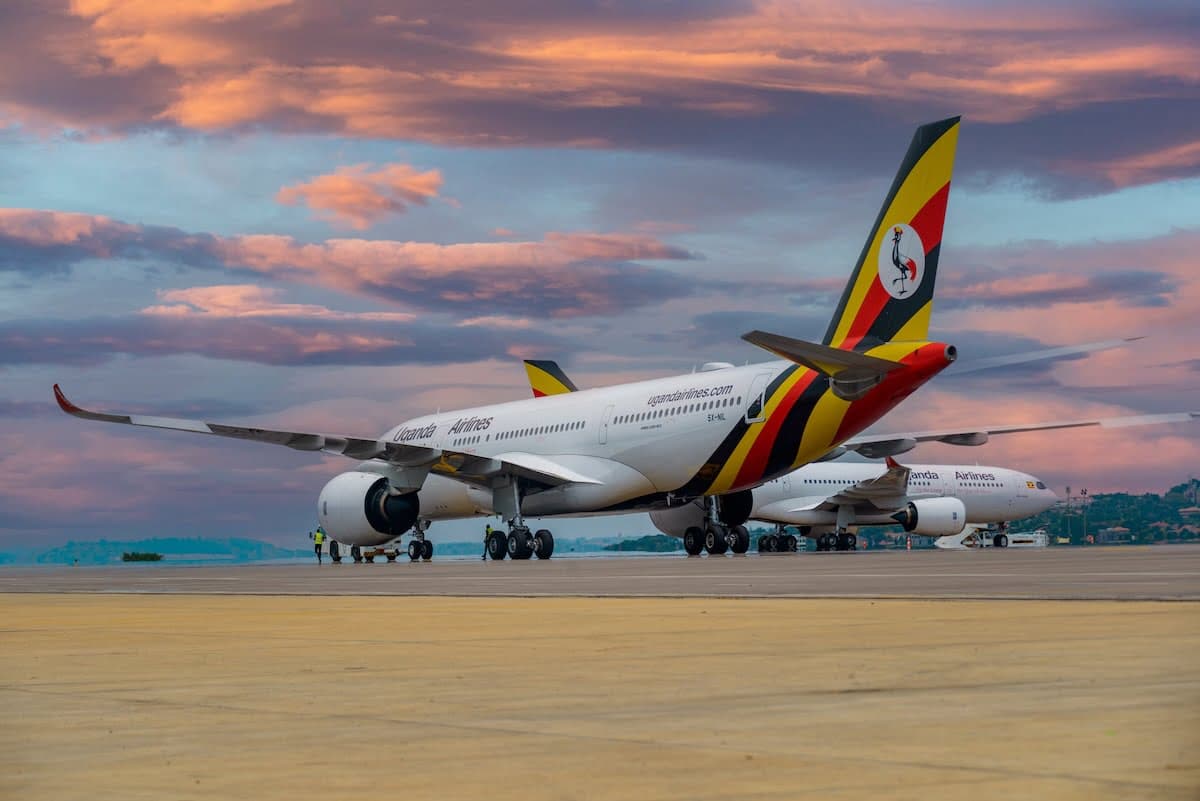
Uganda Airlines Signs US$985m Boeing Deal
Companies Mentioned
Why It Matters
The fleet expansion addresses chronic capacity constraints, positioning Uganda to compete regionally and attract tourism, trade and investment through direct global links. It also narrows the gap with larger East African carriers such as Ethiopian Airlines.
Key Takeaways
- •Uganda orders 10 Boeing jets for $985 million
- •Deal includes eight passenger and two freighter aircraft
- •Goal: boost long‑haul routes and cargo capacity
- •Boeing will provide training and technical support
- •Aims to reduce reliance on regional transit hubs
Pulse Analysis
Uganda Airlines has long struggled with a limited fleet, relying on leased aircraft to keep long‑haul routes viable. Frequent cancellations and maintenance bottlenecks have hampered its reputation, especially on routes to Europe and Asia. By securing ten new Boeing aircraft, the carrier can finally field a dedicated wide‑body fleet, offering more reliable schedules and the ability to open new destinations without the cost of leasing. The inclusion of two freighter conversions also signals a strategic pivot toward cargo, leveraging Uganda’s agricultural export potential.
The $985 million deal places Uganda among the few African nations making a multi‑billion‑dollar commitment to fleet modernization. While Ethiopian Airlines and Kenya Airways have already expanded their fleets, Uganda’s acquisition narrows the competitive gap, especially in the long‑haul segment where Ethiopian dominates. Boeing’s involvement goes beyond aircraft supply; the partnership includes technical assistance, pilot and maintenance training, and capacity‑building programs that are essential for sustainable operations. This holistic approach reduces the risk of underutilization and aligns with regional trends of airlines seeking integrated support from OEMs.
Beyond aviation, the investment dovetails with Uganda’s broader economic agenda. Direct flights to major Asian and European hubs can shorten travel times, lower business costs, and make the country more attractive to foreign investors and tourists. Enhanced cargo capabilities promise higher export volumes for coffee, tea, and other commodities, potentially improving trade balances. However, success will depend on effective implementation, timely aircraft deliveries, and the development of ground infrastructure at Entebbe to support increased traffic. If managed well, the Boeing deal could transform Uganda into a regional hub and a catalyst for sustained economic growth.
Uganda Airlines signs US$985m Boeing deal
Comments
Want to join the conversation?
Loading comments...