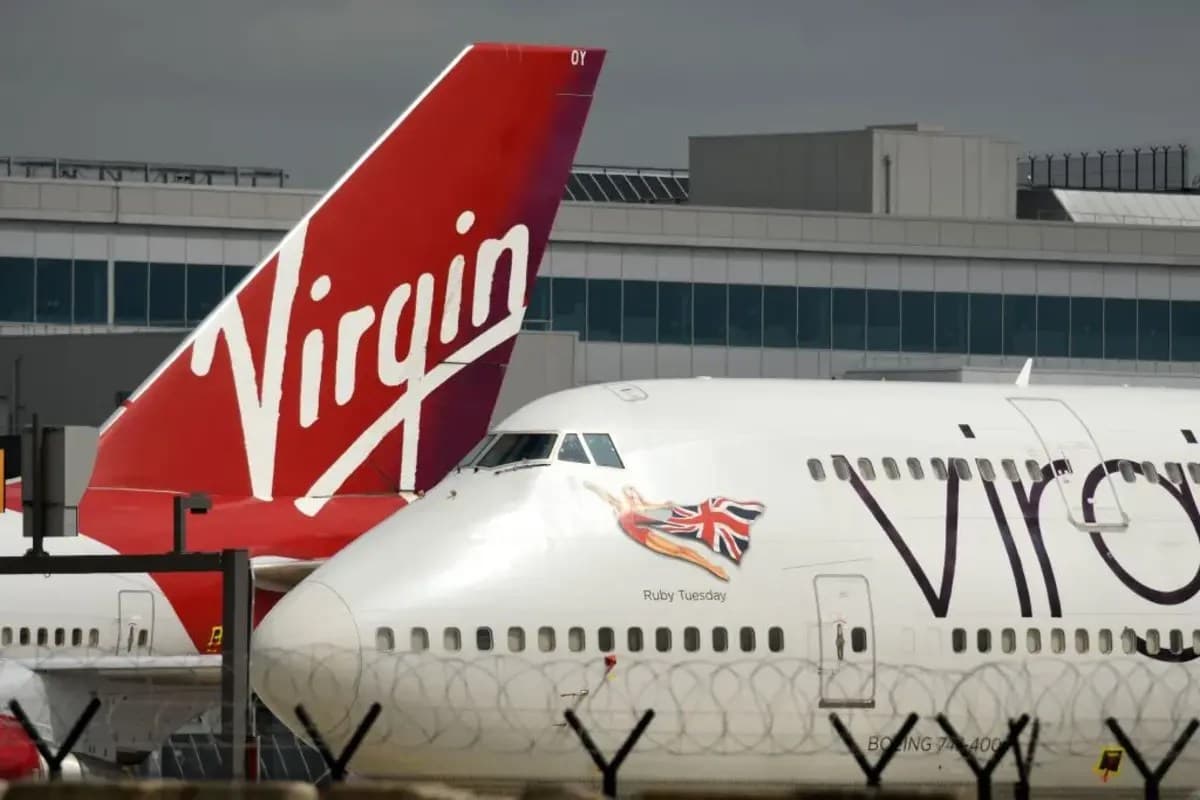
UK at ‘Greatest Risk’ of Jet Fuel Shortage as Flights to Be Cancelled
Companies Mentioned
Why It Matters
A jet‑fuel shortage would cripple UK air connectivity, raise travel costs and pressure airlines’ profit margins, reshaping the summer travel market. The situation also highlights geopolitical supply‑chain vulnerabilities that could affect broader European aviation.
Key Takeaways
- •UK most exposed European market to jet‑fuel supply shocks
- •Reliance on non‑Middle‑East imports heightens vulnerability
- •Airlines may cancel thousands of flights in June‑July peak
- •Government urging staycations to mitigate potential travel disruptions
Pulse Analysis
The looming jet‑fuel shortage underscores how geopolitical tensions can ripple through national economies. The Strait of Hormuz, a chokepoint for global oil shipments, has become a focal point for analysts warning that any disruption could curtail the flow of kerosene, the primary component of aviation fuel. The UK’s import profile—largely dependent on refiners outside the Middle East—makes it uniquely susceptible compared with continental peers such as Germany or France, whose supply chains are more diversified. This structural exposure amplifies the risk that a regional supply shock could translate into immediate operational challenges for carriers operating out of Heathrow, Gatwick and other major hubs.
Airlines are already adjusting schedules to pre‑empt the worst‑case scenario. Lufthansa Group’s plan to cancel 20,000 flights over six months and Virgin Atlantic’s introduction of a fuel surcharge signal that carriers are pricing in higher costs and potential capacity reductions. Ryanair’s chief, Michael O’Leary, has hinted that competitors are “desperately” seeking to cut routes, a move that could erode market share for smaller operators and increase fare volatility. For passengers, the most tangible impact will be reduced flight availability during June and July, traditionally the busiest travel months, potentially prompting a shift toward domestic tourism.
Policy makers are responding by encouraging staycations, a strategy aimed at preserving consumer confidence while alleviating pressure on international routes. Transport Secretary Heidi Alexander’s public warning serves both as a demand‑management tool and a signal to the aviation sector that contingency planning is essential. In the longer term, the episode may accelerate discussions about strategic fuel reserves, diversification of supply sources, and investment in alternative propulsion technologies to reduce the industry’s reliance on volatile oil markets.
UK at ‘greatest risk’ of jet fuel shortage as flights to be cancelled
Comments
Want to join the conversation?
Loading comments...