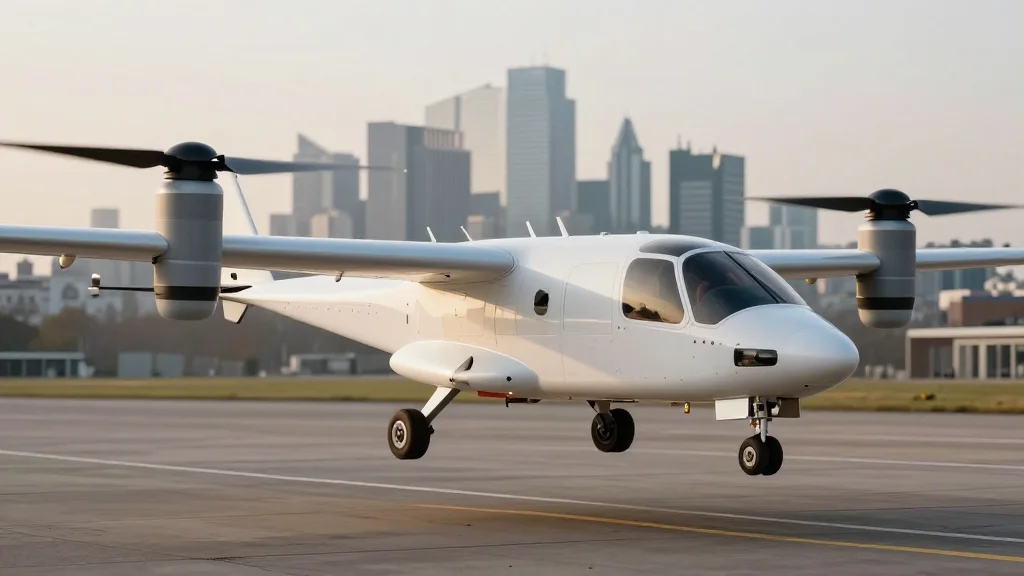
UK CAA Opens Consultation on New Types of VTOL
Why It Matters
Clear, UK‑specific regulations are essential to unlock commercial urban air mobility and to ensure safety parity with global eVTOL certification efforts. The outcome will influence investment, fleet certification and operational timelines for manufacturers and service providers.
Key Takeaways
- •CAA seeks rules for Complex-Motor Powered Aircraft (CMPA) operations.
- •Consultation covers airworthiness standards, pilot licensing, and flight‑operation protocols.
- •Industry input will shape UK’s urban air mobility safety framework.
- •New regulations aim to align UK with global eVTOL certification trends.
- •Stakeholders have 12 weeks to submit comments via the CAA portal.
Pulse Analysis
The UK’s urban air mobility ambition hinges on a robust regulatory foundation, and the Civil Aviation Authority’s latest consultation marks a pivotal step toward that goal. By targeting Complex‑Motor Powered Aircraft—often the most advanced eVTOL designs—the CAA is addressing the technical nuances that differentiate these vehicles from traditional helicopters. The focus on continuing airworthiness ensures that manufacturers embed maintainability and safety checks into the design phase, while pilot licensing provisions will define the skill set required for autonomous or semi‑autonomous operations. Together, these elements create a comprehensive safety net that can accommodate rapid technological evolution.
For industry participants, the consultation offers a rare opportunity to influence the rule‑making process before standards become entrenched. Aircraft developers can align their certification strategies with the CAA’s expectations, potentially reducing time‑to‑market for UK‑based eVTOL fleets. Operators, meanwhile, gain clarity on the operational constraints they must meet, from flight‑path planning to noise mitigation. By soliciting feedback on licensing and flight‑operation protocols, the CAA signals its intent to balance safety with the flexibility needed for innovative service models such as on‑demand air taxis and cargo drones.
Globally, the UK aims to position itself alongside the United States and the European Union as a leader in eVTOL regulation. Harmonizing its standards with international frameworks could streamline cross‑border certification and attract foreign investment. The 12‑week comment period sets a clear timeline for stakeholders to present data, safety analyses, and best‑practice recommendations. Once finalized, the new rules are expected to catalyze commercial trials, stimulate supply‑chain development, and ultimately accelerate the rollout of sustainable, low‑altitude air transport across British cities.
UK CAA opens consultation on new types of VTOL
Comments
Want to join the conversation?
Loading comments...