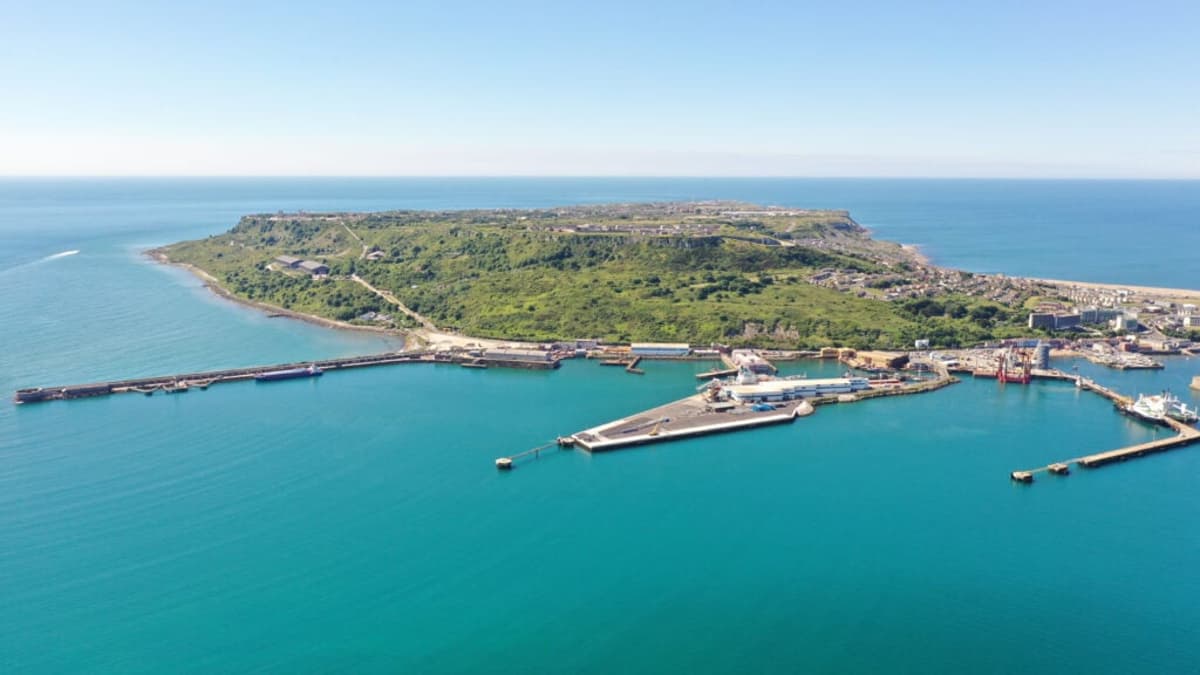
UK’s Portland Port Approved for LNG Ship-to-Ship Transfers
Why It Matters
The licence positions Portland Port as a key node in the UK’s growing LNG import infrastructure, enhancing supply‑chain efficiency and supporting the country’s energy‑transition objectives. It also offers shippers a compliant, low‑delay alternative to traditional offshore transfers.
Key Takeaways
- •Portland Port gains full LNG STS licence, joining oil and LPG services.
- •STS can occur at berth or anchor in inner/outer harbour.
- •Location 20 miles north of English Channel lanes reduces transit times.
- •New capability supports UK’s LNG import growth and decarbonisation goals.
- •Port celebrates 30th anniversary, transitioning from former naval base.
Pulse Analysis
The United Kingdom’s push for cleaner energy has accelerated demand for liquefied natural gas, a transitional fuel that bridges the gap to net‑zero. Ship‑to‑ship (STS) transfers are a critical component, allowing vessels to off‑load LNG without docking at a terminal, thereby cutting port fees and turnaround times. By granting Portland Port a full LNG STS licence, regulators have expanded the nation’s offshore transfer network, offering shippers a domestic alternative to the congested continental European hubs that have traditionally dominated the market.
Portland’s geographic advantage lies in its proximity to the English Channel’s busiest lanes, just 20 miles north of the main artery for European trade. This location enables rapid ingress and egress for LNG carriers, minimizing exposure to adverse weather and reducing the distance vessels must travel to complete a transfer. The port’s flexibility—allowing operations at a dedicated berth or at anchor in either the inner or outer harbour—provides operators with options to match vessel size, draft constraints, and scheduling demands, ultimately streamlining the supply chain for downstream users such as power generators and industrial consumers.
Beyond operational efficiencies, the approval signals a broader regulatory shift toward supporting low‑carbon fuel infrastructure. As the UK targets 40 GW of LNG‑derived power by 2030, domestic STS capabilities will be essential for meeting import volumes while maintaining energy security. Portland Port’s new service also creates commercial opportunities for marine service providers and could spur further investment in ancillary facilities, such as on‑shore storage and regasification units, reinforcing the port’s role in the evolving energy landscape.
UK’s Portland Port approved for LNG ship-to-ship transfers
Comments
Want to join the conversation?
Loading comments...