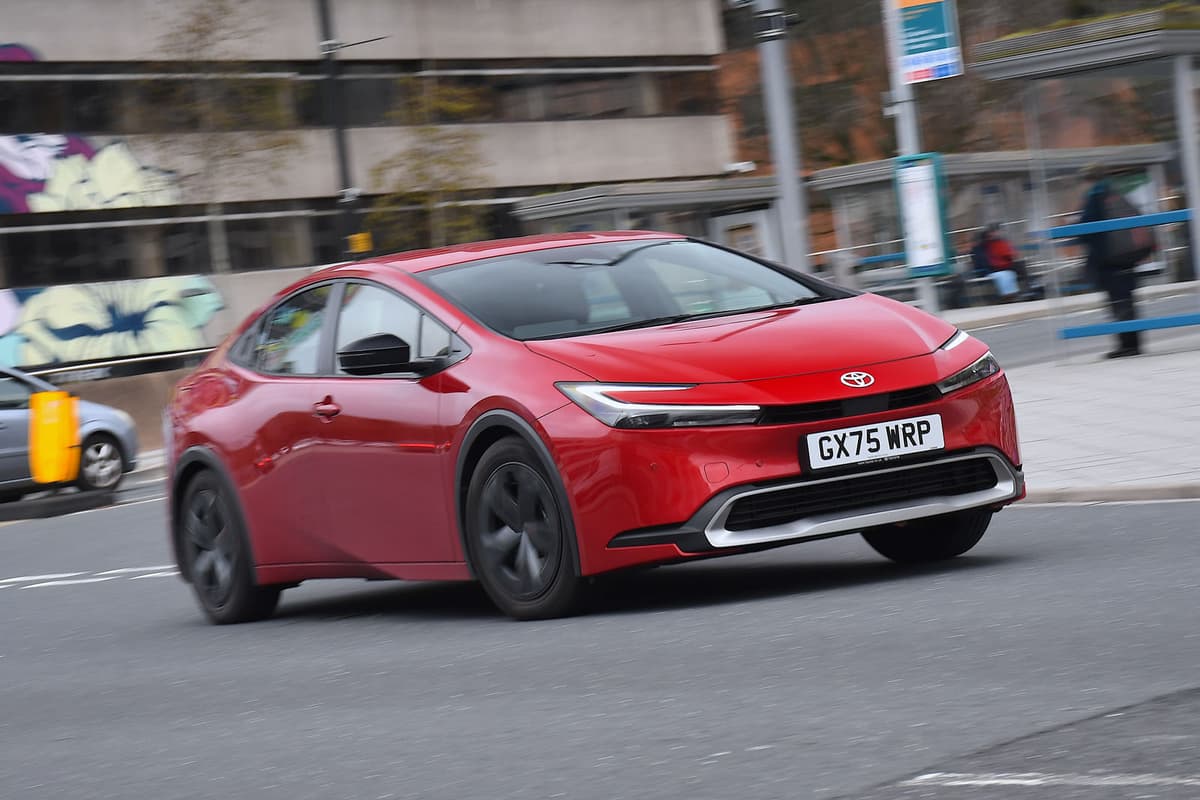
Ultimate Fuel Crisis Car? I Took My Toyota Prius to the MPG Max
Companies Mentioned
Why It Matters
The results prove that a mainstream plug‑in hybrid can deliver true fuel‑price insulation, offering consumers a practical bridge between full EVs and conventional cars as fuel costs remain volatile.
Key Takeaways
- •Prius PHEV delivered 62.4 mpg over 500 miles, 39% electric
- •Total cost averaged 13 p per mile (~$0.17), far below pump prices
- •Fuel tank fill (£60 ≈ $76) gave 467 miles, 40‑litre capacity
- •Home charging could cut battery top‑up cost below $5 versus $9
- •Competing plug‑in hybrids like Golf GTE and Honda Prelude offer similar efficiency
Pulse Analysis
Rising fuel prices have forced drivers to scrutinize every drop of gasoline, and plug‑in hybrids (PHEVs) have re‑emerged as a cost‑effective compromise. The Toyota Prius PHEV, long‑standing for its frugal reputation, was put through a real‑world endurance run that mirrors the daily commute of a typical professional. By topping up a 40‑litre tank for roughly £60 (about $76) and adding a public‑charge of £7 (around $9), the test demonstrated that the Prius can stretch each pound far beyond the average sedan, delivering 62.4 mpg and a total cost of just 13 p per mile (≈$0.17). This figure is especially striking when compared with the UK’s average pump price of over £1.50 per litre, underscoring the vehicle’s ability to shield owners from volatile fuel markets.
The test’s data also highlights the importance of charging strategy. While a public station charged 48p per kWh, a home socket or 7 kW wallbox would likely halve that expense, pushing the per‑mile cost even lower. The Prius’s 13.6 kWh battery supplied roughly 35‑40 miles of pure electric range, accounting for 39% of the total distance covered without any driver‑style changes. This blend of electric and efficient gasoline operation outperforms many pure‑gas models and rivals dedicated EVs on longer trips where charging infrastructure remains sparse. Moreover, the vehicle’s 223 bhp output and 0‑62 mph time of 6.8 seconds prove that efficiency does not have to sacrifice performance.
Toyota’s strategic refresh of the Prius positions it as a viable alternative to newer PHEV rivals such as the Volkswagen Golf GTE and Honda Prelude. By leveraging aerodynamic design and a refined power‑train, the Prius offers both low operating costs and respectable driving dynamics, appealing to commuters, fleet managers, and environmentally conscious buyers alike. As governments incentivize low‑emission vehicles and fuel prices stay elevated, the Prius PHEV’s proven economics could drive broader adoption of plug‑in hybrids, bridging the gap until charging networks become ubiquitous. Consumers weighing the total cost of ownership should consider the Prius’s blend of fuel‑efficiency, modest electric range, and potential home‑charging savings as a compelling proposition in today’s market.
Ultimate fuel crisis car? I took my Toyota Prius to the MPG max
Comments
Want to join the conversation?
Loading comments...