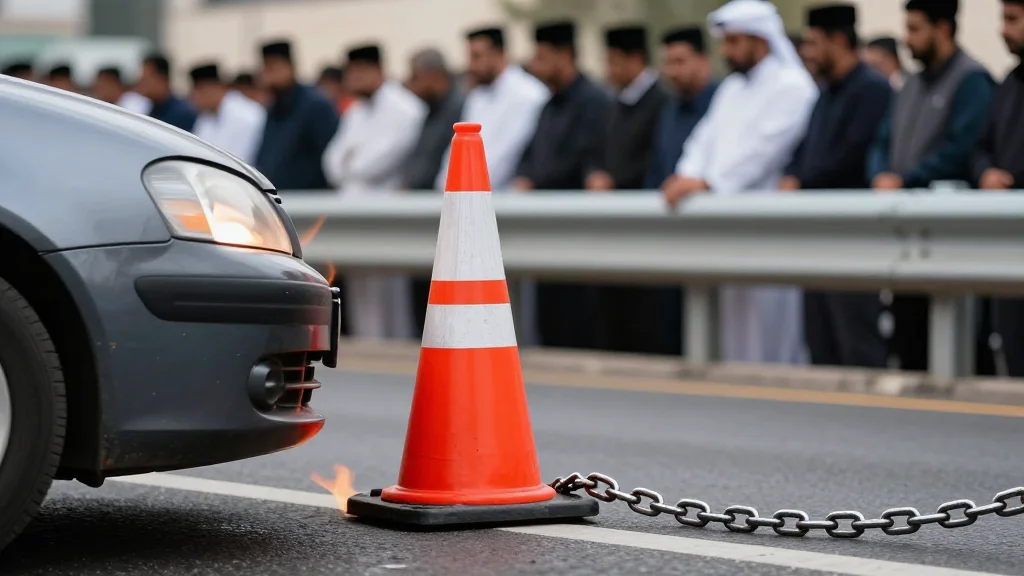
Ultra‑Orthodox Protests Shut Israel’s Highways and Railways Over Draft Law

Why It Matters
The protests demonstrate how sociopolitical disputes can instantly cripple a nation’s transport arteries, exposing the fragility of centralized highway and rail systems to mass civil action. Disruptions to commuter flows and freight logistics can erode economic confidence, especially in a country already contending with multiple security fronts. Moreover, the draft‑exemption debate underscores a broader governance challenge: balancing demographic accommodations with national defense needs, a tension that directly influences the availability of personnel for both military operations and emergency response capabilities. For the transportation sector, the events serve as a cautionary tale about the need for contingency planning, diversified routing, and rapid response protocols. Companies operating logistics, public transit, and ride‑hailing services must now factor political volatility into their risk assessments, ensuring that service continuity can be maintained even when streets become protest zones.
Key Takeaways
- •Tens of thousands of ultra‑Orthodox protesters blocked major highways and commuter rail lines in Jerusalem and Tel Aviv on Monday.
- •Police used water cannons and mounted units; a soldier was assaulted during the unrest.
- •Less than 10% of the roughly 13,000 ultra‑Orthodox men reaching conscription age each year currently enlist.
- •The protests jeopardize Prime Minister Benjamin Netanyahu’s coalition, potentially triggering early elections.
- •Transport shutdowns halted daily commutes and freight, highlighting infrastructure vulnerability to mass civil action.
Pulse Analysis
Israel’s transport grid, while technologically advanced, remains highly susceptible to coordinated street-level disruptions. The ultra‑Orthodox protests illustrate a scenario where a single demographic group can leverage its numerical strength to seize control of critical mobility nodes, effectively turning roads and rails into bargaining chips. Historically, Israel has faced security‑related transport interruptions, but those were typically external (rocket attacks, border closures). This internal, politically motivated shutdown is distinct, suggesting that future risk models must incorporate sociopolitical flashpoints alongside traditional security threats.
From a market perspective, the incident may accelerate investment in alternative mobility solutions—such as flexible bus routing, micro‑mobility fleets, and digital traffic‑management platforms—that can reroute passengers and goods when primary corridors are compromised. Companies that can provide real‑time crowd‑sensing data and dynamic dispatching will likely see heightened demand from both public agencies and private logistics firms seeking resilience.
Looking ahead, the resolution of the draft exemption controversy will be pivotal. If the government enforces broader conscription, it may quell the immediate unrest but could provoke longer‑term societal friction, potentially leading to recurring transport disruptions. Conversely, maintaining exemptions risks further erosion of military manpower, which could strain national security and, by extension, the economic stability that underpins transport investment. Stakeholders should monitor legislative developments, court rulings, and coalition negotiations closely, as each will shape the operating environment for Israel’s transportation sector in the months to come.
Ultra‑Orthodox Protests Shut Israel’s Highways and Railways Over Draft Law
Comments
Want to join the conversation?
Loading comments...