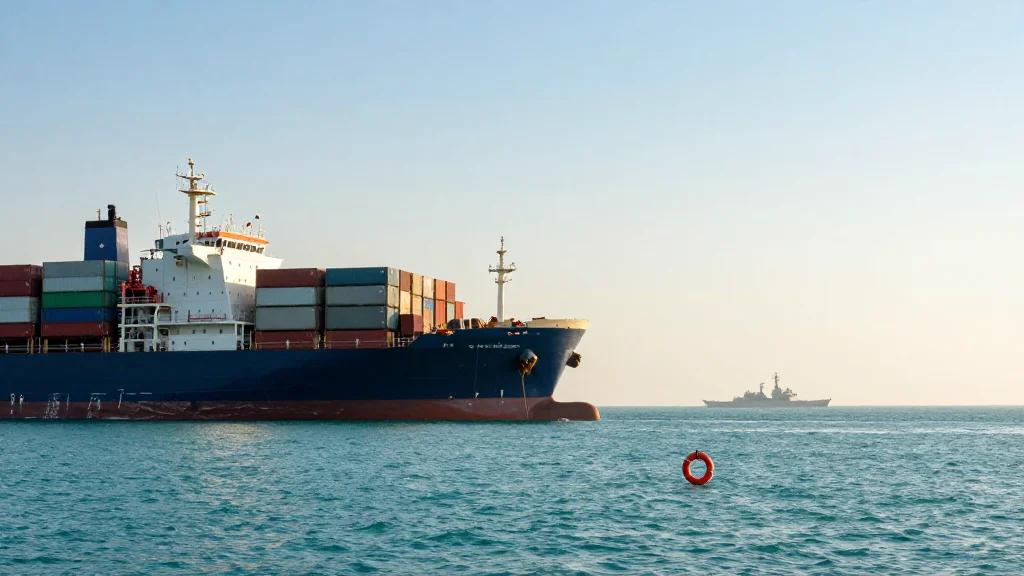
UN Flags Humanitarian Crisis as 20,000 Seafarers Remain Trapped in Persian Gulf

Why It Matters
The entrapment of 20,000 seafarers underscores the human cost of geopolitical conflict in one of the world’s most vital shipping lanes. Beyond the immediate safety concerns, the blockage threatens to destabilize global energy markets, as the Strait of Hormuz is a conduit for roughly 20% of daily oil shipments. Prolonged disruption could force carriers onto longer routes, inflating freight costs and feeding into broader inflationary pressures. Moreover, the crisis highlights gaps in international maritime law regarding crew repatriation and protection during armed conflict. Without a coordinated response, similar scenarios could recur in future flashpoints, eroding confidence in the resilience of global supply chains.
Key Takeaways
- •Approximately 20,000 seafarers have been stranded in the Persian Gulf for eight weeks.
- •The Strait of Hormuz, handling ~20% of global oil trade, remains effectively closed.
- •Between 800 and 1,000 vessels are seeking to transit the strait but are blocked.
- •Iran’s new navigation fees and U.S. sanctions threats have created a legal impasse.
- •UN’s IMO calls the situation a humanitarian crisis, urging safe corridors.
Pulse Analysis
The current stalemate in the Persian Gulf is a textbook case of how geopolitical friction can cascade into operational bottlenecks and humanitarian fallout. Historically, the Strait of Hormuz has been a flashpoint, but the scale of crew immobilization is unprecedented. Shipping firms are now forced to weigh the cost of rerouting around Africa—adding 10,000 nautical miles and weeks of delay—against the risk of sanctions for paying Iran’s navigation fees. This calculus is reshaping freight pricing models and prompting insurers to reprice war‑risk coverage, which will likely linger even after hostilities subside.
From a strategic perspective, the crisis could accelerate the diversification of energy supply routes. Nations heavily dependent on Gulf oil may accelerate investments in alternative pipelines, LNG terminals, or renewable capacity to hedge against future chokepoint disruptions. Meanwhile, the UN’s call for a humanitarian corridor may set a precedent for future maritime conflicts, pushing the IMO to codify clearer protocols for crew safety.
Looking ahead, the resolution hinges on diplomatic breakthroughs that can reopen the strait without compromising security mandates. If a safe passage is negotiated, we may see a rapid surge in vessel movements, temporarily easing freight rates. Conversely, a prolonged deadlock could embed higher cost structures into global shipping, reshaping trade patterns for years.
UN Flags Humanitarian Crisis as 20,000 Seafarers Remain Trapped in Persian Gulf
Comments
Want to join the conversation?
Loading comments...