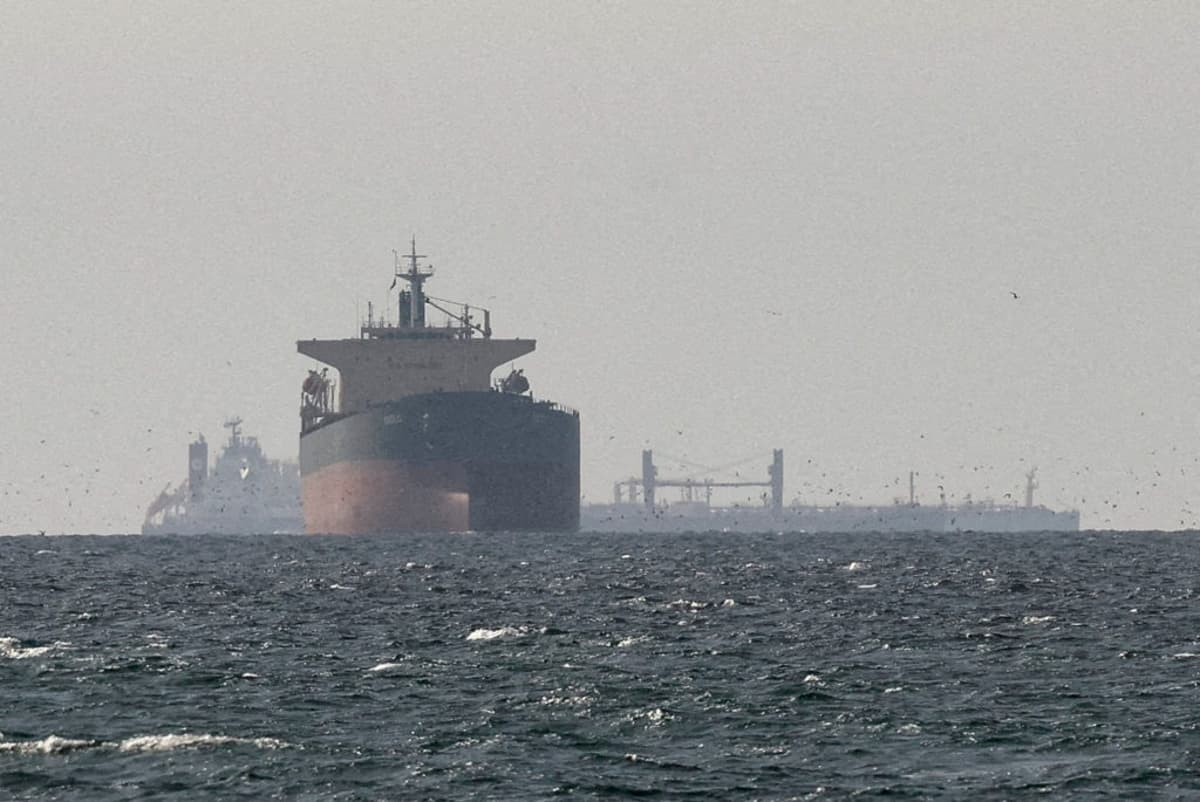
UN Official Warns Strait of Hormuz Dispute Is Disrupting Global Food Supply
Why It Matters
Disrupted fertilizer supplies threaten crop yields in Africa and South Asia, driving up food prices worldwide and intensifying hunger risks.
Key Takeaways
- •Fertilizer shipments through Hormuz delayed, threatening planting season
- •Africa and South Asia risk 45 million food‑insecure people
- •UN task force ready to monitor vessels within seven days
- •Political deal between U.S., Iran, Israel needed for safe transit
- •Global food prices could surge if strait remains blocked
Pulse Analysis
The Strait of Hormuz, a narrow waterway linking the Persian Gulf to the open ocean, handles roughly 20% of the world’s maritime trade, including a substantial share of nitrogen‑based fertilizers. While oil dominates headlines, the region’s ports also serve as the primary gateway for raw materials that feed the global agricultural supply chain. When vessels are delayed or rerouted, the ripple effect reaches far‑flung markets, especially in emerging economies that rely on inexpensive Gulf‑sourced inputs to keep staple crops affordable.
For countries across Africa and South Asia, the timing of fertilizer deliveries is critical because planting seasons in many rain‑fed regions begin in April and run through May. Missing this window can slash yields, push up staple‑food prices, and push vulnerable households into hunger. The U.N. official cited a potential 45 million people facing heightened food insecurity if the strait remains blocked, underscoring how a geopolitical standoff can quickly become a humanitarian emergency. Analysts warn that even a modest price increase in fertilizers can translate into double‑digit spikes in wheat, rice and maize costs, amplifying inflation pressures in low‑income markets already strained by post‑pandemic recovery.
To avert a global food shock, the U.N. task force proposes a rapid‑deployment monitoring system that verifies cargoes, tracks vessel movements and provides real‑time clearance for fertilizer shipments. The technical framework mirrors successful initiatives in the Black Sea grain corridor and Gaza. However, its effectiveness hinges on a political accord among the United States, Iran and Israel to guarantee safe, predictable navigation. Without such a deal, the world faces not only higher commodity prices but also a renewed test of multilateral crisis‑management mechanisms, highlighting the intersection of security, trade policy and food security in today’s interconnected economy.
UN official warns Strait of Hormuz dispute is disrupting global food supply
Comments
Want to join the conversation?
Loading comments...