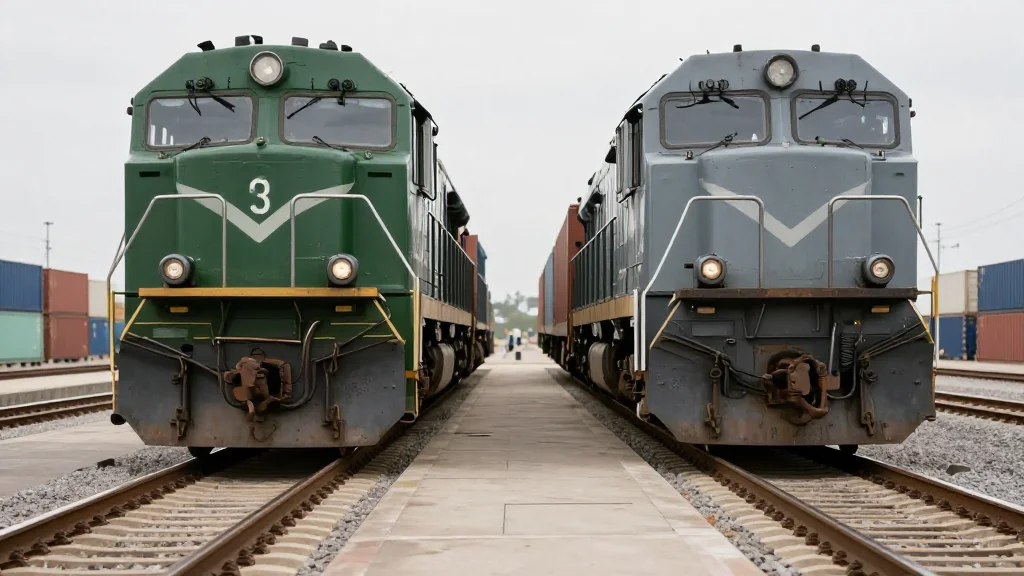
Union Pacific and Norfolk Southern Refile Merger Application with Surface Transportation Board
Why It Matters
The merger could reshape North American freight logistics by creating the first coast‑to‑coast rail network, intensifying competition with trucking and potentially lowering consumer prices. Regulatory approval will determine whether the projected cost savings, job growth, and environmental benefits materialize.
Key Takeaways
- •$85 billion UP‑NS merger seeks STB approval after revised filing
- •Projected $3.5 billion annual shipper savings from rail‑truck shift
- •Expected creation of 1,200 net new union jobs by year three
- •Merger could cut 3.8 million metric tons CO₂ annually
- •No reduction in Class I rail competitors across 172 U.S. economic areas
Pulse Analysis
The Union Pacific‑Norfolk Southern combination represents the most ambitious consolidation in U.S. rail history, aiming to stitch together more than 50,000 route miles into a single transcontinental network. After the Surface Transportation Board rejected the original filing for lacking required data, the carriers submitted a comprehensive amendment that satisfies the agency’s demand for full system impact analyses, market‑share forecasts, and a transparent merger agreement. This procedural reset underscores how heavily regulators scrutinize potential shifts in market power, especially when a deal could reduce the number of Class I competitors in specific economic zones.
Proponents argue the merger will generate substantial economic upside. By eliminating interline handoffs, the combined railroad promises faster transit times—cutting 24 to 48 hours per shipment—and an estimated $3.5 billion in annual savings for shippers who shift freight from higher‑cost trucking to rail. Those efficiencies are expected to ripple through the supply chain, lowering inventory carrying costs and, ultimately, consumer prices. The plan also projects the creation of 1,200 net new union jobs by the third year and a reduction of roughly 3.8 million metric tons of CO₂ emissions, positioning the rail sector as a greener alternative to long‑haul trucking.
Nevertheless, the path to approval is fraught with political and competitive challenges. Critics worry that a single‑line service could diminish competition, even as the carriers assert that no Business Economic Area will see a drop from two to one Class I options. The timing coincides with upcoming midterm elections, adding a layer of uncertainty to the Board’s deliberations. If approved, the merger could set a precedent for future infrastructure consolidations, but any delay or denial would reinforce the regulatory guardrails that preserve a competitive rail landscape in the United States.
Union Pacific and Norfolk Southern refile merger application with Surface Transportation Board
Comments
Want to join the conversation?
Loading comments...