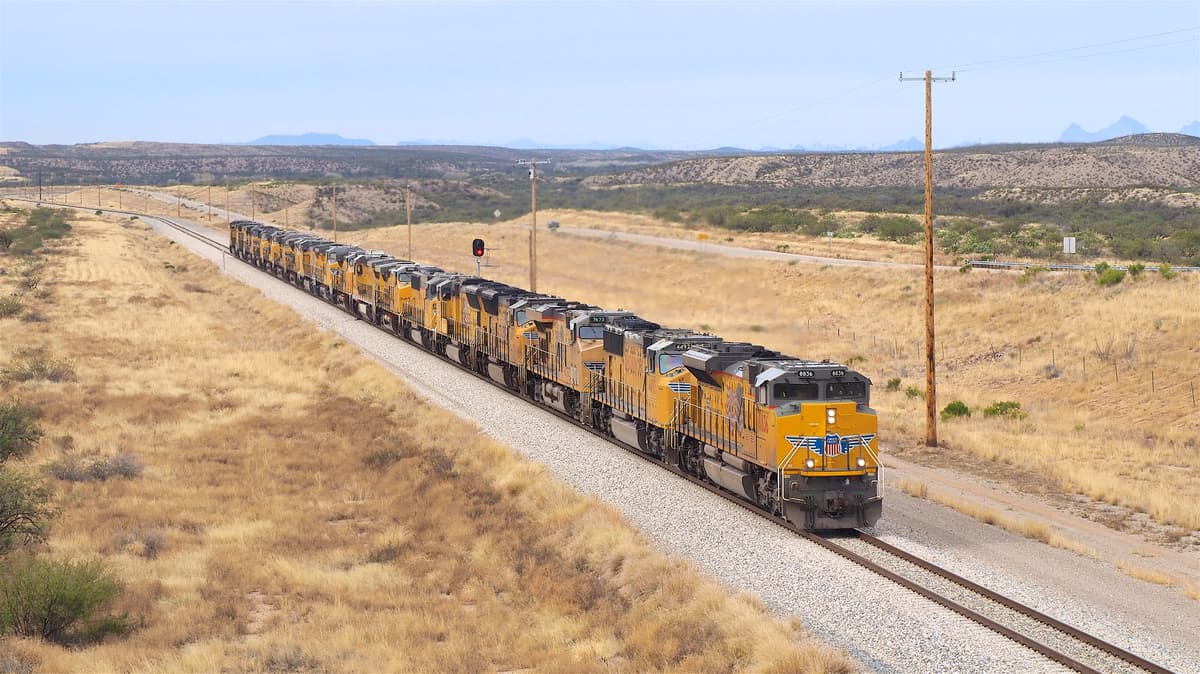
Union Pacific and Norfolk Southern Submit Revised Plan for Transcontinental Rail Merger
Why It Matters
If approved, the merger would reshape North American freight logistics, delivering significant cost reductions for shippers while reducing highway congestion and emissions. It also raises important regulatory and labor considerations for the rail industry.
Key Takeaways
- •Merger could cut $3.5 billion in shipping costs annually
- •Expected to eliminate 2.1 million long‑haul truck trips per year
- •Adds about 1,200 union jobs within three years post‑close
- •Creates a coast‑to‑coast single‑line rail network
- •STB may impose conditions; approval targeted for early 2027
Pulse Analysis
The rail sector has been inching toward consolidation for years, driven by the need to streamline operations and offer shippers more reliable, end‑to‑end service. A unified coast‑to‑coast network would give a single Class I carrier control over key corridors, reducing handoffs that can cause delays and increase costs. By leveraging complete system‑wide traffic data, Union Pacific and Norfolk Southern aim to demonstrate that the combined entity can handle current volumes while positioning itself for future growth in intermodal and bulk commodities, a strategic move as e‑commerce and bulk exports expand.
Beyond operational efficiencies, the proposed merger promises tangible economic benefits. The $3.5 billion annual savings estimate translates into lower freight rates for manufacturers and retailers, potentially boosting competitiveness of U.S. goods abroad. Moreover, cutting 2.1 million truck journeys each year could shave millions of tons of CO₂ emissions, aligning the rail industry with broader sustainability goals and easing pressure on congested interstate highways. These environmental and cost advantages are likely to resonate with both corporate ESG initiatives and public policy makers focused on reducing the nation’s carbon footprint.
Regulatory approval remains the pivotal hurdle. The Surface Transportation Board will scrutinize the deal for antitrust risks, service impacts, and labor implications, especially given the commitment to create 1,200 new union positions while preserving existing jobs. The relinquishment of any controlling stake in the Terminal Railroad Association of St. Louis is a concession aimed at easing competition concerns. If the STB clears the transaction for a first‑half‑2027 close, the rail landscape could shift dramatically, setting a precedent for future mega‑mergers in a sector where scale and network reach are increasingly critical.
Union Pacific and Norfolk Southern Submit Revised Plan for Transcontinental Rail Merger
Comments
Want to join the conversation?
Loading comments...