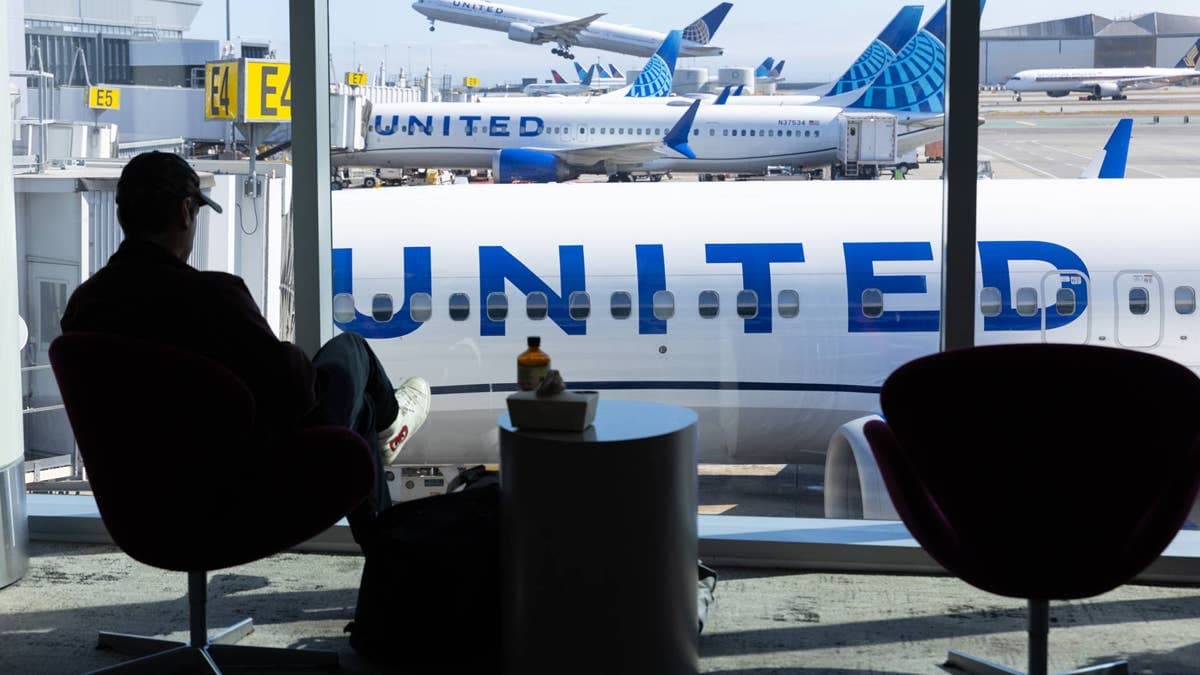
United Airlines Braces Travelers for a Fare Storm
Why It Matters
The moves signal that airlines are passing fuel‑price shocks directly to passengers, reshaping pricing, ancillary revenue, and the value of loyalty programs across the industry.
Key Takeaways
- •United cut 5% of summer capacity, dropping Dubai and Tel Aviv routes.
- •Checked bag fee rose $10 to $45 domestically, second bag $55.
- •New three‑tier premium fares limit perks on Base business class.
- •Jet fuel surge adds $11 B annual cost, double United’s best‑year profit.
- •Experts advise early booking, layovers, and credit‑card perks to offset hikes.
Pulse Analysis
The surge in jet‑fuel costs—up from $2.50 to $4.88 per gallon since the Iran conflict began—has forced United Airlines to confront an $11 billion annual expense gap. That figure eclipses the airline’s best‑year profit of under $5 billion, prompting a swift operational response. United’s March memo highlighted the financial strain, and the carrier’s hedge covering roughly 40% of 2026 fuel needs provides only limited cushioning. As fuel prices remain elevated, the airline’s cost pressures mirror a broader industry trend where carriers are increasingly vulnerable to commodity volatility.
United’s strategy combines capacity reduction, ancillary fee hikes, and a tiered premium‑cabin model. By trimming about 5% of planned Q2‑Q3 flights and suspending long‑haul routes to Dubai and Tel Aviv, United aims to match supply with demand while preserving cash flow. Simultaneously, the airline lifted its first‑checked‑bag fee to $45 and the second bag to $55, a move echoed by Delta and JetBlue. The new three‑tier fare structure—Base, Standard, Flexible—redefines business‑class value, stripping seat selection, extra bags, and lounge access from the lowest tier. Competitors are watching closely, as similar fare segmentation could become the new norm for premium cabins.
For travelers, the immediate takeaway is to act fast and stay flexible. Booking early, targeting 23‑51 days out for domestic trips and 49+ days for international journeys, can lock in pre‑spike fares. Adding layovers typically shaves about 22% off ticket prices, while leveraging United’s co‑branded credit‑card perks or MileagePlus status can offset the higher bag fees. As airlines continue to pass fuel costs to passengers, savvy shoppers who monitor schedule changes and use flexible tickets will be best positioned to manage summer travel budgets despite the lingering price storm.
United Airlines braces travelers for a fare storm
Comments
Want to join the conversation?
Loading comments...