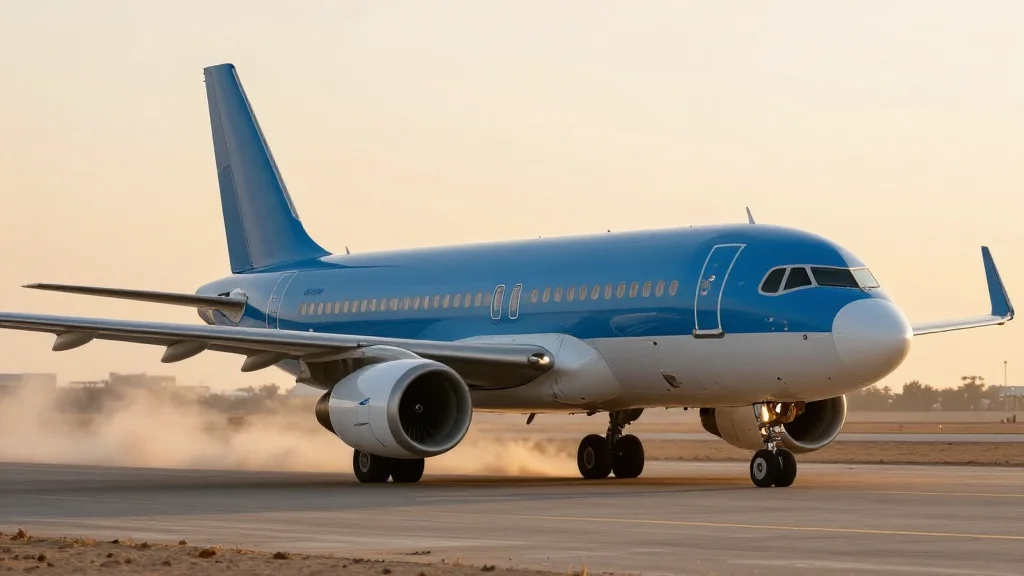
United Airlines Has Only Just Managed to Evacuate All of Its Crew Memebers Out of the Middle East
Key Takeaways
- •United evacuated all pilots and attendants from Dubai
- •Evacuation used desert drive to Jordan, then commercial flights
- •US State Dept warning delayed, prompting criticism
- •Major Middle East carriers also suspended flights through early March
- •Safe air corridors enable limited UAE flights for stranded passengers
Pulse Analysis
The sudden escalation of hostilities following the U.S. and Israeli strikes on Iran forced airlines to confront an unprecedented security crisis in the Middle East. United Airlines, which operated daily flights to Tel Aviv and a codeshare to Dubai, faced the immediate challenge of extracting its crew from a region where airspace was shut down and ground transport routes became hazardous. By coordinating a desert trek to the Jordanian border and leveraging commercial flights out of Riyadh, United managed to repatriate its staff within four days, a logistical feat that underscores the airline’s crisis‑response capabilities.
The ripple effect across the aviation sector has been swift. Major carriers such as Qatar Airways, Emirates, and Etihad have announced flight suspensions extending into early March, while the United Arab Emirates has introduced limited "safe air corridors" to allow essential flights for stranded passengers. These corridors aim to restore up to 80 flights per day, handling roughly 27,000 passengers, but they remain tightly controlled and prioritize those with existing reservations. European airlines are also arranging emergency repatriation from Oman, reflecting a broader industry effort to mitigate passenger disruption while navigating complex diplomatic constraints.
For the airline industry, the episode serves as a stark reminder of the operational vulnerabilities tied to geopolitical flashpoints. Companies must now reassess risk models, invest in real‑time intelligence, and develop flexible evacuation protocols that can be activated within hours. Moreover, the delayed U.S. State Department advisory exposed gaps in government‑airline coordination, prompting calls for more proactive communication channels. As the region stabilizes, airlines that can swiftly adapt to evolving security landscapes will preserve brand trust and maintain market share in a highly competitive environment.
United Airlines Has Only Just Managed to Evacuate All of its Crew Memebers Out of the Middle East
Comments
Want to join the conversation?