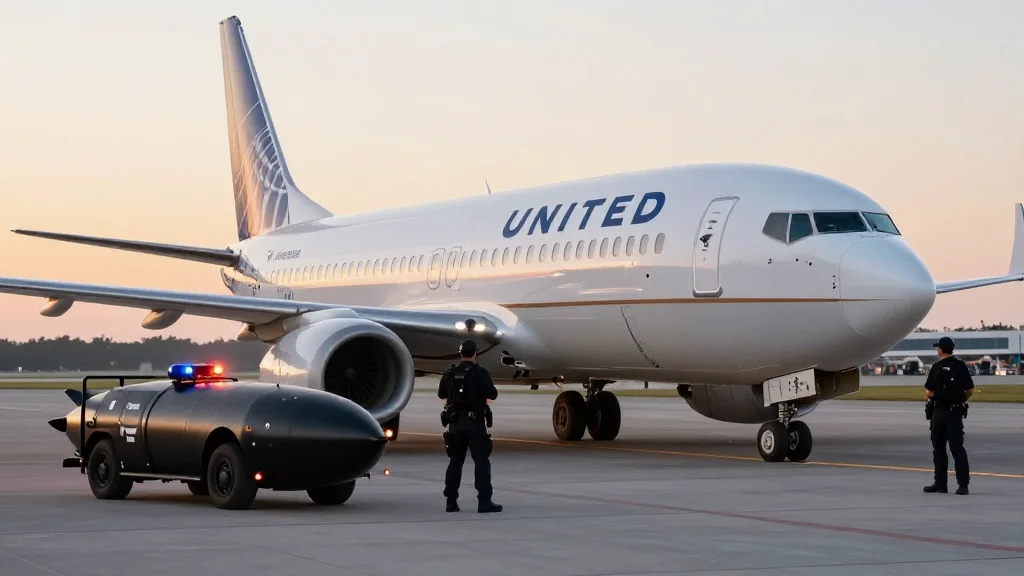
United Airlines Pilots Called in a Bomb Threat when They Heard a Mysterious Beeping on the Plane
Companies Mentioned
Why It Matters
The incident underscores the aviation industry's zero‑tolerance approach to potential threats, prompting costly diversions and operational disruptions. It also highlights the need for clearer diagnostics to differentiate genuine security risks from technical anomalies.
Key Takeaways
- •United diverted Flight 2092 to Pittsburgh after beeping alarm.
- •FBI agents and bomb technicians conducted a sweep with K9 units.
- •Sweep returned negative results, confirming no bomb aboard.
- •Passengers reboarded a replacement aircraft, arriving 6.5 hours late.
- •Incident highlights challenges of distinguishing genuine threats from equipment glitches.
Pulse Analysis
The unexpected beeping on United's Boeing 737 Max triggered an immediate security response, illustrating how airlines and federal agencies prioritize passenger safety above all else. Pilots, trained to treat any unexplained auditory cue as a possible explosive device, alerted air traffic control and initiated a diversion to the nearest suitable airport. Upon landing, FBI special agents and local bomb squad K9 teams performed a systematic sweep, ultimately finding no evidence of a bomb. This rapid, coordinated effort reflects the rigorous protocols that have evolved since the early 2000s to mitigate terror threats in commercial aviation.
Operationally, the diversion imposed significant delays and logistical challenges for United. The original flight was rerouted, passengers were evacuated, and a standby aircraft was deployed, resulting in a 6.5‑hour arrival lag at LaGuardia. While the airline covered rebooking costs and accommodations, such incidents can erode customer confidence and inflate operational expenses. Regulators, including the FAA, may scrutinize the event to determine whether aircraft systems generated a false alarm, prompting potential advisory notices or technical bulletins. United's public statement emphasized a "potential security concern," a phrasing that balances transparency with the need to avoid speculation about equipment failures.
The broader industry sees a rise in false alarms stemming from increasingly complex avionics and sensor suites. Distinguishing between a legitimate threat and a malfunctioning alarm requires advanced diagnostics and real‑time data sharing between manufacturers, airlines, and security agencies. As airlines invest in predictive maintenance and AI‑driven monitoring, the goal is to reduce unnecessary diversions while preserving the stringent safety net that passengers expect. This incident serves as a reminder that while technology enhances safety, it also introduces new variables that must be managed through robust training, clear communication, and continuous system improvements.
United Airlines pilots called in a bomb threat when they heard a mysterious beeping on the plane
Comments
Want to join the conversation?
Loading comments...