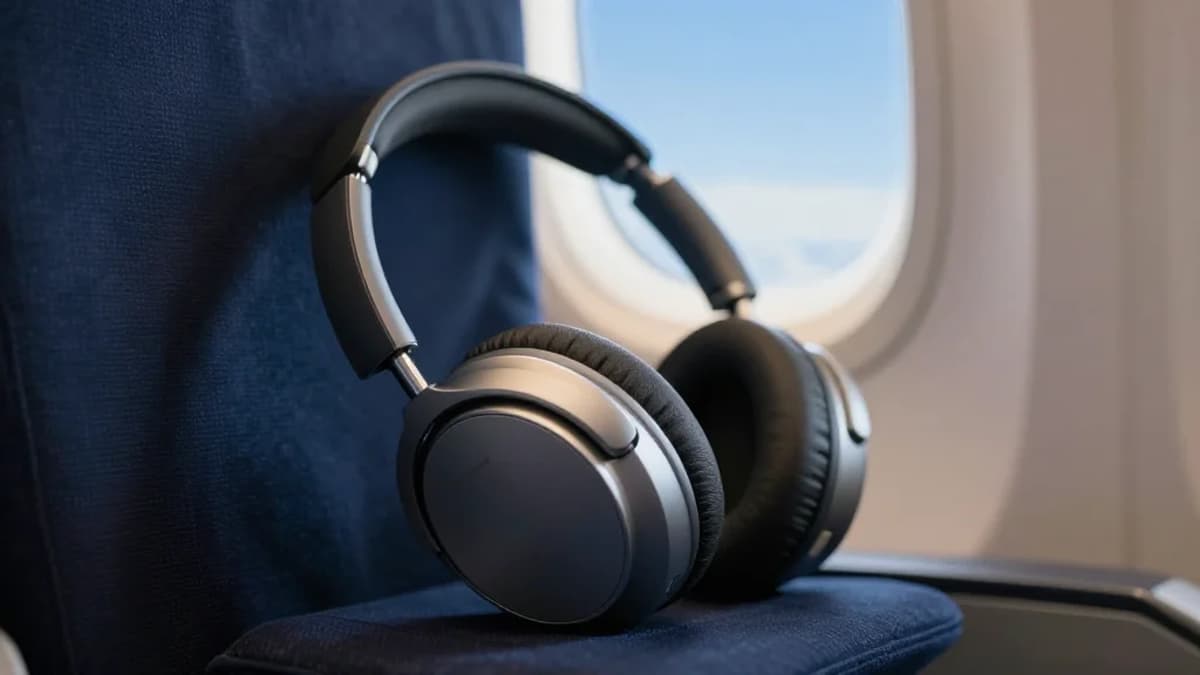
United Airlines Threatens to Ban Customers Who Don’t Use Headphones
•March 10, 2026
0
Companies Mentioned
Why It Matters
The rule strengthens United’s cabin environment, reducing noise disruptions and protecting the in‑flight Wi‑Fi experience, while setting a precedent that could influence other airlines’ passenger conduct policies.
Key Takeaways
- •United bans loud audio without headphones, permanent ban possible
- •Rule effective Feb 27, 2026, per contract of carriage
- •Violators receive free headphones before removal or ban
- •First US airline to enforce such a headphone policy
- •Other ban triggers include assault, intoxication, barefoot travel
Pulse Analysis
Air travel has long grappled with the challenge of balancing personal entertainment and collective comfort. While most carriers have politely reminded passengers to use headphones, United Airlines is the first U.S. airline to embed the requirement into its contract of carriage, making non‑compliance a transport‑refusal offense. The policy takes effect on February 27, 2026, coinciding with United’s rollout of Starlink‑powered Wi‑Fi, which promises higher bandwidth for streaming. By mandating headphones, United aims to preserve the quality of its onboard network and minimize the noise that can disturb nearby travelers. The rule also supports United’s effort to meet evolving passenger expectations for a quieter, more personalized cabin environment.
The enforcement mechanism is stark: first‑time offenders receive a complimentary pair of headphones, but repeat violations can lead to removal from the cabin and a permanent ban from United’s fleet. This approach mirrors the airline’s broader safety and conduct standards, which already include bans for assault, intoxication, or even traveling barefoot. Legal experts note that the clause falls under the Refusal of Transport provision, giving United discretionary power to deny service without violating passenger rights, provided the rule is clearly disclosed in the contract.
United’s headphone mandate could ripple across the industry, prompting competitors to adopt similar language to protect their in‑flight Wi‑Fi investments and improve cabin ambiance. Passengers may respond by arriving better prepared with personal earbuds or by selecting airlines with more relaxed policies. The move also aligns with recent regulatory discussions in Europe, where lawmakers have proposed fines for loud music on public transport. As airlines increasingly leverage high‑speed connectivity, enforcing quiet zones may become a standard component of the modern travel experience.
United Airlines threatens to ban customers who don’t use headphones
0
Comments
Want to join the conversation?
Loading comments...