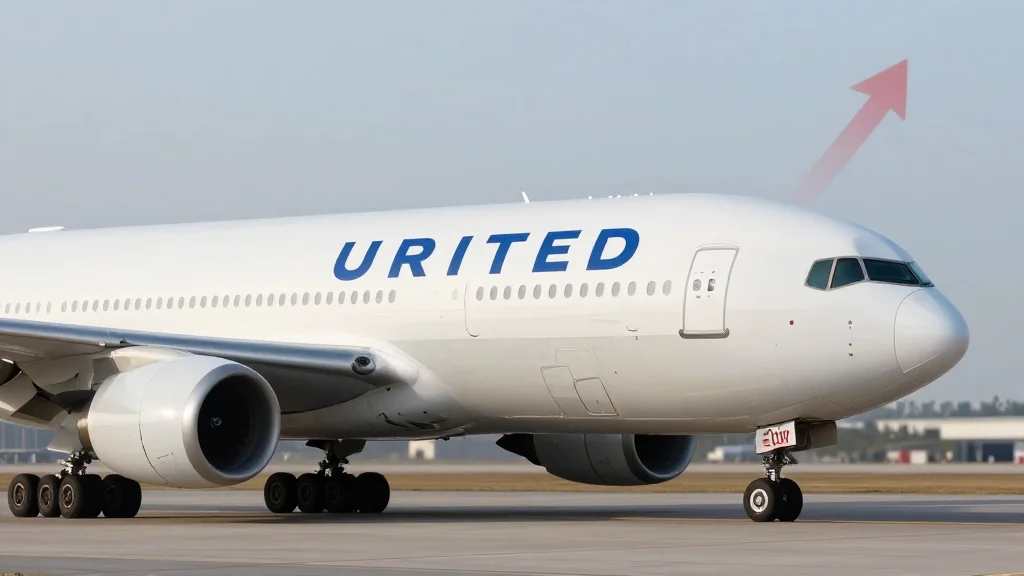
United Airlines to Impose ‘Market Disruption’ Surcharge on Cargo
Companies Mentioned
Why It Matters
The surcharge highlights how geopolitical fuel shocks are forcing legacy carriers to shift cost burdens onto shippers, reshaping cargo pricing dynamics and competitive positioning in the air freight market.
Key Takeaways
- •United adds market disruption surcharge to cargo shipments effective May 1
- •Jet fuel costs have nearly doubled since late February, pressuring margins
- •United's Q1 cargo revenue fell 1.6% despite industry growth
- •Competitors Delta and American posted double‑digit cargo revenue gains
- •Schiphol offers 10% airport‑charge discount to offset fuel price surge
Pulse Analysis
United Airlines announced a new “market disruption fee” for cargo customers beginning May 1, a direct response to the sharp rise in jet fuel prices triggered by the Israel‑Iran conflict that erupted at the end of February. Jet fuel, the airline’s second‑largest expense after labor, has almost doubled, squeezing profit margins across the sector. United’s surcharge is region‑specific and bundled with other cost pressures from suppliers and partners, mirroring recent moves by the U.S. Postal Service and other logistics firms that are adding fuel‑related levies to protect earnings.
Despite a 6.5% global cargo market expansion in the first two months of 2024 and spot‑rate jumps of 25‑40% since March, United’s first‑quarter cargo revenue slipped 1.6% year‑over‑year to $422 million, a surprise in a period when rivals posted double‑digit gains. Delta’s cargo earnings rose 9% to $226 million and American’s increased 12.9% to $219 million, underscoring United’s vulnerability to fuel‑driven cost spikes. To curb exposure, the airline plans a 5% capacity reduction for the remainder of the year, aiming to balance load factors with higher operating expenses.
The surcharge reflects a broader industry scramble to offset soaring inputs. Amsterdam Schiphol announced a temporary 10% cut to airport charges through March 2027, while Lufthansa Group will trim 20,000 flights at its European hubs over the next six months to save fuel. Such measures signal that airlines are willing to sacrifice capacity and pass costs onto shippers to preserve cash flow. For cargo forwarders, the evolving fee landscape adds pricing complexity, prompting tighter contract negotiations and a reassessment of route profitability amid ongoing geopolitical volatility.
United Airlines to impose ‘market disruption’ surcharge on cargo
Comments
Want to join the conversation?
Loading comments...