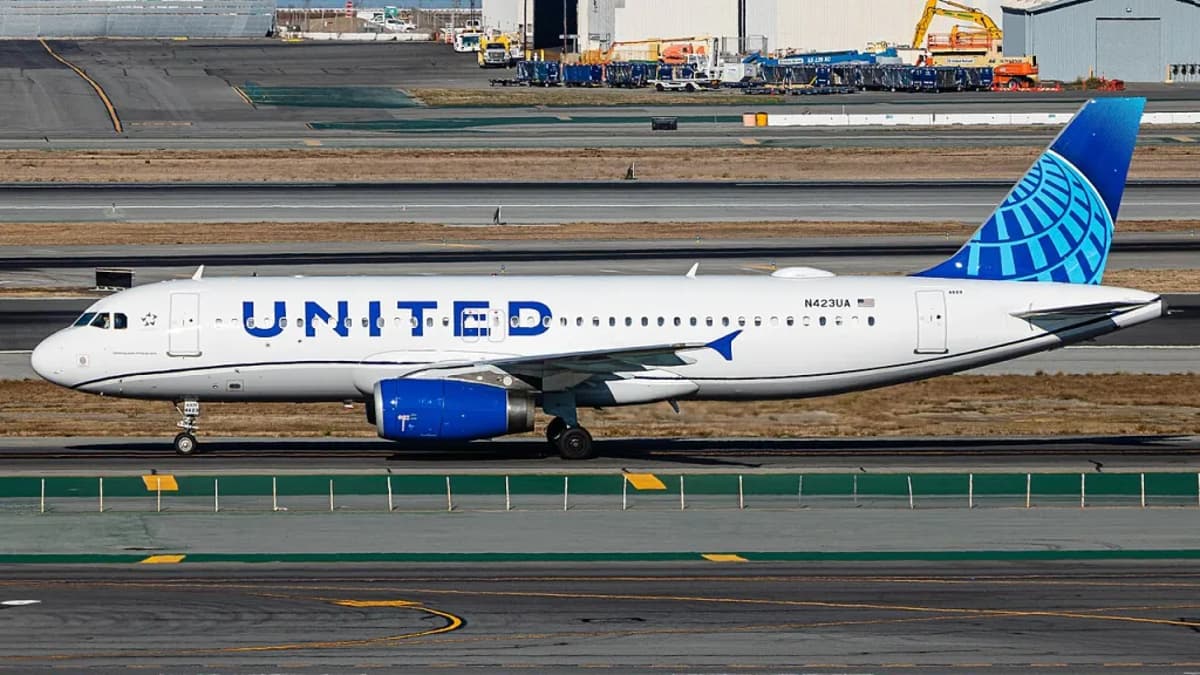
United CEO Still Wants a Merger With American: ‘This Would Be Really Good for Consumers’
Why It Matters
A combined United‑American entity could reshape domestic competition, potentially lowering fares and expanding global routes, while also triggering heightened antitrust scrutiny.
Key Takeaways
- •United sees merger boosting consumer choice and global reach
- •American's CEO Robert Isom blocks deal over antitrust worries
- •Union and shareholder support may outweigh management resistance
- •Merger could reshape U.S. airline market concentration
- •Labor disputes pressure American to explore strategic options
Pulse Analysis
The U.S. airline industry has been inching toward consolidation for more than a decade, with Delta‑Northwest, Southwest‑AirTran and the failed US Airways‑American tie‑up illustrating both the allure and the challenges of mega‑mergers. Proponents argue that a United‑American combination would generate economies of scale, streamline scheduling, and give the new carrier a more robust network to compete with global rivals such as Lufthansa and Emirates. For passengers, the promise is broader route choices, smoother connections, and potentially lower ticket prices driven by operational efficiencies.
Regulators, however, remain wary. The Department of Justice has historically blocked deals that could reduce competition on key domestic corridors, and the merger would likely trigger a detailed antitrust review. American’s leadership, led by Robert Isom, has publicly framed the proposal as anticompetitive, emphasizing the risk of higher fares and reduced service quality. Meanwhile, labor unions on both sides have expressed tentative support, seeing a larger airline as a platform for better bargaining power and job security. The clash between management resistance and stakeholder enthusiasm defines the current impasse.
If the merger eventually clears legal hurdles, the resulting airline could command over 30 percent of U.S. passenger traffic, reshaping market dynamics and forcing rivals to rethink pricing and capacity strategies. Such scale would also give the combined carrier leverage in negotiating aircraft purchases and airport slots, potentially lowering capital costs. Conversely, a failed deal may push American to accelerate its premium‑product overhaul and cost‑cutting measures, while United might explore alternative partnerships or alliances. Stakeholders will watch closely as the negotiation unfolds, because the outcome will reverberate across the entire aviation ecosystem.
United CEO Still Wants a Merger With American: ‘This Would Be Really Good for Consumers’
Comments
Want to join the conversation?
Loading comments...