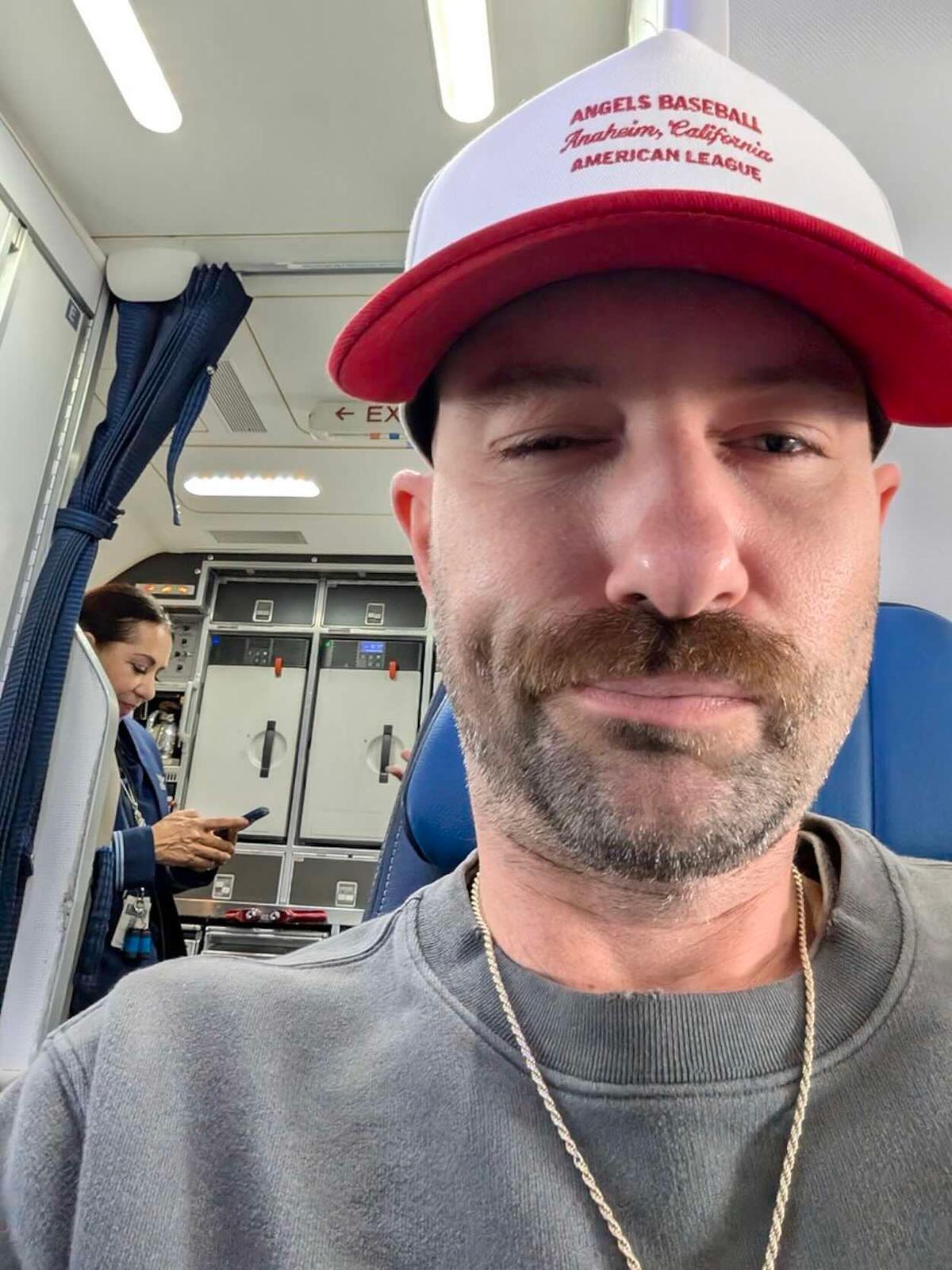
United Flight Attendant Gave A Passenger “The Hand” And Boarding Pay Won’t Fix It
Companies Mentioned
Why It Matters
Rude frontline behavior erodes United’s brand‑loyalty strategy, and without cultural change, higher wages will not translate into better passenger experiences.
Key Takeaways
- •Passenger reports flight attendant gave “the hand” over empty cup
- •United negotiated boarding pay, yet attitude problems remain
- •Service culture, not pay, determines airline brand loyalty
- •Employee engagement essential for United’s premium experience goals
- •New contract may raise wages but won’t fix rudeness
Pulse Analysis
United Airlines is betting on a premium experience to win back high‑value travelers, investing in new cabins, seat‑back screens, and a revamped app. Yet the recent social‑media flashpoint—a flight attendant gesturing dismissively to a passenger requesting a simple cup disposal—exposes a deeper service‑culture gap. While United’s tentative labor agreement adds boarding pay, a modest hourly premium for the pre‑takeoff hustle, the episode shows that compensation tweaks rarely shift ingrained attitudes. Front‑line staff who view routine requests as annoyances can quickly undermine the airline’s brand‑loyalty narrative, especially as competitors emphasize seamless, courteous service.
Compensation structures in the airline industry have long balanced higher in‑flight rates against lower ground‑time pay, a model that United’s unions have defended for years. The new boarding‑pay clause aims to recognize the physical and mental load of pre‑departure duties, but it does not address training, empowerment, or performance incentives that drive genuine hospitality. Studies of airline customer satisfaction consistently rank employee demeanor above amenities, meaning United must pair wage improvements with robust culture‑building programs—coaching, real‑time feedback, and clear accountability—to translate higher pay into higher service quality.
For United’s brand‑loyalty ambitions to succeed, leadership must treat service culture as a strategic asset, not a side effect of labor negotiations. By aligning compensation with clear behavioral expectations and rewarding positive passenger interactions, the carrier can turn isolated incidents like the "hand" gesture into teachable moments rather than headlines. In a market where travelers can easily switch airlines, the combination of fair pay, consistent training, and a genuine service mindset will be the true differentiator that sustains loyalty and justifies premium pricing.
United Flight Attendant Gave A Passenger “The Hand” And Boarding Pay Won’t Fix It
Comments
Want to join the conversation?
Loading comments...