University of Ljubljana Tops the Competition at AIAA’s Design/Build/Fly
Why It Matters
The win showcases how advanced simulation and rapid‑prototyping can give student teams a competitive edge, reinforcing the value of hands‑on aerospace curricula for future industry talent.
Key Takeaways
- •University of Ljubljana won AIAA DBF competition with $3,000 prize
- •1,179 students from 89 teams set record participation
- •Team used Python simulations achieving 99.4% accuracy
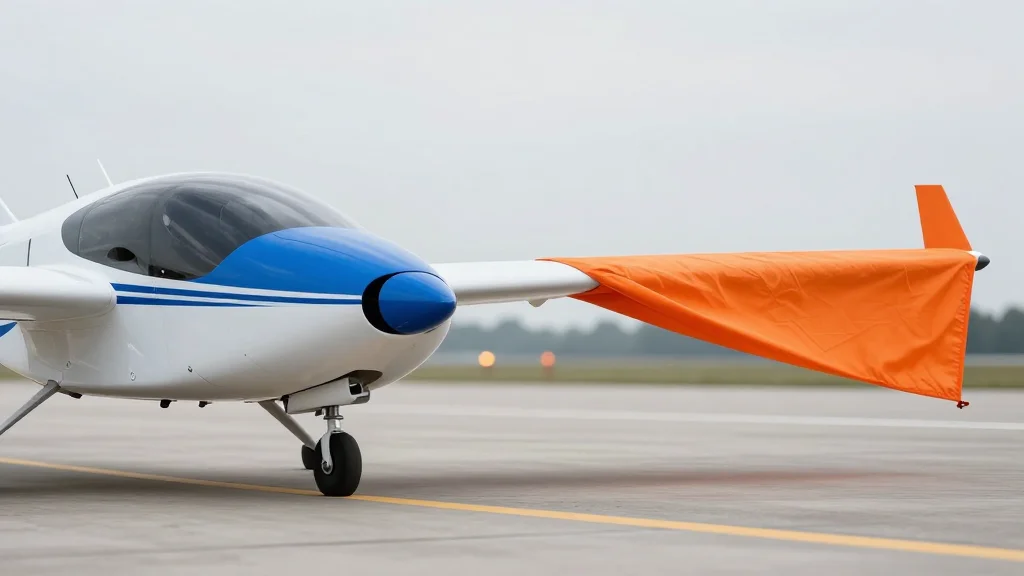
- •First banner‑towing mission introduced, Ljubljana flew 4.6 m banner
- •Weather disruptions tested teams’ resilience and real‑world design skills
Pulse Analysis
The AIAA Design/Build/Fly (DBF) contest has become a benchmark for collegiate aerospace programs, offering participants a sandbox that mirrors commercial aviation challenges. This year’s event set a participation record, drawing 1,179 students from 89 teams in 12 nations, underscoring the growing global appetite for experiential engineering education. By simulating payload handling, banner towing, and rapid ground operations, DBF pushes students beyond textbook theory into the realm of systems integration, risk management, and operational logistics—skills that are directly transferable to the aerospace supply chain.
Ljubljana’s victory hinged on a data‑driven design workflow. The team wrote custom Python scripts to run thousands of aerodynamic and structural simulations, achieving a reported 99.4% prediction accuracy for flight performance. Their electric‑powered BRVINC not only met the stringent flight‑profile criteria but also maximized banner length, flying a 4.6‑meter banner for seven laps—a first in DBF history. This blend of high‑fidelity modeling and agile prototyping illustrates how university labs can rival professional R&D environments, especially when budget constraints demand innovative, low‑cost solutions.
Industry observers see the DBF platform as a talent incubator. Real‑time problem solving under weather‑induced time pressure mirrors the constraints faced by commercial charter operators and defense contractors. Moreover, the competition’s first live‑stream broadened visibility, allowing aerospace firms to scout emerging engineers and assess cutting‑edge academic research. As universities continue to integrate electric propulsion and autonomous control into their curricula, events like DBF will likely shape the next generation of aircraft designers, reinforcing the pipeline of skilled professionals needed for a rapidly evolving aerospace sector.
University of Ljubljana tops the competition at AIAA’s Design/Build/Fly
Comments
Want to join the conversation?
Loading comments...