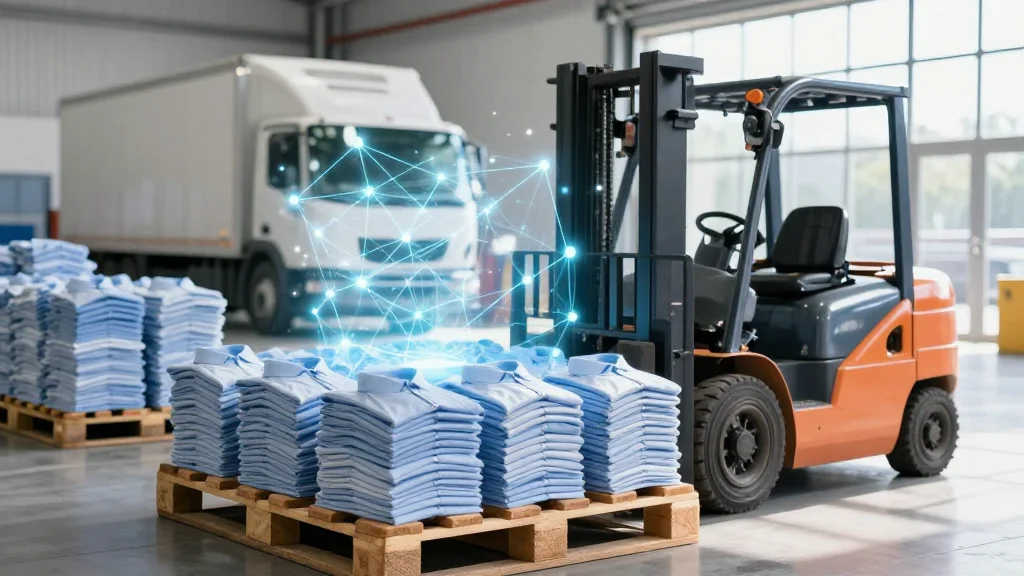
University of New Haven Launches US Supply Chain Resiliency Hub
Why It Matters
The hub bridges academia and industry to strengthen U.S. manufacturing resilience, offering immediate tools that can reduce supply‑chain risk and support domestic production growth.
Key Takeaways
- •Hub merges i5's CONNEX Marketplace with UNH academic resources.
- •Manufacturers gain digital tools for supplier discovery and risk reduction.
- •Students receive internships and applied research projects in supply chain.
- •Three‑year MOU includes referral commissions and joint research funding.
- •Full hub rollout planned for month four after pilot assessments.
Pulse Analysis
The United States has been grappling with supply‑chain disruptions since the pandemic and recent geopolitical tensions, prompting policymakers and executives to prioritize resiliency. A fragmented supplier base, over‑reliance on overseas components, and limited visibility have exposed vulnerabilities that can halt production lines. In response, a growing number of regional initiatives are emerging to provide manufacturers with real‑time risk analytics, diversified sourcing options, and tools to simulate disruption scenarios. The University of New Haven’s Supply Chain Resiliency Hub adds a dedicated, technology‑driven resource to this national effort.
The hub leverages i5 Services’ CONNEX Marketplace, a cloud‑based platform that aggregates verified supplier data and performance metrics. By embedding this technology within the university’s research centers, students and faculty can conduct applied projects that test sourcing strategies, evaluate risk mitigation techniques, and develop predictive models. The partnership also creates a pipeline of internships and capstone experiences, allowing the next generation of logistics professionals to work on live industry challenges. Such collaboration accelerates knowledge transfer, reduces the time needed for manufacturers to adopt best‑in‑class resiliency practices.
With a three‑year memorandum of understanding, the hub anticipates generating referral commissions and joint research funding that can sustain its operations beyond the pilot phase. Early adopters will benefit from streamlined supplier discovery, lower procurement risk, and faster reshoring decisions, potentially boosting domestic production volumes. For the broader economy, a more resilient manufacturing ecosystem can improve supply‑chain reliability, support job growth in high‑skill logistics roles, and enhance the United States’ competitive edge in global markets. Scaling the model nationally could become a blueprint for university‑industry partnerships across other critical sectors.
University of New Haven launches US supply chain resiliency hub
Comments
Want to join the conversation?
Loading comments...