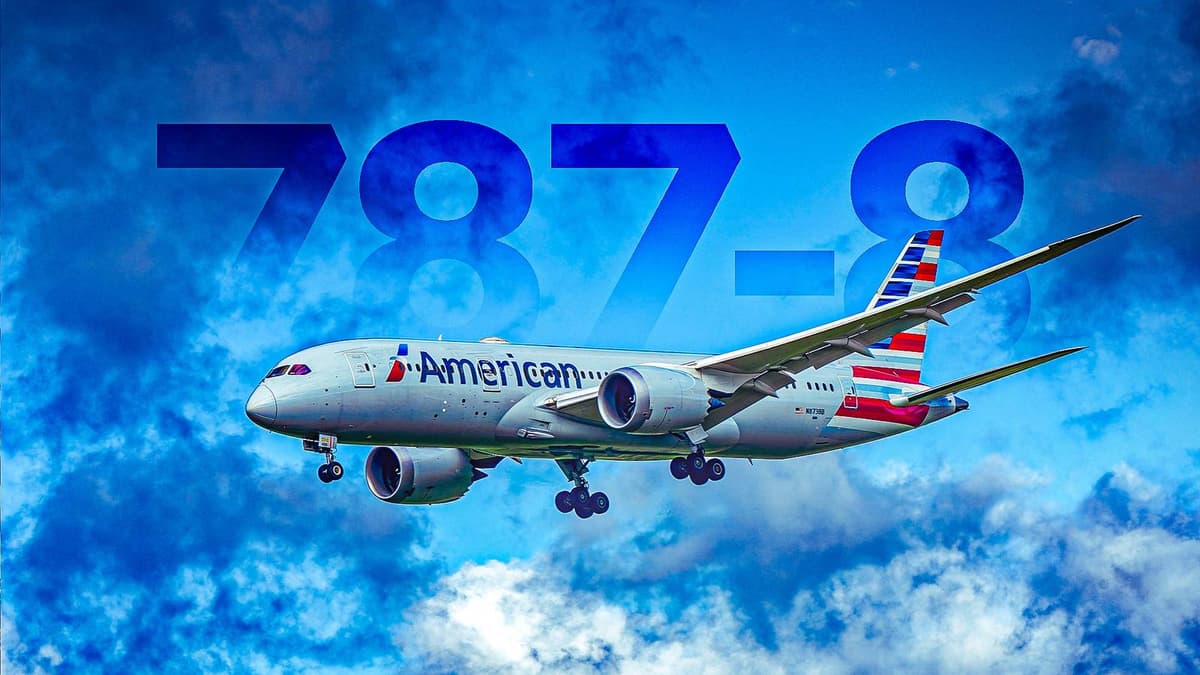
Unlucky Again? American Airlines Boeing 787 Remains Grounded 1 Month After Madrid Incident
•March 6, 2026
0
Why It Matters
The string of grounding events strains AA’s maintenance capacity and could erode passenger confidence, prompting tighter regulatory scrutiny of its aging Dreamliner fleet.
Key Takeaways
- •787 grounded in Spain after nose‑gear damage, ferried to Tulsa.
- •Multiple AA Dreamliner incidents occurred within weeks, raising reliability concerns.
- •Other fleet issues include bullet‑punctured wing and 737 tail strike.
- •AA’s Tulsa and Dallas facilities handling extensive repairs.
- •Incident highlights need for tighter maintenance oversight.
Pulse Analysis
The recent Madrid nose‑gear failure highlights how unexpected mechanical issues can cascade into costly operational disruptions for major carriers. While American Airlines swiftly relocated the aircraft to its Tulsa Tech Ops center, the logistics of sourcing spare parts and scheduling extensive repairs divert resources from routine service. For airlines operating a mixed fleet, such unplanned maintenance events amplify the importance of robust supply‑chain partnerships and real‑time diagnostic tools that can predict component fatigue before failure occurs.
Beyond the 787, American’s recent bullet‑punctured wing discovery in Miami and a 737‑800 tail‑strike in Tampa illustrate a broader pattern of safety incidents across its fleet. Each event triggers regulatory reporting, passenger compensation, and potential reputational damage, especially when incidents receive high‑visibility media coverage. Airlines must therefore balance cost‑effective maintenance strategies with proactive safety programs, leveraging predictive analytics and enhanced crew training to mitigate the likelihood of similar occurrences.
Historically, the 2025 Dreamliner series of flap and hydraulic malfunctions already strained AA’s operational resilience, leading to multiple diversions and flight cancellations. The cumulative effect of these setbacks may pressure the carrier to accelerate fleet renewal or invest in more rigorous inspection regimes. Stakeholders, from investors to frequent flyers, will be watching how American Airlines addresses these reliability concerns, as sustained confidence hinges on transparent communication and demonstrable improvements in aircraft upkeep.
Unlucky Again? American Airlines Boeing 787 Remains Grounded 1 Month After Madrid Incident
0
Comments
Want to join the conversation?
Loading comments...