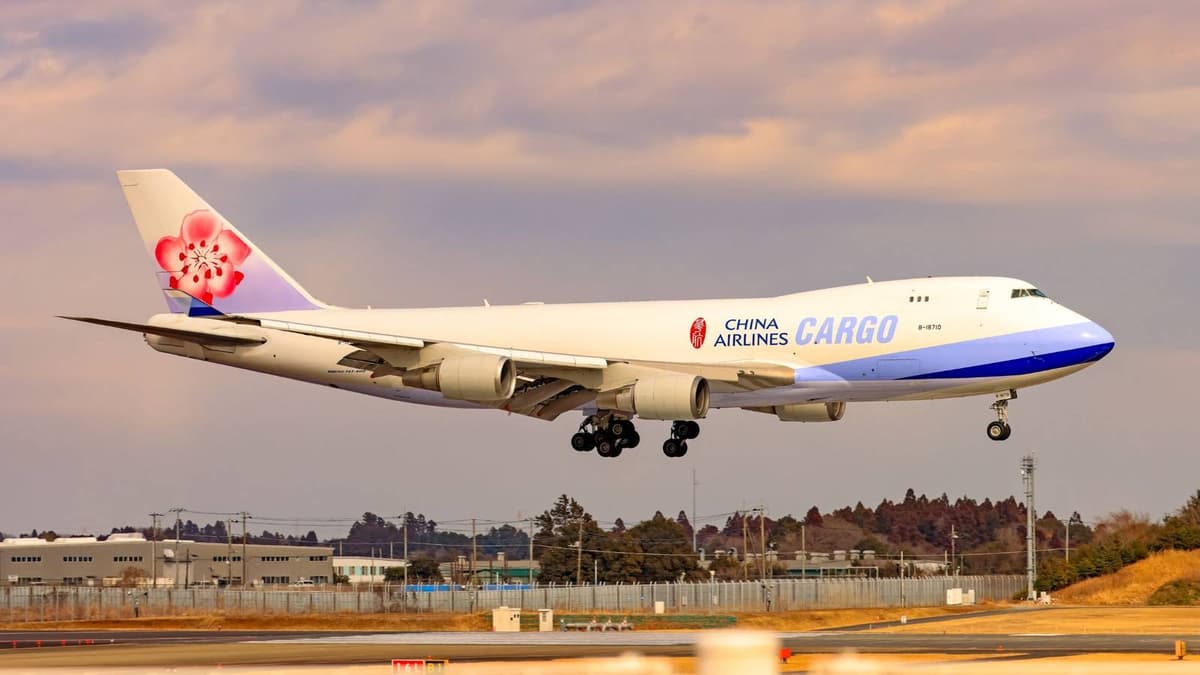
Unusual Visitor: Boeing 747 Diverts To Whitehorse After Smoke Indication
Companies Mentioned
Why It Matters
The diversion highlights how stringent safety protocols protect crew and cargo, while also exposing the operational costs and logistical challenges of unscheduled landings for global freight carriers.
Key Takeaways
- •China Airlines 747-400F diverted to Whitehorse after cargo‑compartment smoke alert
- •Crew declared emergency, landed safely; no injuries or fire reported
- •Diversion underscores strict aviation safety protocols for potential onboard fires
- •Remote airports like YXY are critical for trans‑pacific cargo route resilience
Pulse Analysis
The April 18 incident underscores the aviation industry's zero‑tolerance approach to fire hazards, especially in cargo aircraft where combustible freight can amplify risk. Modern Boeing 747 freighters are equipped with multiple smoke detection systems that feed real‑time alerts to the flight deck, prompting crews to declare an emergency at the first sign of trouble. By diverting to the nearest suitable airport, pilots mitigate the possibility of an onboard blaze escalating, preserving both crew safety and the high‑value goods typically carried on trans‑Pacific routes.
Whitehorse International Airport, though remote, plays a pivotal role in the northern corridor that many Asia‑Pacific carriers use to shave flight time. Its runway length, fire‑fighting equipment, and 24‑hour emergency readiness make it an ideal diversion point for large aircraft like the 747‑400F. While the unscheduled landing incurs fuel costs, crew overtime, and potential cargo delays, the alternative—continuing to the original destination with an unresolved smoke indication—poses far greater financial and reputational risk. Airlines factor these contingency expenses into their operational budgets, recognizing that safety‑first diversions are a cost of doing business in a global logistics network.
For the aging Boeing 747 fleet, incidents such as this reinforce the importance of ongoing maintenance and retrofits that keep older airframes compliant with contemporary safety standards. Regulators worldwide monitor smoke‑indication events closely, often mandating detailed post‑flight inspections and, when necessary, component replacements. As cargo demand grows and newer, fuel‑efficient freighters enter service, airlines must balance the reliability of proven workhorses like the 747 against the economics of fleet renewal. The Whitehorse diversion serves as a reminder that robust safety culture, supported by well‑equipped diversion airports, remains the cornerstone of resilient air freight operations.
Unusual Visitor: Boeing 747 Diverts To Whitehorse After Smoke Indication
Comments
Want to join the conversation?
Loading comments...