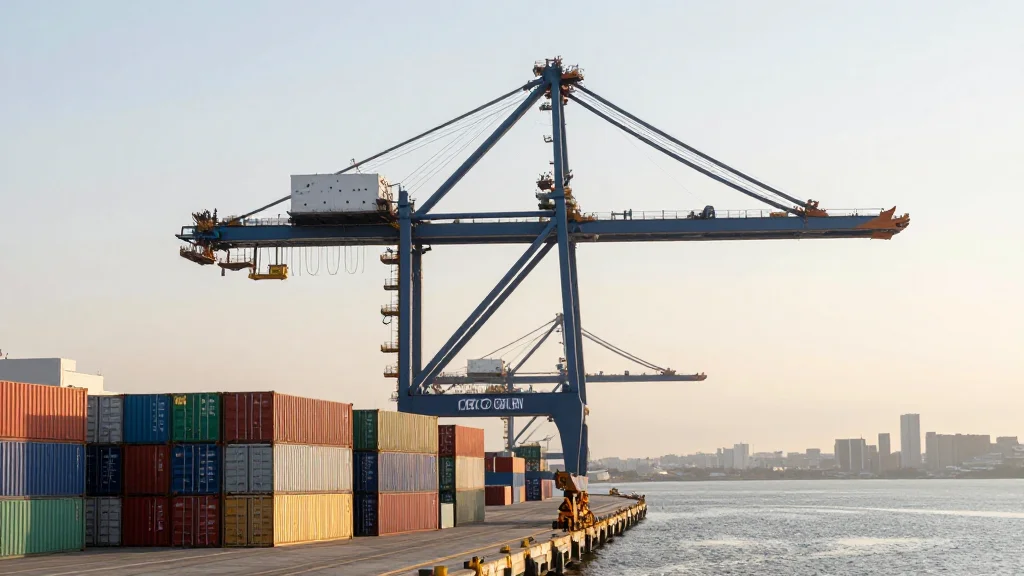
Ups and Downs at the Port of Los Angeles (Episode 213)
Why It Matters
Port disruptions directly affect the cost and speed of U.S. imports, influencing inflation and corporate margins. Addressing bottlenecks is critical for maintaining the United States’ competitive edge in global trade.
Key Takeaways
- •Port of LA container volumes fell 8% YoY in April 2026
- •Labor contract negotiations triggered a three‑day slowdown in early May
- •Importers faced $1.2 billion extra costs due to congestion
- •Federal officials urged infrastructure upgrades to boost berth efficiency
Pulse Analysis
The Port of Los Angeles processes roughly 40% of U.S. imports, making it a bellwether for national supply‑chain health. Recent data shows an 8% year‑over‑year decline in container throughput for April 2026, reflecting lingering effects of pandemic‑era labor shortages and equipment shortages. When dockworkers entered a brief contract standoff in early May, the resulting three‑day slowdown amplified already‑tight berth availability, pushing dwell times to record highs. These operational setbacks ripple through downstream logistics, inflating freight rates and eroding profit margins for import‑dependent manufacturers.
Beyond the immediate cost impact—importers reported an estimated $1.2 billion in additional expenses—policy makers see the port’s woes as a symptom of underinvestment in critical maritime infrastructure. Federal agencies have renewed calls for modernizing berths, expanding automated handling systems, and streamlining customs procedures. Such upgrades could lift berth productivity by up to 15%, according to a recent Congressional Budget Office estimate, and help the United States recapture lost market share in trans‑Pacific trade.
Looking ahead, the episode underscores the strategic importance of aligning trade policy with infrastructure planning. As the U.S. negotiates new trade agreements in the Indo‑Pacific, reliable port capacity will be a decisive factor for exporters and importers alike. Stakeholders are watching whether forthcoming legislation—like the Port Modernization Act—will secure the funding and regulatory flexibility needed to prevent future bottlenecks. In a global economy where speed and cost efficiency dictate competitiveness, the Port of Los Angeles serves as both a warning sign and an opportunity for systemic improvement.
Ups and downs at the Port of Los Angeles (Episode 213)
Comments
Want to join the conversation?
Loading comments...