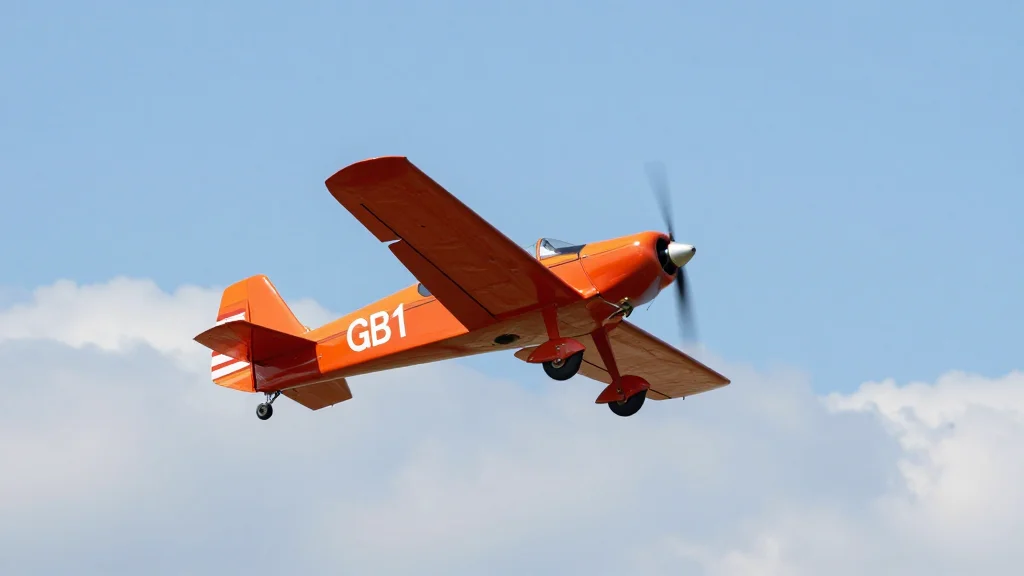
Upside Down in a Gamebird: Experiencing Thrust Flight’s Aerobatics
Why It Matters
Providing aerobatic exposure equips future flight instructors with advanced handling skills, raising overall safety and competence in general aviation training. The initiative differentiates Thrust Flight in a competitive flight‑school market, potentially attracting higher‑quality students.
Key Takeaways
- •Thrust Flight adds aerobatics to its CFI curriculum in Addison, Texas.
- •Training includes spins, unusual attitude recovery, and basic to intermediate maneuvers.
- •CEO aims to produce pilots with superior handling beyond standard trainers.
- •Top graduates may join a new Thrust Flight aerobatic demonstration team.
- •Program offers hands‑on experience in a GameBird GB1 aerobatic aircraft.
Pulse Analysis
Aerobatic training has traditionally been the domain of specialized clubs, but flight schools are increasingly recognizing its value for instructor development. Mastery of spins, inverted flight, and rapid attitude recovery sharpens a pilot’s instinctive responses, which translates into safer handling of unexpected situations in any aircraft. As the general aviation fleet ages and traffic density grows, regulators and insurers are urging more rigorous skill sets, making aerobatic exposure a compelling differentiator for training providers.
Thrust Flight’s new program embeds these advanced maneuvers directly into its CFI pathway, using the lightweight GameBird GB1—a purpose‑built aerobatic trainer known for its responsive controls and forgiving stall characteristics. Students receive hands‑on instruction in spin entry and recovery, unusual attitude drills, and a progression of basic to intermediate figures, all under the supervision of seasoned aerobatic pilots. By coupling theory with real‑world execution, the school aims to produce instructors who can confidently demonstrate and teach recovery techniques, thereby elevating the overall instructional standard across its network.
The broader market impact could be significant. Flight schools that adopt similar integrated aerobatic modules may see higher enrollment rates, as aspiring instructors seek programs that promise a competitive edge. Additionally, the formation of an aerobatic demonstration team provides a marketing platform that showcases pilot proficiency and the school’s commitment to excellence. As the industry leans toward more comprehensive training models, Thrust Flight’s approach may set a new benchmark for CFI curricula, influencing curriculum design and safety standards nationwide.
Upside Down in a Gamebird: Experiencing Thrust Flight’s Aerobatics
Comments
Want to join the conversation?
Loading comments...