U.S. and China Agree to Ban Shipping Toll Fees in Strait of Hormuz

Why It Matters
The Strait of Hormuz is a linchpin of the global energy supply chain; roughly 20% of the world’s oil and gas passes through it daily. By agreeing to block tolls, the United States and China aim to prevent an additional financial burden on shippers that could exacerbate price spikes and supply shortages. The move also signals a rare diplomatic convergence between the two largest economies, potentially easing market fears and encouraging insurers and freight operators to maintain coverage for voyages through the waterway. Beyond immediate logistics, the agreement tests the limits of U.S. and Chinese influence over Iran. If Tehran accepts a toll‑free regime, it could weaken its leverage in negotiations over nuclear and regional issues. Conversely, a failure to implement the pact could embolden Iran to continue using the strait as a bargaining chip, keeping global oil markets volatile and prompting further sanctions or military posturing.
Key Takeaways
- •U.S. Secretary of State Marco Rubio and Chinese FM Wang Yi agreed no tolls may be levied on Strait of Hormuz traffic.
- •The strait carries about one‑fifth of global oil and gas supplies, making tolls a potentially market‑shaking cost.
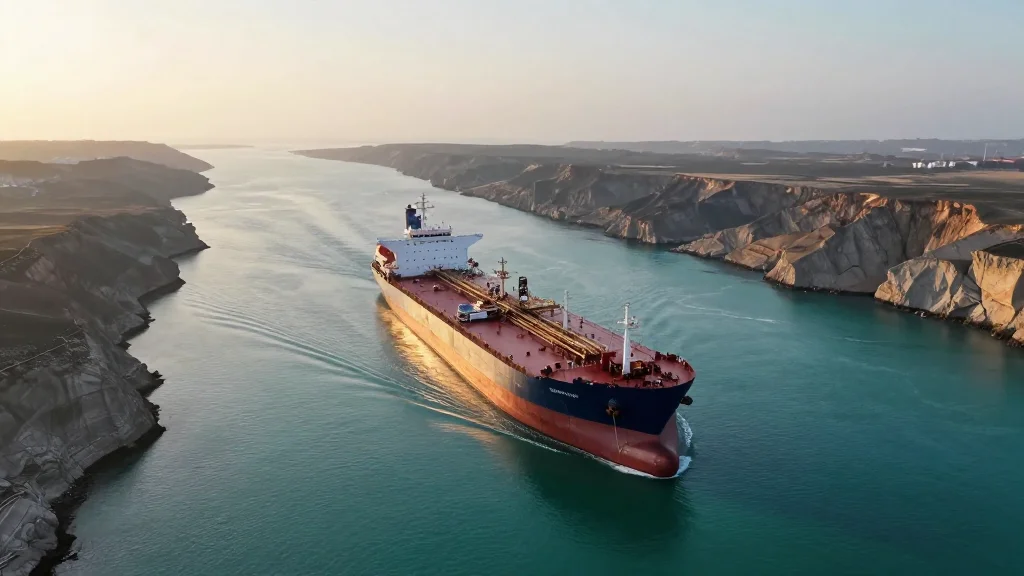
- •Chinese supertanker Yuan Hua Hu moved 2 million barrels of Iraqi crude through the strait on May 10, showing commercial activity continues.
- •A UN resolution backed by 112 nations calls for freedom of navigation, but faces possible Chinese and Russian vetoes.
- •President Trump, before his Beijing summit, said the U.S. does not need China’s help to resolve the Iran conflict.
Pulse Analysis
The U.S.–China toll‑free accord reflects a pragmatic, issue‑specific alignment that cuts across broader strategic rivalry. Historically, both powers have leveraged the Hormuz corridor to pressure Tehran—Washington through sanctions and naval presence, Beijing through oil purchases and diplomatic backing. By stripping away the toll question, they remove a low‑hanging fruit that could otherwise be used by Iran to generate revenue and political capital. This creates a narrower battlefield focused on nuclear and regional security, potentially lowering the risk of an accidental escalation that could choke off a critical energy artery.
Market participants have already priced in a modest risk premium for Hormuz‑related disruptions. The agreement may shave a few basis points off freight surcharges and oil futures volatility, as insurers and traders perceive a reduced likelihood of a new revenue‑driven blockade. However, the real test lies in enforcement. Without a joint monitoring mechanism, Iran could still impose informal fees or restrict passage under the guise of security, undermining the pact’s intent. The upcoming Trump‑Xi summit will be the first litmus test for whether the agreement can be translated into operational coordination, such as shared maritime domain awareness or coordinated patrols.
Looking ahead, the durability of the toll‑free stance will hinge on Tehran’s willingness to trade revenue for diplomatic concessions. If Iran perceives that the toll ban erodes its bargaining power without delivering tangible relief on sanctions, it may revert to more aggressive tactics, including mining or missile threats. Conversely, a successful implementation could set a precedent for multilateral management of other chokepoints, reinforcing the principle that strategic waterways remain open to all commercial traffic, irrespective of geopolitical frictions.
U.S. and China Agree to Ban Shipping Toll Fees in Strait of Hormuz
Comments
Want to join the conversation?
Loading comments...