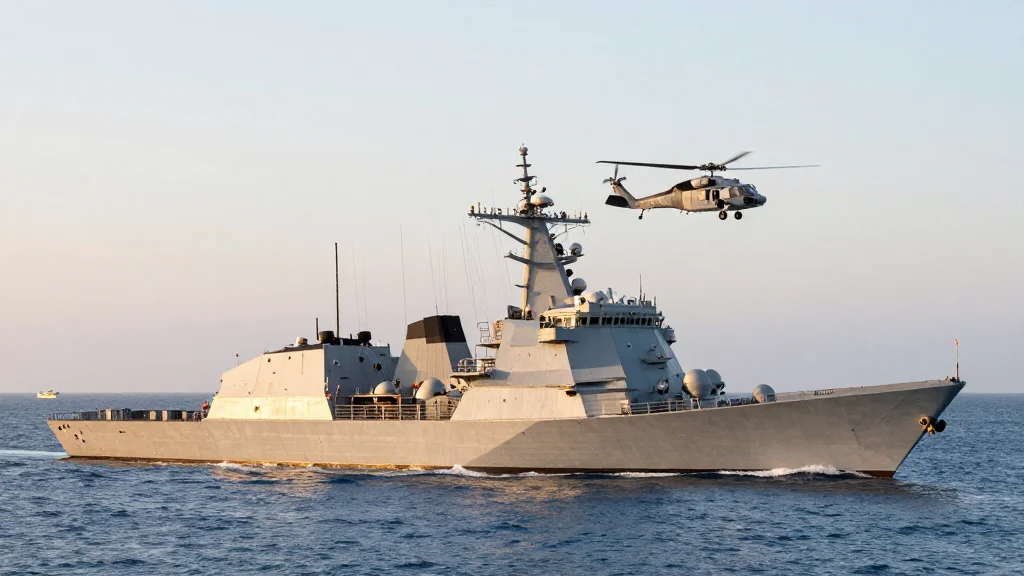
US Denies Iranian Reports of Strike on Warship, Says Ships Transit Hormuz
Why It Matters
The denial curtails escalation risk in a chokepoint that handles a fifth of global oil trade, while the U.S. show of force reassures commercial shippers and stabilizes market confidence.
Key Takeaways
- •Two U.S.-flagged merchant ships transited Hormuz despite Iranian claims
- •CENTCOM denied any U.S. warship was hit or forced to divert
- •U.S. forces destroyed six Iranian small boats using helicopters
- •President Trump launched “Project Freedom” to escort stranded vessels
Pulse Analysis
The Strait of Hormuz remains one of the world’s most volatile maritime corridors, funneling roughly 20% of global petroleum shipments. Recent Iranian statements alleging a strike on a U.S. warship have heightened diplomatic tension, echoing past confrontations that have threatened to disrupt the flow of energy commodities. Analysts note that even unverified claims can trigger price spikes in crude markets, underscoring the strategic sensitivity of any incident in the narrow passage between Iran and Oman.
In response, U.S. Central Command swiftly denied any damage to its naval assets and highlighted operational successes, including the destruction of six Iranian fast‑attack boats using MH‑60 Sea Hawk and AH‑64 Apache helicopters. The publicized military advantage aims to deter further Iranian aggression and reassure international stakeholders of the United States’ commitment to securing maritime trade routes. Simultaneously, President Trump’s rollout of “Project Freedom” positions the U.S. as a humanitarian facilitator, offering escort services for vessels stranded amid the heightened threat environment.
The combined messaging—denial of a successful Iranian attack, demonstrable kinetic action, and a humanitarian escort initiative—serves to stabilize shipping confidence and mitigate market volatility. For global traders, the assurance that commercial vessels can transit Hormuz without interruption is critical to maintaining supply chain continuity. Looking ahead, sustained U.S. naval presence and diplomatic engagement will be pivotal in preventing the Strait from becoming a flashpoint that could reverberate across energy markets and broader geopolitical dynamics.
US denies Iranian reports of strike on warship, says ships transit Hormuz
Comments
Want to join the conversation?
Loading comments...