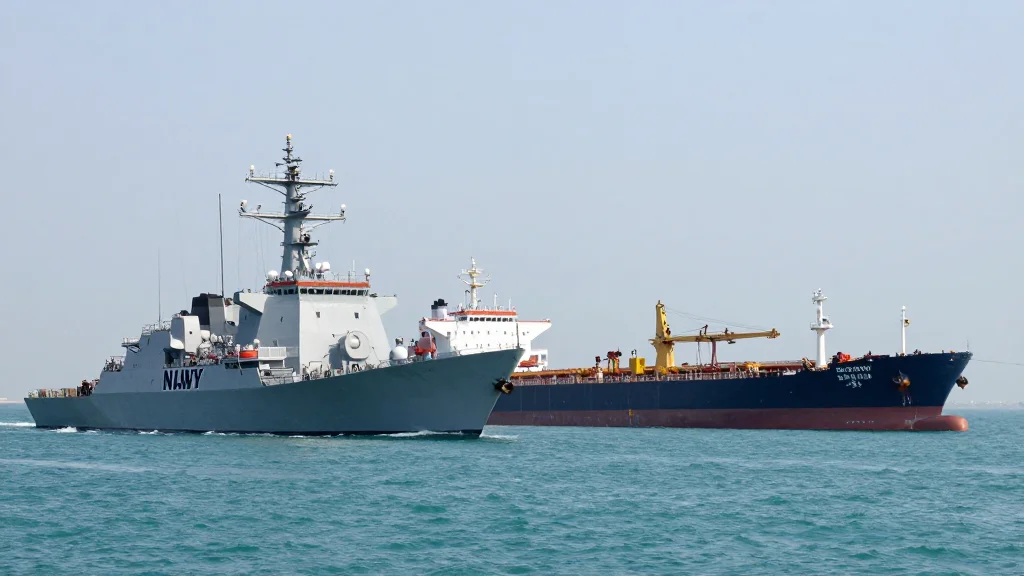
US, Iran to Allow some Hormuz Transit: Trump
Why It Matters
Reopening the strait eases a critical chokepoint for global oil flow and signals a potential de‑escalation in U.S.–Iran tensions, impacting energy markets and regional security.
Key Takeaways
- •Over 700 ships trapped after Feb 28 US‑Israel strike
- •U.S. will escort neutral vessels through Hormuz starting Monday
- •About 120 fully laden tankers remain stuck inside Gulf
- •Trump labels operation “Project Freedom,” citing humanitarian intent
Pulse Analysis
The Strait of Hormuz is a strategic maritime corridor through which roughly 21% of the world’s petroleum passes daily. Its near‑closure in early May choked a vital supply line, prompting shipping insurers to hike premiums and forcing oil refiners to reroute cargoes around the Cape of Good Hope, adding weeks and millions of dollars to logistics costs. The stranded fleet, composed of commercial tankers, dry‑bulk carriers and humanitarian vessels, highlighted how geopolitical flashpoints can quickly translate into tangible disruptions for global trade.
President Trump’s announcement frames the opening as a humanitarian gesture, branding the escort operation "Project Freedom." By securing Tehran’s consent, the U.S. aims to demonstrate diplomatic leverage while maintaining pressure on Iran to engage in broader negotiations. The move also serves a domestic political purpose, portraying the administration as decisive in easing regional tensions. However, Trump warned of retaliation if the transit is interfered with, underscoring the fragile balance between de‑escalation and the risk of renewed hostilities, especially as Iran reportedly submitted a peace proposal that the president found unsatisfactory.
Energy markets responded cautiously. Brent crude, which had spiked on concerns over Hormuz bottlenecks, steadied as investors priced in the possibility of resumed tanker flows. Shipping firms anticipate a short‑term surge in demand for escort services and a gradual normalization of freight rates. Nonetheless, the corridor remains vulnerable; any misstep could reignite restrictions, prompting renewed price volatility. Stakeholders will watch closely for further diplomatic signals from Washington and Tehran, as the next phase of negotiations could shape the Gulf’s stability for months to come.
US, Iran to allow some Hormuz transit: Trump
Comments
Want to join the conversation?
Loading comments...