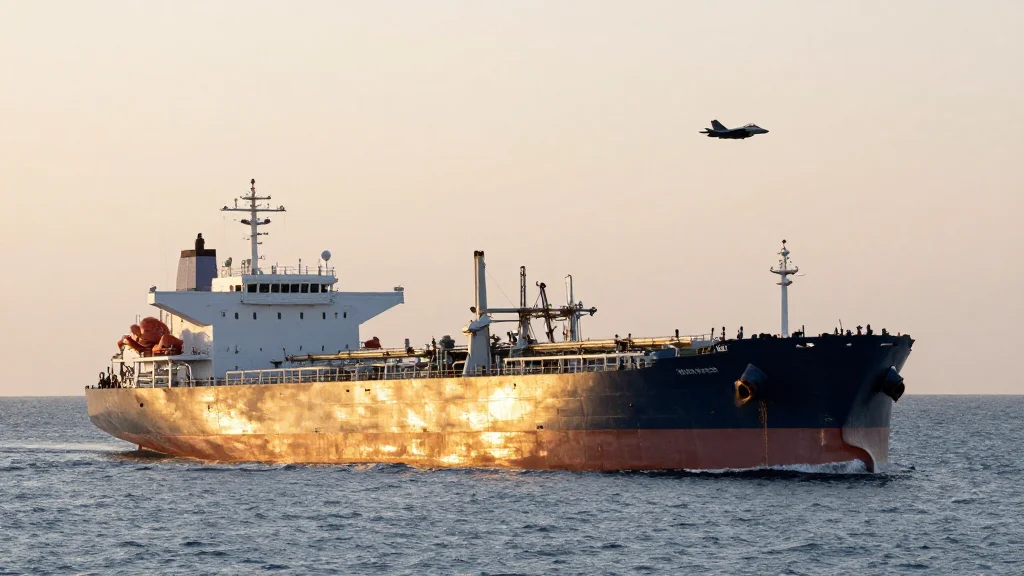
US Military Confirms Attack on Third Indian-Crewed Tanker Off Gulf of Oman
Why It Matters
The incident heightens geopolitical tension over Iran’s oil exports and underscores the risk to commercial shipping in a critical energy corridor. It also pressures India to balance crew safety with broader regional stability concerns.
Key Takeaways
- •US forces disabled third Iranian‑oil tanker in Gulf of Oman
- •Vessel flagged to Guinea‑Bissau carried 20 Indian crew, all safe
- •CENTCOM reports nine ships disabled, 135 redirected since April 13 blockade
- •India urges diplomatic solution, citing welfare of its seafarers
Pulse Analysis
The U.S. blockade of Iranian oil shipments in the Gulf of Oman reflects a strategic effort to curb Tehran’s revenue streams amid ongoing regional conflict. By targeting vessels that defy navigation orders, U.S. Central Command aims to force compliance without escalating to full‑scale naval engagement. Since the blockade’s launch in mid‑April, nine ships have been disabled and over a hundred have been redirected, creating a ripple effect on global oil logistics and prompting insurers to reassess risk premiums for routes through the Strait of Hormuz.
For India, the episode raises immediate humanitarian and diplomatic concerns. Twenty Indian nationals aboard the MT Jalveer were rescued without injury, but the incident spotlights the vulnerability of Indian seafarers operating in volatile waters. New Delhi’s Ministry of External Affairs has labeled the attacks “deeply worrisome” and urged a return to dialogue, signaling a willingness to cooperate with U.S. forces while protecting its maritime workforce. The coordinated evacuation, involving the Indian Navy and port authorities, demonstrates the country’s capacity to respond swiftly to emergent threats.
Looking ahead, the repeated disabling of commercial tankers could disrupt supply chains and elevate freight costs, especially for crude and refined products transiting the Gulf. Shipping firms may reroute vessels around the Arabian Sea, extending voyage times and increasing fuel consumption. Policymakers in the United States and allied nations must weigh the deterrent value of kinetic actions against the potential for broader escalation, while regional players like India will likely push for multilateral mechanisms that safeguard crew welfare and maintain the free flow of trade.
US military confirms attack on third Indian-crewed tanker off Gulf of Oman
Comments
Want to join the conversation?
Loading comments...