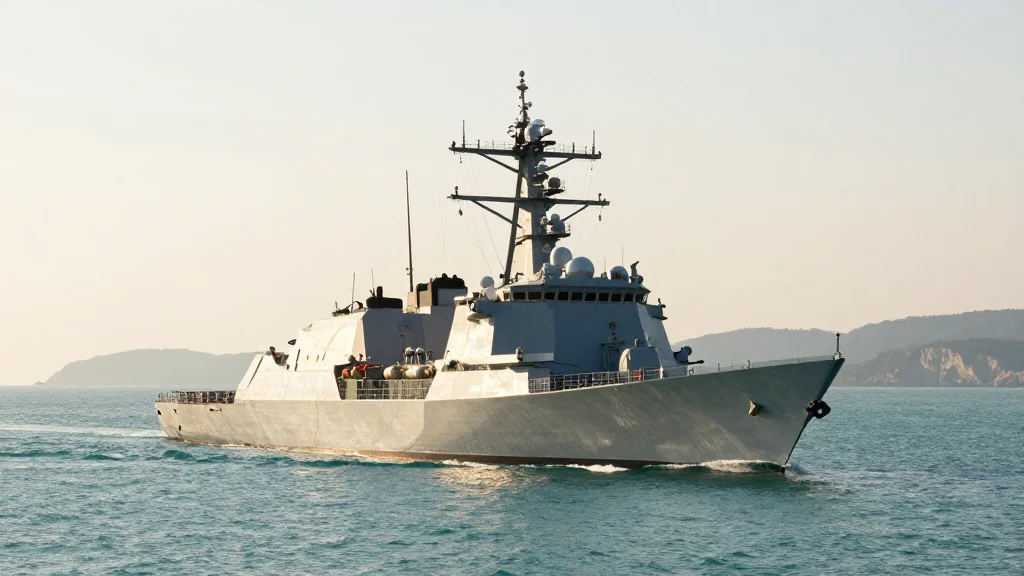
US Proposes New Coalition to Restart Traffic in Hormuz
Why It Matters
The Strait of Hormuz carries roughly 20% of global oil shipments; any prolonged closure could spike energy prices and destabilize worldwide markets.
Key Takeaways
- •US aims to form “Maritime Freedom Construct” to secure Hormuz shipping
- •Coalition would combine diplomatic pressure, intelligence sharing, and sanctions enforcement
- •Trump urges allies to join; State Dept to act as operations hub
- •Iran’s leadership vows to resist any blockade, calling US plans a defeat
- •Disruption could affect global oil flow, impacting energy prices worldwide
Pulse Analysis
The Strait of Hormuz remains a chokepoint for the world’s energy supply, funneling an estimated 21 million barrels of oil daily. Recent Iranian maneuvers—leveraging the narrow passage to extract political concessions—have reignited concerns in Washington about supply chain vulnerability. By proposing the Maritime Freedom Construct, the United States seeks to institutionalize a multilateral response that blends diplomatic outreach with real‑time maritime surveillance, echoing Cold‑War‑era collective security models but adapted for modern maritime threats.
The construct’s architecture places the State Department at the center of diplomatic coordination, while U.S. Central Command supplies continuous domain awareness through satellite and sensor networks. This dual‑track approach enables rapid sanction enforcement against vessels that defy the coalition’s directives and facilitates information sharing among participating navies. Such a framework mirrors earlier initiatives like the Combined Maritime Forces, yet it adds a focused legal and economic pressure layer aimed at compelling Tehran to negotiate without resorting to force.
Market analysts warn that any escalation could reverberate through global oil markets, pushing Brent crude above $100 per barrel and tightening credit conditions for energy‑intensive industries. Conversely, a successful coalition could restore confidence in the free flow of petroleum, stabilizing prices and reinforcing the rule‑based order in international waters. Stakeholders—from multinational oil majors to regional exporters—will be watching closely how quickly allies coalesce around the construct and whether Tehran’s hardline rhetoric translates into actionable obstruction or a diplomatic retreat.
US proposes new coalition to restart traffic in Hormuz
Comments
Want to join the conversation?
Loading comments...