US Says Navy Intercepted Iran-Linked Vessel in Arabian Sea
Why It Matters
The interception demonstrates the U.S. commitment to enforce sanctions on Iran’s shadow fleet, tightening pressure on Tehran’s revenue streams and signaling heightened maritime enforcement in a volatile region.
Key Takeaways
- •U.S. Navy intercepted the Iran-linked tanker M/V Sevan in Arabian Sea
- •Sevan is one of 19 vessels sanctioned for moving Iranian energy
- •37 ships have been redirected since the blockade began
- •The vessel complied and was escorted back toward Iran
- •Sanctions aim to pressure Tehran after Trump’s halted Pakistan talks
Pulse Analysis
The United States has intensified its maritime campaign against Iran’s so‑called shadow fleet, a network of vessels that evade detection while moving sanctioned energy commodities. By designating 19 ships, including the M/V Sevan, the Treasury aims to choke off the billions of dollars in oil and gas revenues that fund Tehran’s regional activities. This policy, revived under the Trump administration, leverages both economic pressure and naval power to compel compliance, reflecting a broader strategy of using sanctions as a tool of foreign policy.
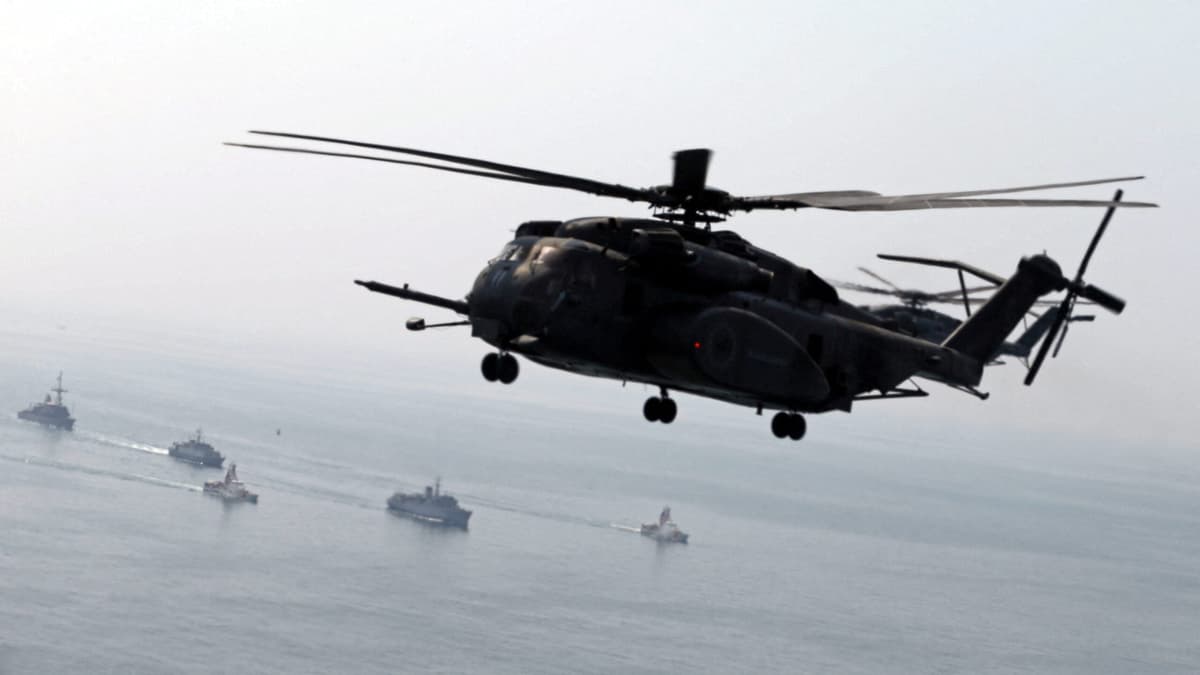
The interception of the Sevan illustrates how U.S. naval assets are translating policy into action. A Navy MH‑53E Sea Dragon helicopter located the tanker as it approached the Strait of Hormuz, a chokepoint critical to global oil flows. After receiving orders, the crew complied, allowing U.S. forces to escort the vessel back toward Iranian waters without incident. Such operations underscore the effectiveness of real‑time intelligence and the willingness to use forceful direction to enforce sanctions, sending a clear message to other operators that non‑compliance will be met with immediate interdiction.
Beyond the immediate tactical success, the seizure carries broader market and geopolitical implications. By disrupting the flow of Iranian propane, butane, and crude, the U.S. hopes to curb Tehran’s ability to fund proxy groups and negotiate from a position of strength. Energy traders monitor these developments closely, as any reduction in Iranian supply can ripple through global oil prices. Moreover, the move comes as President Trump cancelled a diplomatic trip to Pakistan, raising questions about the future of any cease‑fire talks with Iran and signaling a continued hardline stance in the Middle East.
US Says Navy Intercepted Iran-Linked Vessel in Arabian Sea
Comments
Want to join the conversation?
Loading comments...