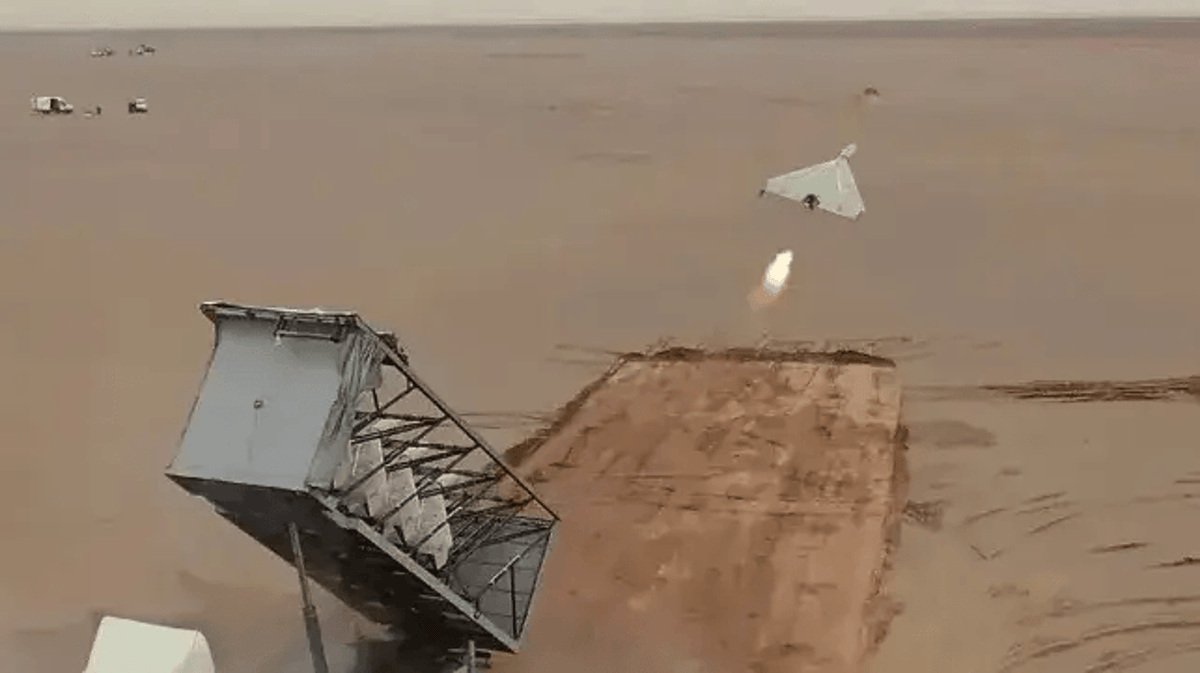
U.S. Strikes Iranian Drone Launcher After Attack on Merchant Shipping
Why It Matters
The strike highlights the fragility of the Hormuz chokepoint, a conduit for over $20 billion of daily oil trade, and signals U.S. willingness to secure shipping lanes, influencing global energy prices and maritime insurance costs.
Key Takeaways
- •U.S. destroyed Iranian drone control site near Bandar Abbas
- •Four Iranian attack drones intercepted before reaching merchant ships
- •Trump rejected joint Iranian‑Omani Hormuz control, threatened Oman
- •Treasury sanctioned Persian Gulf Strait Authority linked to IRGC
Pulse Analysis
The Strait of Hormuz remains one of the world’s most contested maritime corridors, funneling roughly a third of global oil shipments. Recent Iranian drone launches underscored the persistent threat to commercial vessels, prompting the United States to demonstrate a rapid, kinetic response. By neutralizing the ground‑control station, U.S. forces not only eliminated an immediate danger but also sent a clear deterrent signal to actors considering asymmetric attacks on critical trade routes.
Diplomatic efforts, led by Qatar and Oman, have been inching toward a longer cease‑fire agreement, yet political rhetoric from Washington adds volatility. President Trump’s outright rejection of a joint Iranian‑Omani management scheme and his public threats toward Oman raise concerns about the durability of any negotiated framework. Such statements can embolden hardliners on both sides, potentially stalling progress and increasing the risk of miscalculation in a region already fraught with proxy tensions.
The Treasury’s decision to sanction the Persian Gulf Strait Authority—a body overseen by the Islamic Revolutionary Guard Corps—further isolates Iran’s revenue streams from transit fees. By targeting the administrative layer that facilitates the “Tehran Tollbooth” route, the U.S. aims to pressure Tehran into compliance without escalating direct conflict. However, sanctions also ripple through global markets, as insurers and shippers reassess risk premiums, and oil traders adjust forward curves in anticipation of possible supply disruptions. The confluence of military action, diplomatic friction, and economic penalties underscores the complex calculus companies must navigate when operating in or near the Hormuz corridor.
U.S. Strikes Iranian Drone Launcher After Attack on Merchant Shipping
Comments
Want to join the conversation?
Loading comments...